




The King of Fruits Hits a Wall
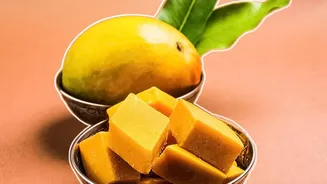
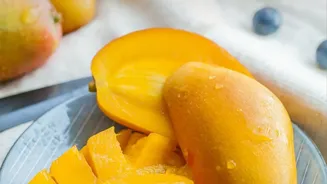
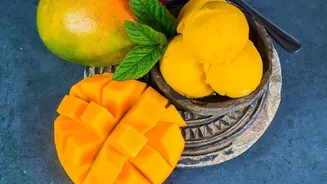
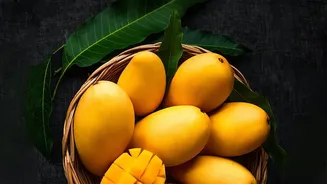
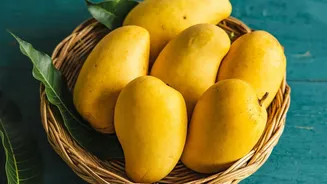
For Indians, the mango isn't just a fruit; it's a cultural icon, a symbol of summer, and a source of national pride. The Alphonso, or 'Hapus', mango, in particular, is revered as the 'King of Fruits' for its creamy texture and intense flavour. So, it was
a source of long-standing frustration that this national treasure was banned from the United States. In 1989, the US Department of Agriculture (USDA) barred the import of Indian mangoes, citing concerns over agricultural pests like fruit flies that could potentially harm American crops. For nearly two decades, this ban remained a thorny issue, a regulatory barrier that kept one of India's most prized exports out of a lucrative market.
A Presidential Seal of Approval
The diplomatic landscape began to shift in the mid-2000s as the US and India worked to forge a deeper strategic partnership. The centerpiece of this effort was a landmark civil nuclear cooperation agreement. It was during this period of intense negotiation that the mango made its grand entrance. During a visit to India in 2006, then-US President George W. Bush was served an Alphonso mango. According to reports, he was thoroughly impressed, declaring it a "hell of a fruit." This personal endorsement from the president provided a fresh impetus to resolve the long-standing trade dispute. The wheels of diplomacy, often slow and cumbersome, began to turn with a new sense of purpose.
The Great Mango-for-Motorcycle Swap
What followed was a classic example of trade reciprocity. The US wanted greater access to India's growing market for its products, particularly the iconic Harley-Davidson motorcycles, which faced high tariffs and strict emissions regulations in India. India, in turn, desperately wanted to get its mangoes into American grocery stores. A deal was struck: India would ease the rules for importing large-engine motorcycles like the Harley-Davidson, and the US would finally lift its 18-year ban on Indian mangoes. The solution to the pest concern that had started it all was a technological one: India agreed to treat the fruit with irradiation at certified facilities to ensure no unwanted pests could survive the journey. This agreement, announced in 2006 and implemented in 2007, was quickly dubbed the "mango deal."
The Sweet Taste of Success
In April 2007, the first commercial shipment of Indian mangoes since 1989 landed at JFK International Airport in New York. It was a moment celebrated on both sides. For the Indian diaspora in America, it was a taste of home that had been inaccessible for a generation. For Indian farmers and exporters, it represented a significant victory and access to a new, high-value market. The arrival of the Alphonso and Kesar varieties was hailed by American media as the "most eagerly anticipated fruit delivery ever." This wasn't just about fruit; it was a tangible symbol of a warming relationship and a new era of cooperation between the two democracies.
The Lingering Legacy of Fruitful Diplomacy
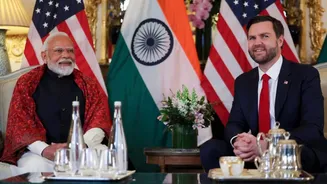
The 2007 agreement set a precedent, embedding the mango into the very language of US-India trade talks. Years later, the fruit continues to appear in bilateral statements as a symbol of the give-and-take nature of their economic relationship. While challenges in agricultural trade persist, the story of how the king of fruits helped open the door for the king of the road serves as a powerful reminder of how diplomacy works. It illustrates how cultural symbols and a bit of creative bargaining can help bridge divides and resolve seemingly intractable disputes. The 'mango diplomacy' chapter showed that even in the high-stakes world of geopolitics, sometimes the sweetest path forward is the most direct one.