







A Homecoming a Century in the Making
The hills and forests of Barda, located about 100 kilometres from the famous Gir National Park, are wild and rugged. Historically, they were part of the Asiatic lion's natural territory, but the last lion was recorded here in 1879, a victim of widespread
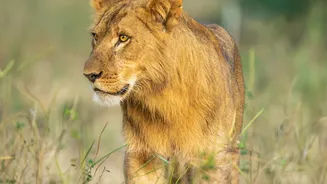
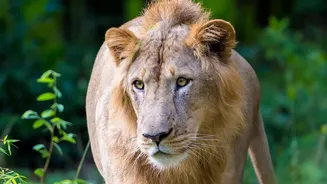
hunting that decimated populations across the country. For nearly a century and a half, the landscape remained silent. That silence was broken in January 2023, when a lone male lion naturally dispersed from the Gir landscape and walked into Barda, reclaiming ancestral ground. This pioneering journey prompted the Gujarat Forest Department to act. In a carefully managed operation, they translocated five lionesses to join the male, establishing the foundation of a new pride. By 2025, the sanctuary was home to a growing population of 17 lions, including 11 cubs born in their new home.
Why Barda? Creating a Genetic Insurance Policy
For decades, the entire world's wild population of Asiatic lions—now numbering over 800—was confined to a single landscape in and around Gir National Park. While a monumental conservation success, this concentration posed a grave risk. A single disease outbreak, like the canine distemper virus that killed 28 lions in 2018, or a natural disaster could have been catastrophic for the species. Experts have long advocated for establishing a second, geographically separate population to act as a crucial 'insurance policy'. Barda Wildlife Sanctuary was identified as the ideal candidate. Its 192 square kilometre area of dry deciduous forests and grasslands offers suitable habitat and ecological conditions to support a long-term lion population. Before the lions' arrival, years were spent preparing the sanctuary by restoring the habitat and augmenting the prey base, including reintroducing spotted deer and sambar to ensure the big cats would have enough to eat.
The Vision of Project Lion
This historic reintroduction is a cornerstone of 'Project Lion', a comprehensive conservation initiative launched by the Government of India. The project aims not only to protect the existing lion population but also to manage their expanding territory and secure new habitats. Barda has been officially designated as the first fully protected satellite lion habitat in Gujarat under this programme. Researchers are closely monitoring the new Barda population, using radio collars to study their movements, habitat preferences, and social structures. Early findings published in the journal PLOS One confirm that the lions are adapting well, relying primarily on wild prey like wild pigs. This research provides vital data to ensure the long-term success of this new stronghold and mitigate potential human-wildlife conflict as the population grows.
A New Chapter for an Old Kingdom
The successful establishment of lions in Barda is more than just a scientific achievement; it is a moment of national pride. Once brought to the brink of extinction with fewer than 50 individuals in the early 20th century, the recovery of the Asiatic lion is one of the world's greatest wildlife comeback stories. The return to Barda marks the next chapter, diversifying the lion's range and strengthening its future. It demonstrates how decades of dedicated conservation efforts, habitat restoration, and scientific planning can reverse historical losses. The lions of Barda are not just reclaiming old territory; they are securing a new foothold for their entire species, ensuring that their roar will echo through the forests of Gujarat for generations to come.