

A Season of Renewed Clarity
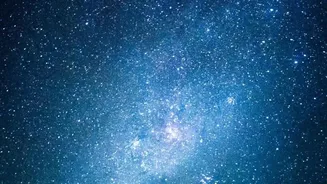
One of the biggest reasons September is a stellar month for stargazing is the weather itself. Across much of India, the end of the monsoon season washes the atmosphere clean of dust and pollutants. This post-monsoon clarity, combined with dropping humidity,
results in a more transparent and stable sky. Cooler air holds less moisture, which means stars appear sharper and brighter because there are fewer water vapor particles to scatter their light. Furthermore, the nights begin to draw in earlier, meaning you don’t have to stay up past midnight to enjoy a truly dark sky, making it a perfect family-friendly activity.
A Quiet Shower of Shooting Stars
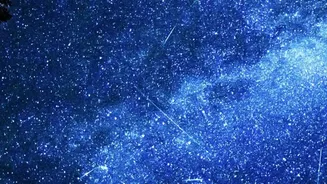
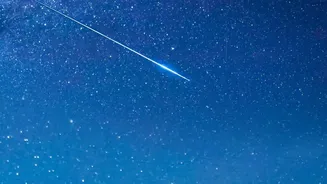
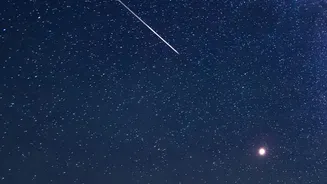
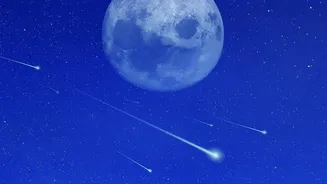
While it may not have the fame of the August Perseids, September hosts its own celestial show: the Epsilon Perseid meteor shower. This year, the shower is expected to peak around September 9. What makes 2026 special is that this peak coincides with the days just before the New Moon on September 11. This means the sky will be exceptionally dark, free from the glare of moonlight that often washes out fainter meteors. While the Epsilon Perseids are a minor shower, producing around five to eight meteors per hour, the ideal dark-sky conditions significantly boost your chances of catching these fast-moving streaks of light. For the best view, look towards the constellation Perseus after midnight.
A Parade of Planets to Behold
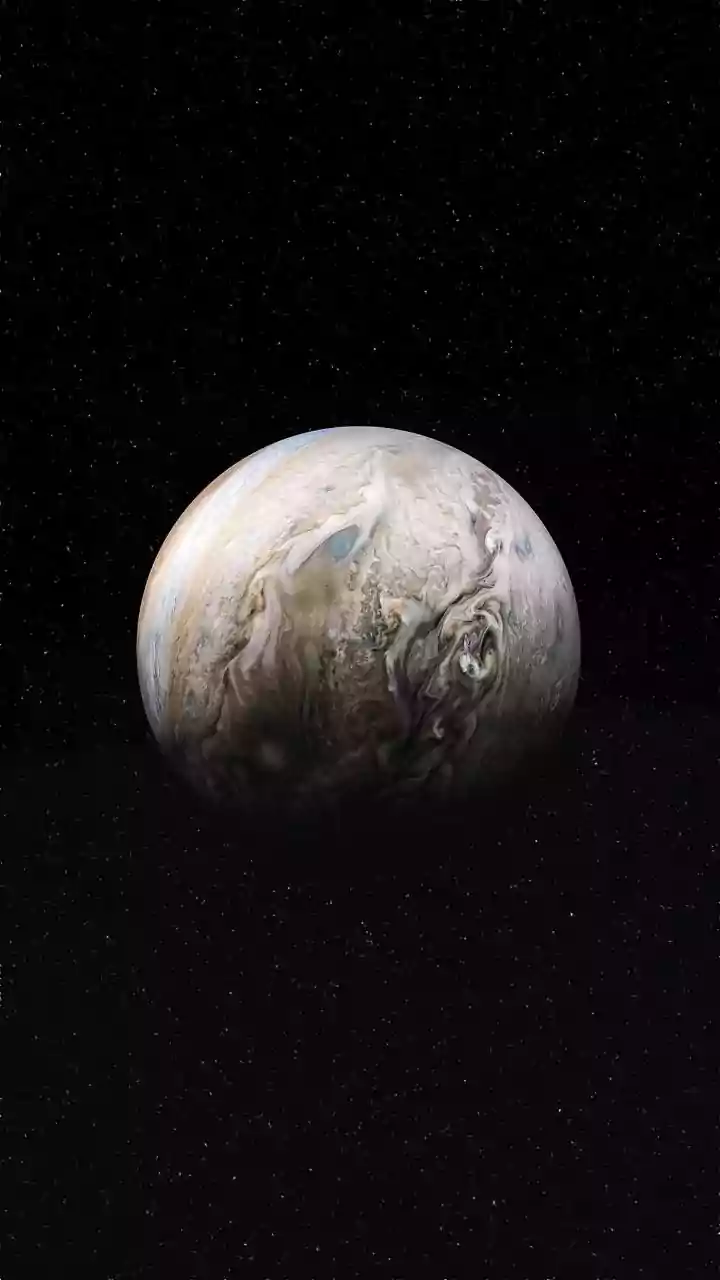
September 2026 offers a spectacular lineup of planets. Venus, the dazzling 'Evening Star,' will be unmissably bright in the western sky just after sunset, reaching its peak brilliance for the year on September 18. For those willing to wake up early, the pre-dawn eastern sky will be dominated by the very bright Jupiter. On the morning of September 8, a thin crescent Moon will appear very close to Jupiter, creating a stunning celestial pairing. Reddish Mars will also be visible nearby in the hours before dawn. Meanwhile, Saturn rises in the east shortly after sunset and will be visible for most of the night. On September 26, the Full Moon will rise with Saturn appearing nearby, offering another beautiful sight.
The Autumnal Equinox Turning Point
The autumnal equinox, falling on September 22 or 23 depending on your time zone, marks the official start of autumn in the Northern Hemisphere. On this day, the Sun crosses the celestial equator, and for a brief moment, day and night are of nearly equal length across the globe. For stargazers, this is more than just a calendar date. It signals the transition from the bright stars of the summer Milky Way, still visible in the early evening, to the ascending constellations of autumn like Pegasus and Cassiopeia. This celestial handover provides a unique opportunity to straddle two cosmic seasons in a single night's viewing.
Deep Sky Treasures in Dark Skies
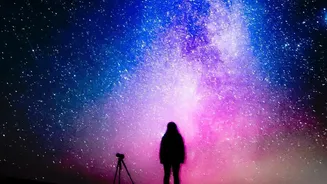
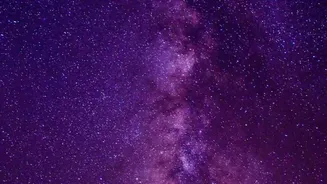
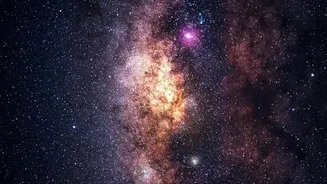
The dark, moonless nights around the New Moon on September 11 are not just for meteor spotting. They provide the perfect canvas to hunt for fainter, deep-sky objects. With the bright core of the Milky Way still visible towards the south after sunset, and away from city lights, you can glimpse its hazy, star-filled band. This is also the best time of the month to try and spot the Andromeda Galaxy, the most distant object visible to the naked eye. Look for a faint, fuzzy patch of light in the constellation Andromeda, which rises higher in the east as the night progresses. Binoculars will make this neighboring galaxy, over 2.5 million light-years away, much easier to find and appreciate.