





The Scale of the Problem at Home
It’s a paradox: while millions face food insecurity, a staggering amount of food is wasted. According to the UN Environment Programme's Food Waste Index Report, Indian households waste an estimated 78.2 million tonnes of food annually. This works out
to about 55 kg of food wasted per person every year. This isn't just about the food that is lost in transport or on farms; a significant portion of this waste happens right inside our homes after we’ve purchased the groceries. The good news is that this is the part of the problem we have the most control over. Simple habits, starting with planning before you shop, can lead to a major reduction in waste.
Step 1: Create a Weekly Meal Plan
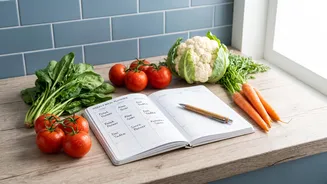
The foundation of reducing food waste is knowing what you are going to eat. Before you even think about a shopping list, take 30 minutes to plan your meals for the upcoming week. Think about breakfast, lunch, and dinner. Be realistic—if you know Tuesdays are busy, plan a quick meal. Involving the family can make this process more enjoyable and ensure everyone has a meal they look forward to. This simple act of planning prevents the last-minute stress of figuring out 'what's for dinner' and makes you a more intentional shopper.
Step 2: Shop Your Pantry First
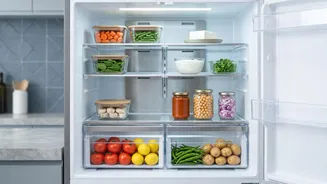
Before you write your grocery list, take a full inventory of your kitchen. Check your refrigerator, freezer, and pantry shelves. What vegetables need to be used up? What dals or grains do you already have in stock? Planning your meals around ingredients you already possess is one of the most effective ways to prevent food from expiring and being thrown away. This habit not only reduces waste but also significantly cuts down your grocery bill by preventing you from buying duplicates.
Step 3: Make a Smart Shopping List—and Stick to It
Once you have your meal plan and have checked your existing stock, create a detailed shopping list. This is your most important tool at the grocery store. A list keeps you focused and helps you avoid impulse buys, which are a major contributor to household waste. Supermarkets are designed to encourage you to buy more than you need, but a list empowers you to buy only what you will actually use. Following your list might seem rigid at first, but it is the key to aligning your purchasing with your actual needs.
Creative Ways to Use Leftovers
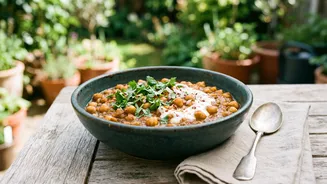
Even with the best planning, leftovers happen. The trick is to see them not as a burden, but as an opportunity for a new meal. This is where Indian cooking truly shines. Leftover dal can be kneaded into dough for flavourful parathas. Extra rice can be quickly transformed into lemon rice or a tasty fried rice. A mix of leftover sabzis can become a delicious filling for a sandwich or a wrap. Thinking creatively about leftovers ensures that the food you’ve spent time and money on gets eaten instead of discarded.
The Many Benefits of Meal Planning
The rewards of meal planning extend far beyond just reducing waste. By planning ahead, you save a significant amount of money on groceries and takeout. It also saves you precious time during busy weeknights and reduces the daily stress of mealtime decisions. Furthermore, planned meals are often healthier, as they tend to involve more fruits, vegetables, and home-cooked food. You gain control over ingredients, allowing you to manage salt, sugar, and fat content to suit your family's health needs. It is a simple habit that offers a powerful return in savings, health, and peace of mind.