







The El Niño Effect: More Than a Simple Threat
El Niño, a periodic warming of the sea surface in the central and eastern equatorial Pacific Ocean, has a well-earned reputation. By altering global atmospheric circulation, it can disrupt weather patterns worldwide. For India, this often means a weaker
monsoon, as the phenomenon can suppress the formation of rain-bearing clouds. Forecasts for late 2026 indicate a strong El Niño is developing, which historically correlates with drier-than-normal conditions over the subcontinent. However, this connection is not a guarantee of drought. Several El Niño years have seen normal rainfall in India, proving that other powerful forces are at play closer to home.
The Indian Ocean's Decisive Role
While El Niño unfolds thousands of kilometres away, the Indian Ocean has its own climate pattern with a more direct impact on the monsoon: the Indian Ocean Dipole (IOD). The IOD is the difference in sea surface temperatures between the western and eastern parts of the Indian Ocean. A 'positive' IOD, with warmer waters in the Arabian Sea, can significantly boost monsoon rains over India by increasing moisture and favouring rainfall. A positive IOD can often act as a saviour, countering the negative effects of an El Niño. Forecasts for the latter half of 2026 suggest a positive IOD is likely to develop, which could help mitigate the impacts of the strong El Niño. This dynamic interplay explains why an El Niño year doesn't automatically spell disaster.
Not Just How Much, But Where and When
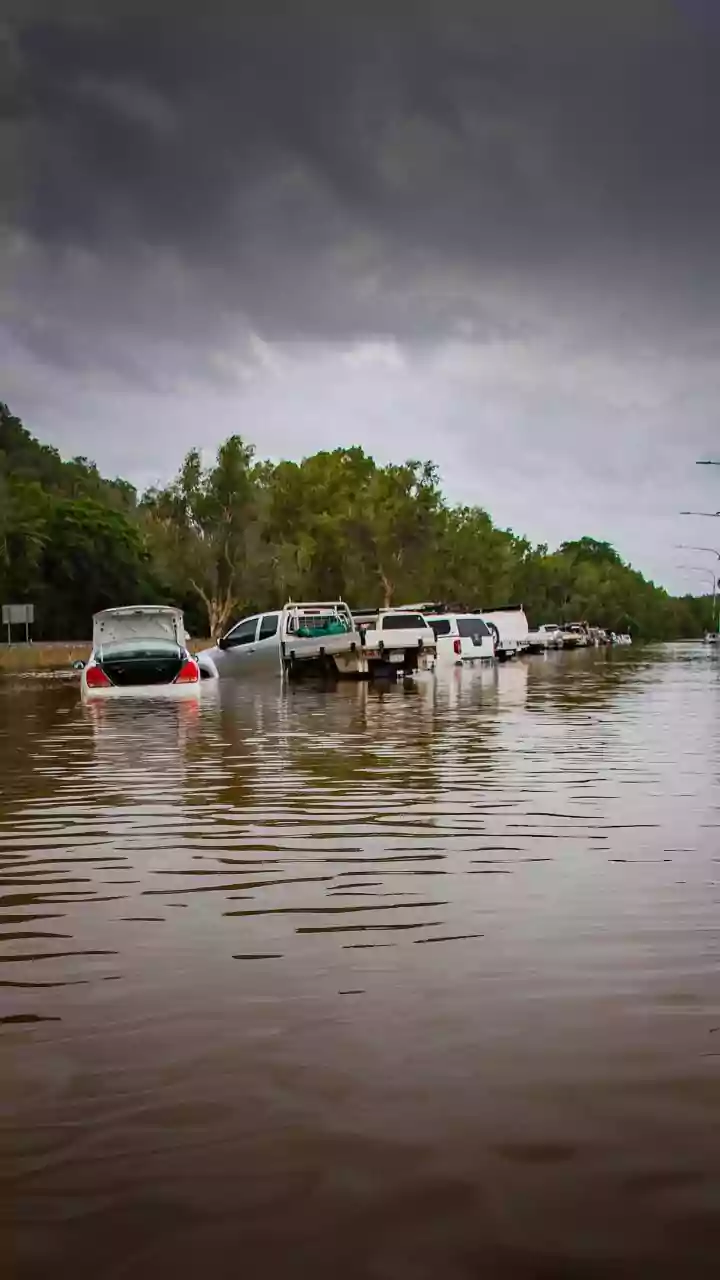
Beyond the big climate drivers, the ultimate success of the monsoon hinges on distribution. A 'normal' nationwide rainfall average can be dangerously misleading. It can mask severe deficits in some agricultural heartlands while other areas experience floods. For farmers, an even spread of rain throughout the season is far more critical than the total volume. Crops require moisture at specific growth stages. A month-long dry spell in July, even if compensated by heavy rains in August, can devastate newly sown crops like rice, soybeans, and cotton. This unevenness, with intense rainfall in some parts and deficits in others, is a major challenge for Indian agriculture, affecting everything from crop yields to food prices.
Why Crop Sowing and Timing Are Everything
The Kharif or monsoon cropping season is a race against time. Sowing for major crops like rice, maize, and soybean typically begins in June and July, perfectly timed to coincide with the monsoon's arrival. Any significant delay in the onset of rains pushes back the entire agricultural calendar. If rains fail during these critical early weeks, seeds may not germinate properly. Even if rainfall picks up later, the delayed crop may have a shorter growing period, making it vulnerable to pests and reducing its final yield. This delicate dependency on timely rain is precisely why farmers watch the skies with such anticipation. A two-week delay can be the difference between a bumper harvest and a season of struggle.