






Why Seasonal Is Cheaper
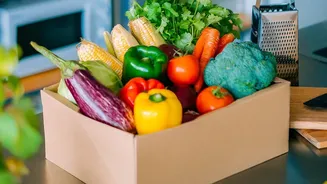
The logic is simple: when a vegetable is in season, it's at the peak of its supply. Farmers have an abundant harvest, and this availability drives down prices at your local mandi and grocery store. By contrast, buying produce out of season means you're
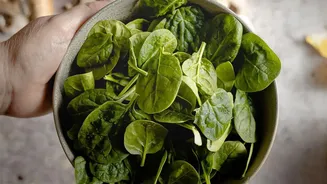
paying for storage, transportation, and the extra resources needed to grow it in controlled conditions. For Indian households, eating seasonally isn't a new trend; it's a return to traditional wisdom. In October, as the monsoon retreats and a cooler climate arrives, look for vegetables like cauliflower, spinach, carrots, radish, and pumpkin. These are not only cheaper but also fresher and packed with more nutrients.
The Sunday Planning Ritual
The single most effective way to control your food budget is to plan your meals. Dedicate 30 minutes every Sunday to map out your family's breakfasts, lunches, and dinners for the week. This simple habit prevents last-minute panic and impulse purchases, which are major budget-breakers. Start by checking what you already have in your pantry and fridge. Then, build your meals around seasonal vegetables and staples like dal, rice, and atta. A good structure to follow is planning around flexible templates, such as 'dal + sabzi + roti' or 'one-pot meal + salad'. This creates a rhythm without being overly rigid, allowing you to swap ingredients based on what's freshest and most affordable that week.
A Sample Week's Rota
Putting the plan on paper makes it real. Here’s what a few days could look like: Monday: Start simple with vegetable poha for breakfast, rotis with aloo gobi for lunch, and a comforting dal-rice for dinner. Tuesday: Introduce more protein with besan chilla for breakfast. For lunch, use seasonal spinach to make palak paneer with rotis. Keep dinner light with a vegetable khichdi and curd. Wednesday: A breakfast of stuffed parathas with yoghurt is filling. Lunch can be rajma with roti, and for dinner, a simple masoor dal with rice and a cucumber salad balances the day. The goal isn't to cook a brand-new feast daily, but to create a flow of nutritious, easy-to-prepare meals.
Shop Smart, Save More
Where you shop matters as much as what you buy. Local sabzi mandis or weekly farmer's markets are often significantly cheaper than supermarkets for fresh produce. You also get to buy loose items instead of pre-packaged ones, which are almost always more expensive and less fresh. When it comes to staples like rice, dal, and flour, buying in bulk can offer considerable savings, often 10-15% less than buying small packets repeatedly. However, only buy non-perishable items in bulk to avoid waste. And a golden rule of grocery shopping: never shop when you're hungry. An empty stomach often leads to a cart full of unnecessary snacks and impulse buys.
Cook Once, Repurpose Twice
Smart cooking is about making your time and ingredients stretch further. Batch cooking is a powerful tool. You can cook a large pot of a base dal or chana masala over the weekend and use it for different meals during the week. Leftovers are not a sign of failure; they are a resource. Yesterday's dry sabzi can become the filling for today's parathas or sandwiches. A simple vegetable stir-fry can be mixed with rice to create a quick fried rice or pulao for the next day's lunchbox. This approach not only saves money by reducing food waste but also cuts down on your daily cooking time, a precious commodity in any busy household.