





Ancient Wisdom for Modern Problems
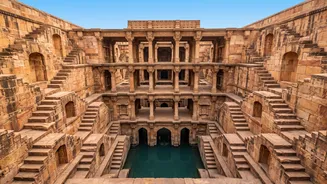
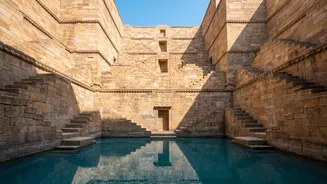
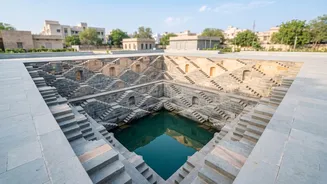
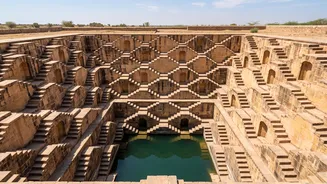
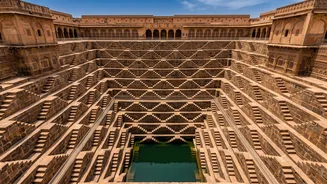
Stepwells, known as 'baolis' or 'vavs', are intricate subterranean structures that were engineered centuries ago, primarily in the arid and semi-arid regions of India. Built between the 7th and 19th centuries, these were not just wells; they were marvels
of hydrogeological science. Their design, featuring a series of steps descending to a water source, was a dynamic response to fluctuating water tables, ensuring year-round access. Beyond their utilitarian purpose, stepwells were vital community hubs, offering cool refuge from the summer heat and serving as spaces for social and religious gatherings. This ancient wisdom, which mastered environmental balance and water conservation long before it became a global concern, holds profound lessons for today's urban planners.
The Urban Water Paradox
Modern Indian cities are trapped in a frustrating paradox. They grapple with acute water shortages, forcing a reliance on expensive and energy-intensive tanker services and piped systems, while also suffering from severe urban flooding during the monsoon season. The primary culprit is rapid, unplanned urbanisation. Concrete and asphalt have replaced porous soil, preventing rainwater from seeping naturally into the ground. This creates immense surface runoff that overwhelms drainage systems. Simultaneously, the relentless extraction of groundwater to meet the needs of a growing population has caused water tables to plummet, pushing many cities toward a 'Day Zero' crisis.
How Restoration Works as a Solution
Restoring a stepwell is far more than an act of historical preservation; it is a strategic environmental intervention. The process begins with the intensive work of removing decades of accumulated silt, garbage, and debris, which often amounts to thousands of tonnes. Once cleaned and desilted, the stepwell's original function is revived. It acts as a massive, decentralised rainwater harvesting system. Instead of flooding streets, monsoon runoff is channelled into the stepwell. This captured water then slowly percolates through the earth, recharging the underground aquifers. This dual-action approach mitigates flooding while simultaneously replenishing the very groundwater reserves that cities have over-exploited.
Success Stories from the Ground
Across India, successful restoration projects are demonstrating the tangible benefits of this approach. In Hyderabad, the revitalisation of the 17th-century Bansilalpet stepwell involved removing nearly 3,000 tonnes of debris. Once a forgotten dump yard, it now maintains significant water levels even in peak summer and has been transformed into a vibrant cultural precinct. Similarly, restoration efforts in Delhi on sites like Rajon ki Baoli, and in cities across Rajasthan and Gujarat, have shown measurable increases in local water tables. In Pune and Satara, restored stepwells are reportedly supplying water to thousands of people, reducing their dependency on tankers. These projects serve as powerful templates for integrating heritage structures into functional urban infrastructure.
Beyond Water: Community and Climate Resilience
The benefits of stepwell restoration extend well beyond hydrology. Reviving these structures creates cool microclimates in dense urban jungles, acting as natural air conditioners and reducing the urban heat island effect. They become valuable public spaces, hosting cafes, galleries, and community events that strengthen social bonds. From a climate action perspective, stepwells represent a low-carbon, nature-based solution. They enhance climate resilience by creating water buffers for drought cycles and mitigating floods. This holistic approach fosters community ownership and reconnects residents with their heritage and natural resources.
The Challenges Ahead
Despite the clear advantages, reviving India's thousands of neglected stepwells is not without obstacles. Many sites are encroached upon, used as dumping grounds, or have suffered severe structural degradation. Ownership disputes, a lack of historical records, and funding constraints can complicate restoration efforts. A successful revival requires a multi-stakeholder approach involving government agencies, conservation architects, hydrogeologists, and local communities. Furthermore, stepwells are not a standalone replacement for modern systems but a supplementary layer that builds resilience. Their success depends on being integrated into a wider ecosystem of water management that includes protecting catchment areas and regulating groundwater extraction.