





The Soul of Korean Flavour
At its heart, gochujang is a cornerstone of Korean cooking. This thick, crimson paste is a fermented condiment made from red chili powder (gochugaru), glutinous rice, fermented soybean powder (meju), and salt. The fermentation process, which traditionally
took place over years in earthenware pots, is what gives gochujang its signature complexity. It transforms the starches from the rice into sugar, creating a subtle sweetness that masterfully balances the salt from the soybeans and the building heat from the chillies. The result isn't just a simple hot sauce; it’s an umami-packed ingredient that adds incredible depth, a savoury foundation, and a satisfying warmth to countless dishes. Think of it less as a finishing sauce and more as a powerful flavour base used in everything from stews like jjigae to marinades for grilled meats and the iconic sauce for tteokbokki (spicy rice cakes).
A Perfect Canvas for a Bold Glaze
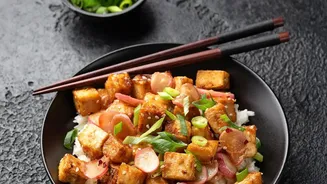
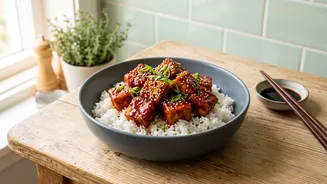
So, why does this wonder paste work so brilliantly with tofu? Tofu, with its mild flavour and porous nature, is the perfect vehicle for a sauce as assertive as one made with gochujang. When pressed and then pan-fried or baked, tofu develops a delightfully crispy exterior and a firm, chewy interior. Those crispy edges are perfect for soaking up a sticky glaze. A simple gochujang sauce for tofu might be thinned with a bit of water and balanced with soy sauce for saltiness, maple syrup or honey for sweetness, and rice vinegar for a touch of acidity. When this glaze hits the hot pan with the crispy tofu, it thickens into a glossy, sticky coating that clings to every piece, ensuring each bite is packed with flavour.
Building the Inspired Bowl
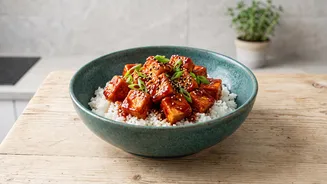
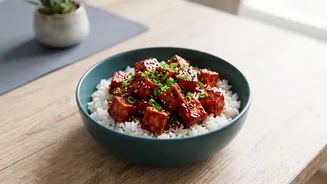
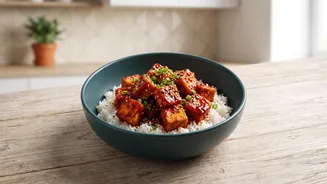
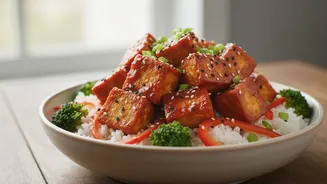
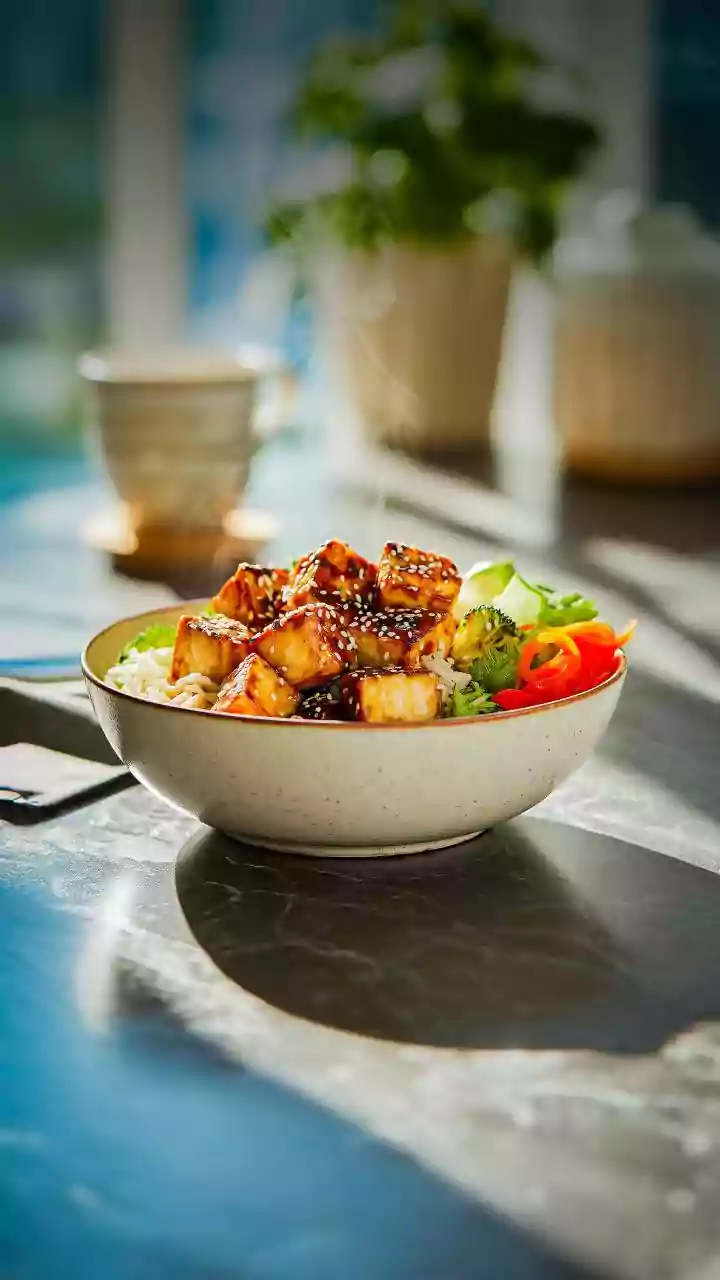
The beauty of the gochujang tofu rice bowl lies in its satisfying simplicity and customisable nature. It starts with a bed of fluffy steamed rice, which provides a neutral base for the star of the show: the saucy tofu. From there, it’s all about creating balance with fresh, complementary toppings. Cool, crisp elements like smashed cucumber salad, quick-pickled carrots, or fresh edamame beans offer a refreshing contrast to the tofu's warmth and spice. Adding some wilted spinach or steamed broccoli introduces another layer of texture and nutrition. A final sprinkle of toasted sesame seeds and thinly sliced spring onions adds a nutty aroma and a final, fresh kick. The result is a complete, well-rounded meal in a single bowl that hits all the right notes: spicy, sweet, savoury, fresh, and crunchy.
The Beauty of 'Korean-Inspired'
This is where the second part of the headline comes into play. While this bowl uses a quintessential Korean ingredient, it’s best described as “Korean-inspired.” You might not find this exact preparation in a traditional restaurant in Seoul. But that doesn’t diminish its deliciousness or its validity. The term “authentic” can be rigid, often ignoring the natural evolution of food as it travels across borders and into new kitchens. Culinary traditions are not static; they adapt based on available ingredients and local palates. A dish being “inspired” by a cuisine is a celebration of that culture’s flavours. It shows how a foundational ingredient like gochujang is so compelling that people around the world want to incorporate it into their own cooking. Respecting a cuisine means understanding and honouring its roots, which includes acknowledging traditional dishes like bibimbap or jeyuk bokkeum (spicy pork stir-fry). It also means appreciating the new and creative ways its flavours are being enjoyed globally.
Make It Your Own
Embracing the “inspired” nature of this dish gives you the freedom to experiment. Once you understand the flavour profile of gochujang, you can adjust the sauce to your liking. If you prefer it sweeter, add a little more honey or maple syrup. For more umami, a bit more soy sauce will do the trick. You can swap the tofu for chicken or prawns, or keep it plant-based with chickpeas. The vegetables are entirely up to you—whatever is fresh and in season will work wonderfully. This approach is the essence of home cooking: taking a flavour you love and making it work for you. It’s a delicious entry point into the wider world of Korean cooking, encouraging you to explore an ingredient that has captivated chefs and home cooks for centuries.