







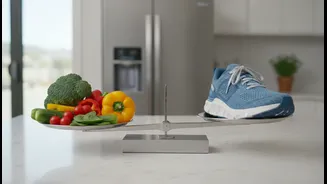

The Hidden Message of a 'Diet-Only' Drawer
When the only options available are low-calorie, low-fat, or sugar-free, it subtly promotes diet culture in the workplace. This can be problematic and even harmful. It can create an environment of judgment around food choices and may be triggering for
individuals with a history of disordered eating or a complicated relationship with food. An office should be a place of psychological safety, and that extends to the breakroom. Constantly being surrounded by foods labeled for weight loss can create pressure and anxiety, which is the opposite of what a good snack break should achieve. Instead of fostering well-being, a restrictive snack selection can inadvertently communicate that only certain bodies and eating styles are acceptable, undermining inclusivity.
Fuel for Thought: More Than Just Calories
True workplace productivity isn't fueled by calorie restriction; it's powered by sustained energy. Many 'diet' products achieve low-calorie counts by using artificial sweeteners or removing fats and carbohydrates that our brains and bodies need to function optimally. A snack's purpose is to bridge the gap between meals, stabilize blood sugar, and maintain focus. A balanced snack containing a mix of protein, healthy fats, and complex carbohydrates does this far more effectively than a product designed simply to be low in calories. Options like nuts, seeds, yogurt, and whole fruits provide the nutrients necessary for mental clarity and prevent the energy crashes often associated with sugary or highly processed snacks. A drawer full of unsatisfying diet snacks can lead to employees feeling hungry, irritable, and less focused, ultimately hurting the very productivity the snacks were meant to support.
Fostering Food Inclusivity and Respect
A modern workplace is diverse, and so are its dietary needs and preferences. Employees may have allergies, be diabetic, follow a vegan diet, or simply have different cultural or personal food preferences. Others might be training for an athletic event and need more substantial, energy-dense options. A snack drawer stocked only with one type of product—even if it's 'healthy'—fails to cater to this diversity. Providing a variety of choices shows respect for individual needs and promotes an inclusive culture. It signals that the company cares for the well-being of all its employees, not just those who fit a particular mould. An inclusive approach considers different dietary requirements like gluten-free, nut-free, and dairy-free options alongside more conventional choices.
The Art of the Balanced Snack Drawer
So, what does a better snack drawer look like? It’s all about balance and variety. The goal isn't to ban diet products but to integrate them into a wider array of choices. Aim for a mix that covers different needs and tastes. Include protein-rich items like jerky, cheese sticks, or roasted chickpeas. Offer whole-grain crackers, pretzels, and popcorn for complex carbs. Fresh and dried fruits provide natural sweetness and fiber. Nuts and seed mixes offer healthy fats and satiety. Having a combination of sweet, savory, crunchy, and soft textures ensures there's something for every craving. This approach moves away from a restrictive mindset and towards one of abundance and mindful choice, empowering employees to pick what their body needs at that moment.
Making It a Team Effort
The best way to ensure the snack supply meets everyone's needs is to involve the team. Instead of one person making all the decisions, create a simple system for feedback and requests. This could be a suggestion box, a shared digital document, or a quick poll. Not only does this guarantee a more popular and effective snack selection, but it also boosts morale by making employees feel heard and valued. This collaborative approach turns the simple act of stocking snacks into a community-building exercise. It reinforces a culture of mutual respect and care, demonstrating that the company trusts its employees to make choices that are right for them. A well-stocked, inclusive snack drawer is a small but powerful investment in your team's health, happiness, and engagement.