






An Unexpected Workout
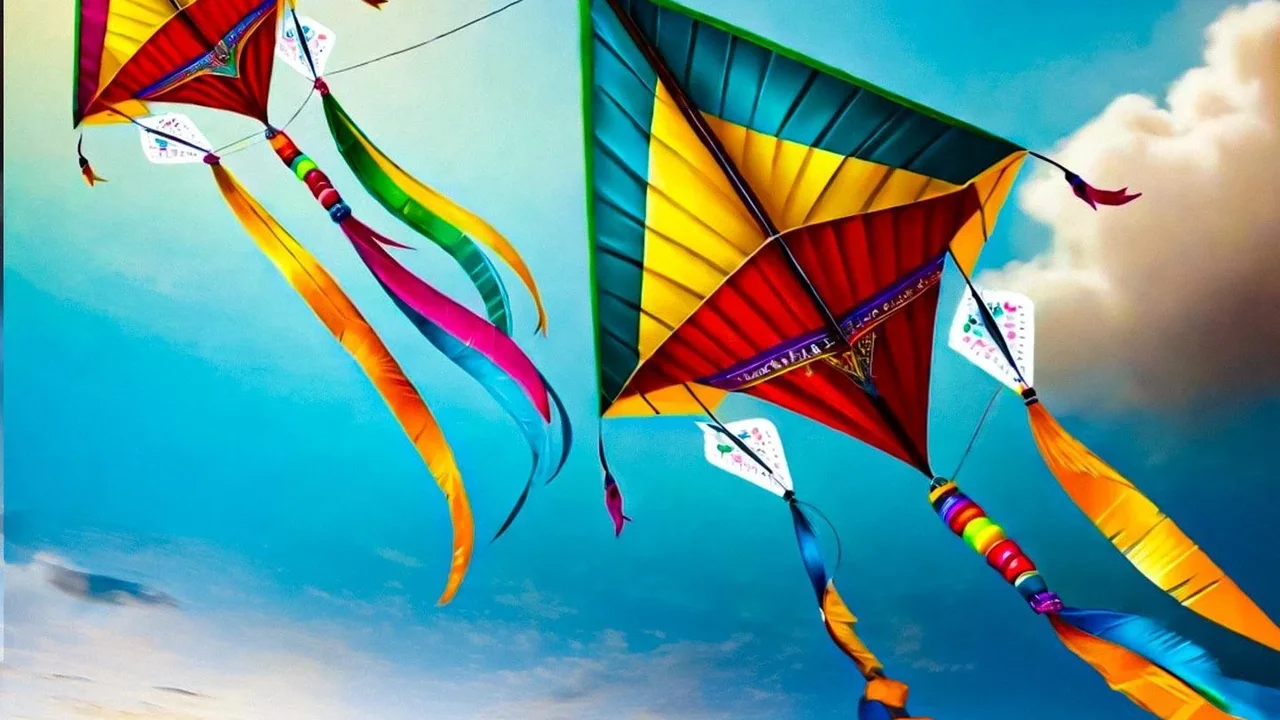
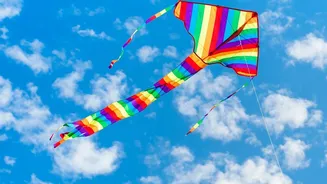
We often think of kite flying as a stationary activity, a simple act of holding a string while the wind does all the work. The reality, however, is far more active. From running to get the kite airborne to the constant adjustments needed to keep it soaring,
kite flying is a form of low-impact exercise. It engages the body in subtle but significant ways, turning a day of leisure into an opportunity for light physical activity. Walking across a field or rooftop, pulling against the tension of the wind, and even the occasional sprint to launch the kite can increase your heart rate and get your muscles working. It's a workout that doesn't feel like one, blending seamlessly with the joy of the activity.
The Physical Payoffs
The physical benefits of kite flying are surprisingly diverse. The simple act of holding the line and maneuvering the kite provides a solid workout for the upper body, strengthening the arms, shoulders, and core muscles. Constantly looking up at the kite helps stretch the neck and shoulder muscles, providing a welcome counterbalance to the hours many of us spend looking down at screens. This can help improve posture and may even prevent the kind of neck strain associated with desk jobs. Furthermore, the activity enhances hand-eye coordination as you make constant, small adjustments to the string in response to the wind. Your eyes get a workout too, as they focus on a distant, moving object, which can help reduce the eye fatigue caused by staring at computers and phones.
A Boost for Mental Wellness
Beyond the physical aspects, kite flying is a powerful tool for mental and emotional well-being. The focus required to keep a kite in the air is a form of active mindfulness. By concentrating on the kite's dance in the sky, you are pulled into the present moment, allowing daily stresses and worries to fade away. Spending time outdoors, breathing fresh air, and connecting with nature has been proven to reduce stress and anxiety. The sense of accomplishment from successfully launching and controlling a kite can provide a significant boost to self-esteem and mood. In an age of digital overload, it offers a welcome escape, a chance to disconnect from screens and reconnect with the simple, tangible world around us.
Safety in the Skies
In India, the joy of kite flying, especially during festivals like Makar Sankranti, is sometimes overshadowed by safety concerns. To ensure the experience remains positive, a few precautions are essential. Always choose a safe location, like an open park or a terrace with secure railings, far away from power lines, roads, and trees. One of the biggest dangers is the use of glass-coated or metallic string, often called 'manja'. This type of string can cause severe injuries to people and birds. Opt for a plain cotton string, which is much safer and often legally required. Wearing gloves can prevent cuts on your hands, and sunglasses can protect your eyes from the glare of the sun. When on a rooftop, be mindful of your surroundings and avoid getting too close to the edge, especially in the excitement of a kite battle. Finally, always supervise children to ensure they enjoy the activity safely.