



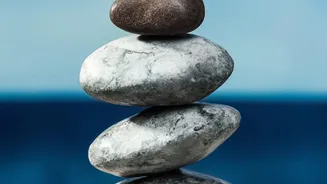
More Than Just Pretty Sculptures
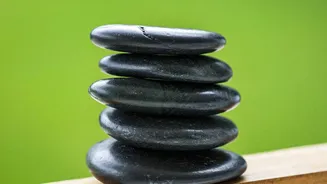
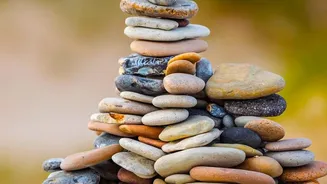
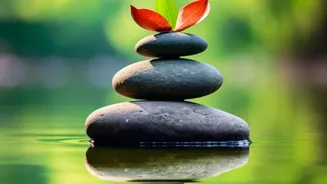
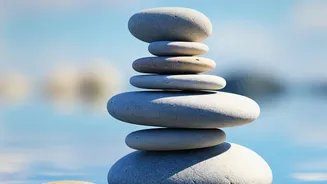
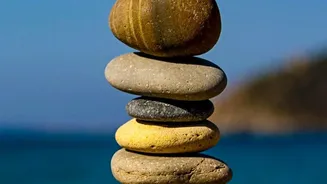
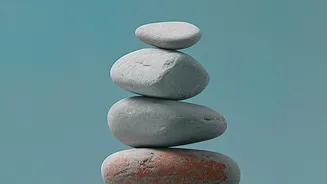
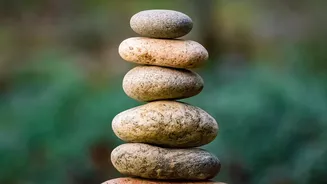
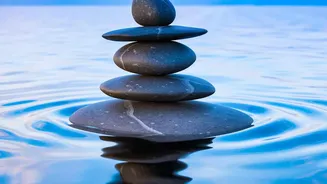
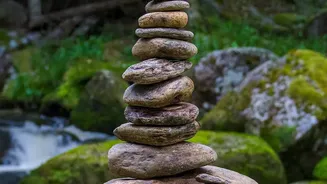
Stone balancing, an ancient practice seen across cultures, is the art of stacking stones in equilibrium without any adhesives. At first glance, it appears to be a simple, meditative hobby. Practitioners search for stones, feeling their weight and texture,
before attempting to find the precise point of balance. The result is often a structure that seems to defy gravity, a temporary sculpture that is as much about the process as the final product. While known for its calming and stress-reducing effects, the activity's benefits run much deeper, tapping into fundamental neurological and physical skills. It is a practice that demands complete presence and, in doing so, offers a unique form of mental and physical training.
A Deep Dive into Fine Motor Skills
Fine motor skills involve the use of the small muscles in our hands and wrists to perform precise, controlled movements. We rely on them for countless daily tasks, from buttoning a shirt and tying shoelaces to writing or typing. These skills are developed through a complex relationship between our brain, nerves, and muscles, creating what is known as hand-eye coordination. While often associated with childhood development, maintaining and sharpening fine motor skills is crucial throughout adulthood for maintaining independence and dexterity. Activities that challenge these skills, like playing an instrument, shuffling cards, or even craftwork, help keep these neural pathways strong.
Connecting Hand, Eye, and Stone
Stone balancing is a masterclass in fine motor control. The act of selecting a stone and placing it requires immense precision. The practitioner must make minuscule adjustments, guided by the feedback from their fingertips, to find the stone's center of gravity. This process demands exceptional hand-eye coordination as you visually assess the angle while physically manipulating the stone into place. Each successful balance is the result of a quiet conversation between sight and touch, where the brain processes subtle cues to direct the hand's delicate movements. This constant trial and error strengthens the neural connections responsible for motor control and dexterity.
A Workout for Your Attention
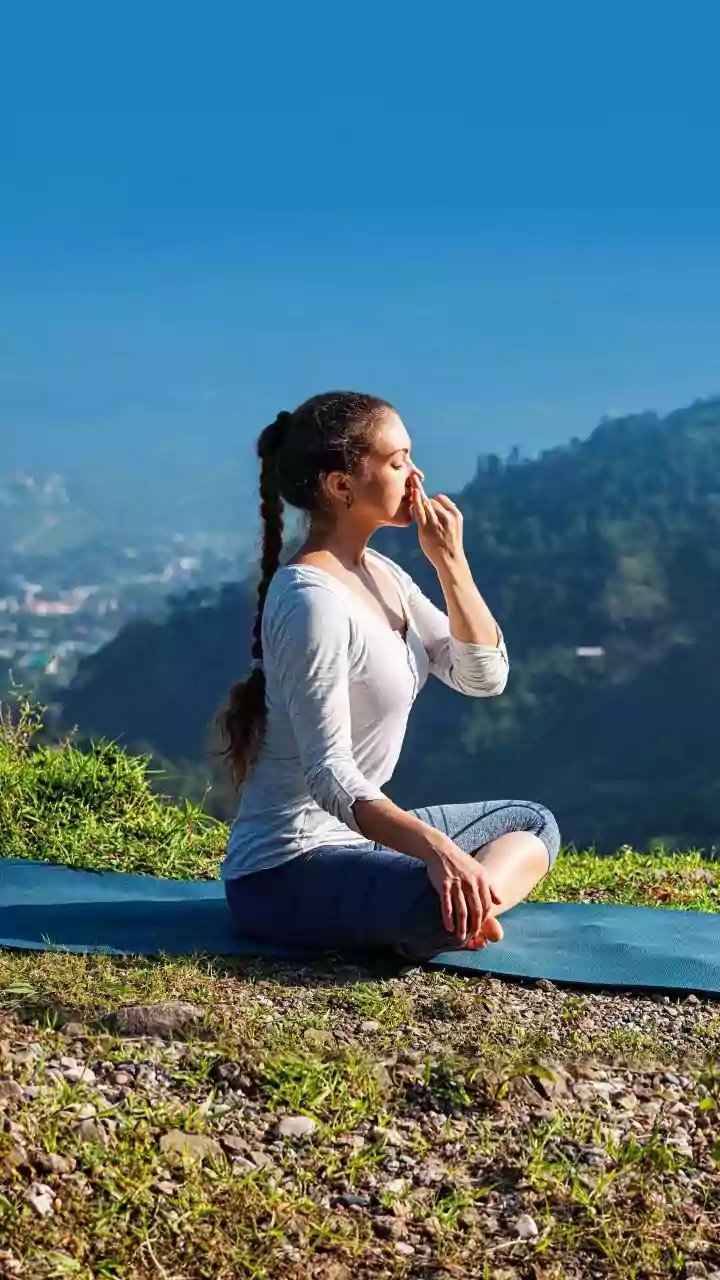
The intense concentration required for stone balancing is one of its most significant benefits. To find the point of balance, your mind must become quiet and completely focused on the task at hand; distractions fade away. This state is often described as meditative, a moment of pure presence where mental chatter ceases. Engaging in such activities trains your brain's ability to sustain attention and filter out irrelevant information. It is a form of neuromotor exercise, where physical and cognitive tasks are performed simultaneously, enhancing executive functions like planning, attention, and cognitive flexibility. This improved focus can translate to other areas of life, from work to personal relationships.
The Holistic Health Benefits
Beyond motor skills and focus, stone balancing cultivates patience and resilience. When a carefully constructed tower tumbles, you learn to let go of frustration and begin again, a powerful lesson in non-attachment. The process encourages creative problem-solving, as there is no single right way to balance a set of stones. It’s an activity that promotes light physical movement, as you walk and search for the right materials, and connects you with the natural environment. The feeling of accomplishment after creating a seemingly impossible balance can be exhilarating, boosting confidence and promoting a sense of calm and emotional well-being.