
Embrace the Pressure Cooker
The single most effective tool for slashing cooking time for whole grains is the pressure cooker or its modern cousin, the Instant Pot. Grains like whole jowar (sorghum) or bajra (pearl millet), which can take over an hour to cook on the stovetop, can be
ready in a fraction of that time. For instance, soaked jowar can be cooked in a pressure cooker with about 12 whistles, and bajra might need around 15. This method tenderizes the grains perfectly while keeping you free to handle other tasks, turning a weekend project into a weeknight possibility.
Master the Art of Meal Prep
Devote an hour on Sunday to cook a large batch of one or two types of whole grains. Once cooked and cooled, these grains can be stored in the refrigerator for up to four days. This pre-cooked base can then be quickly transformed into various dishes throughout the week. You can toss a scoop into a salad for a filling lunch, add it to soups to make them heartier, or create a quick khichdi or pulao by sautéing it with vegetables and spices. This 'cook once, eat thrice' strategy is a cornerstone of modern, efficient cooking.
Rethink Traditional Forms with Flours
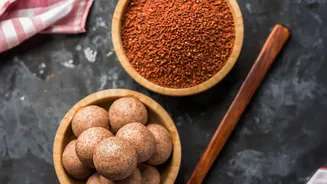
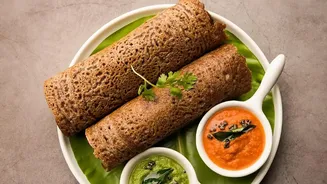
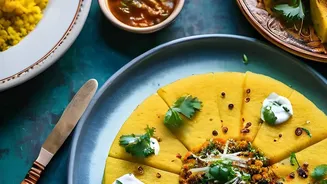
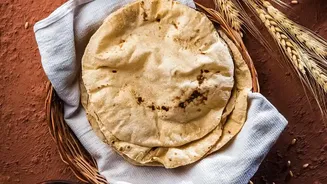
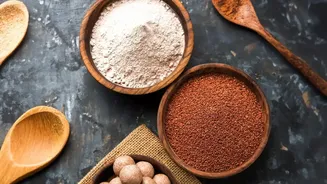
If making traditional rotis from millet flours seems too technical or time-consuming, start with simpler applications. High-quality ragi (finger millet), jowar, and bajra flours are readily available and incredibly versatile. You can make an instant ragi dosa by mixing the flour with curd, water, and spices, with no fermentation required. Another quick option is to make savoury cheelas or sweet pancakes, which come together in minutes. A warm bowl of ragi porridge is a nutritious breakfast that can be cooked in under 10 minutes.
The 'Soak, Don't Stir' Method
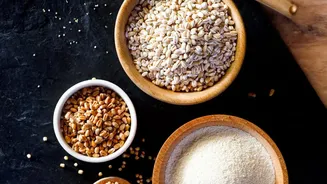
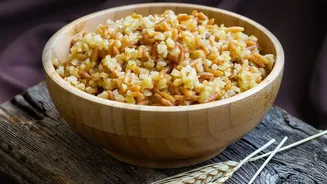
Soaking grains is a non-negotiable step with a dual benefit. Soaking unpolished millets for at least a few hours, or even overnight, significantly reduces their cooking time. This is because the grains absorb water and soften before they even hit the heat. Beyond saving time, soaking also helps break down phytic acid, an anti-nutrient that can interfere with mineral absorption. This makes the grains easier to digest and more nutritious. Soaking is a passive step that requires planning but no active effort, making it a perfect hack for a busy schedule.
Create One-Pot Wonders
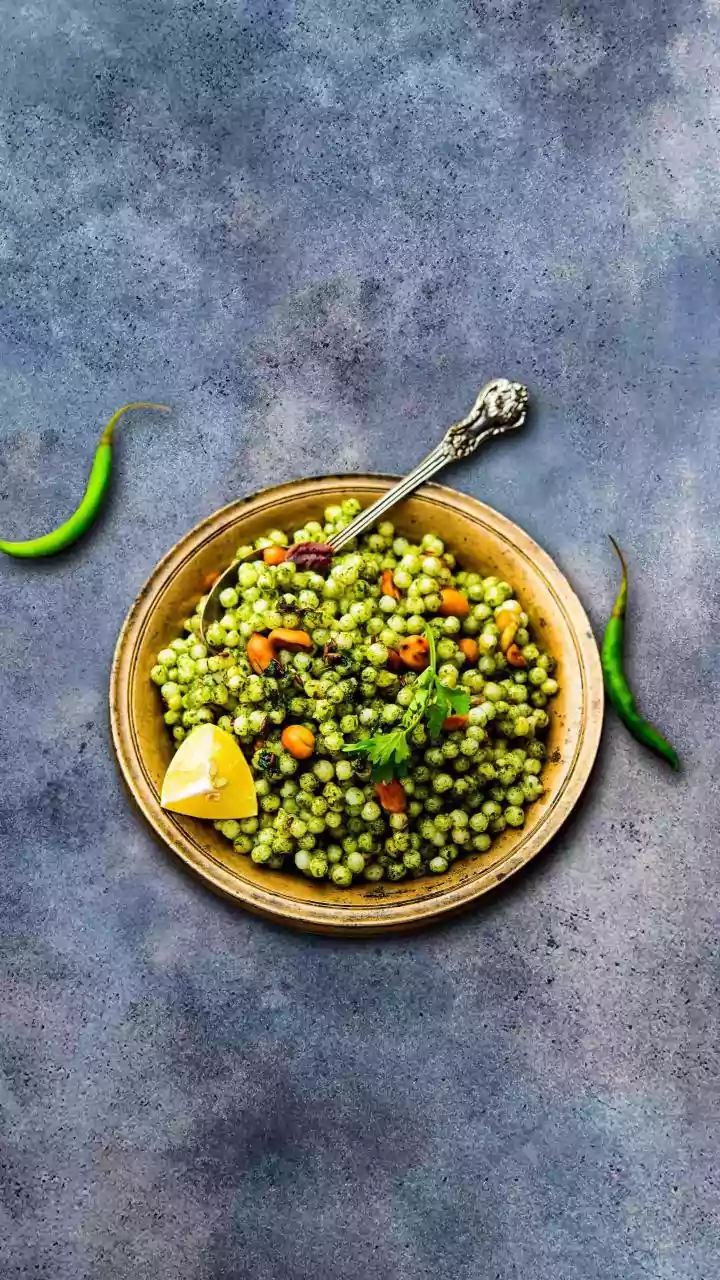
Many traditional grain recipes can be streamlined into one-pot meals, a lifesaver on busy evenings. Instead of cooking dal, vegetables, and grains separately, combine them. A millet khichdi is a perfect example. You can cook lentils, chopped vegetables, and a millet like foxtail or kodo together in a single pressure cooker. This not only saves active cooking time but also dramatically reduces the amount of washing up to do later. Most millet varieties, like foxtail or little millet, cook almost exactly like rice and can be used as a direct substitute in your favourite pulao or upma recipes.