





A Survivor's Tale
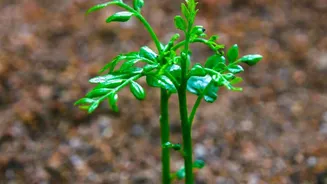
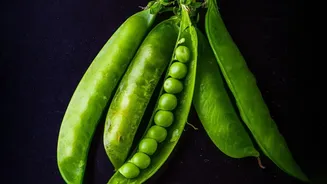
Known locally as khesari, teora, or lakhodi, the grass pea (Lathyrus sativus) is a farmer's last resort and often their only hope. It is an incredibly hardy legume, capable of producing a reliable yield even in the harshest conditions, from drought to
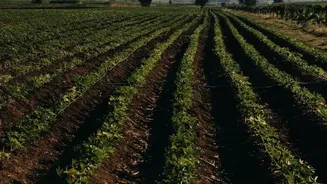
flooding. It can be planted in rice fields with residual moisture, requiring minimal investment and almost no irrigation. This makes it an ideal crop for resource-poor farmers in regions like Chhattisgarh, Bihar, and parts of Maharashtra and West Bengal. Beyond its ruggedness, khesari dal is a nutritional powerhouse, boasting a protein content of around 30%, significantly higher than many other pulses. It also fixes nitrogen in the soil, improving fertility for the next crop. For these reasons, it has been cultivated for thousands of years as an 'insurance crop'—the one that survives when everything else fails.
The Poisoned Chalice
Despite its benefits, the grass pea has a dangerous flaw. Its seeds contain a neurotoxin called beta-ODAP. When consumed in large quantities over several months, as often happens during famines when it becomes the only food available, ODAP can cause neurolathyrism—a debilitating and irreversible paralysis of the lower limbs. This tragic association led the Government of India to ban the sale and storage of khesari dal for human consumption in 1961, branding it a threat to public health. However, the ban was never fully effective. Farming continued for animal feed, and in many impoverished areas, human consumption never truly stopped, as it remained the cheapest and most reliable source of protein.
Rewriting the Code of a Cursed Crop
For decades, the story seemed to end there: a useful crop forever tainted by its toxic secret. But modern science is offering a chance at redemption. Researchers at international institutions like ICARDA (International Center for Agricultural Research in the Dry Areas) and national bodies like the Indian Council of Agricultural Research (ICAR) have been working for years to develop new varieties of grass pea with safe, low levels of the ODAP toxin. Through conventional breeding and exploiting the crop's natural genetic diversity, they have successfully created lines where the neurotoxin content is below 0.1%, a level considered safe for human consumption. Varieties like 'Ratan' and 'Prateek' are products of these efforts. More recently, genomic sequencing and advanced techniques have allowed scientists to pinpoint the exact pathways that produce the toxin, paving the way for even more precise breeding and gene-editing in the future.
From Banned to Beneficial?
The development of these low-toxin varieties has reignited the debate about lifting the decades-old ban. Proponents argue that with safe varieties now available, the grass pea can be repositioned as a climate-smart crop, crucial for ensuring nutritional security in a warming world. Bringing millions of hectares of fallow land left after rice cultivation into pulse production could boost India's food supply and increase farm incomes substantially. However, the journey from lab to field is complex. It involves not just regulatory approval from bodies like the FSSAI but also a massive effort to regain public trust and ensure that farmers are planting only the certified, safe varieties. The fear is that old, high-toxin varieties could mix with the new, undermining the entire effort. Despite these challenges, there is growing momentum, with some states reportedly considering easing restrictions based on the new scientific evidence.