


The Soul of the Indian Kitchen
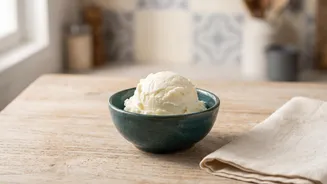
Long before foil-wrapped yellow blocks filled refrigerator doors, Indian kitchens ran on homemade white butter. This cherished staple, also called 'loni' in Maharashtra or 'benne' in Karnataka, is more than just an ingredient; it’s a cultural touchstone.
In Hindu mythology, it’s famously associated with Lord Krishna, who as a child was known for playfully stealing freshly churned butter, a story that embeds makkhan deep within India’s spiritual and culinary identity. Traditionally made by churning cultured cream or 'malai' collected over several days, white butter is the pure fat that separates from the buttermilk. This process, once done by hand with a wooden churner called a 'madhani', was a daily ritual in many households, a testament to a slower, more deliberate way of life.
White vs. Yellow: A Tale of Two Butters
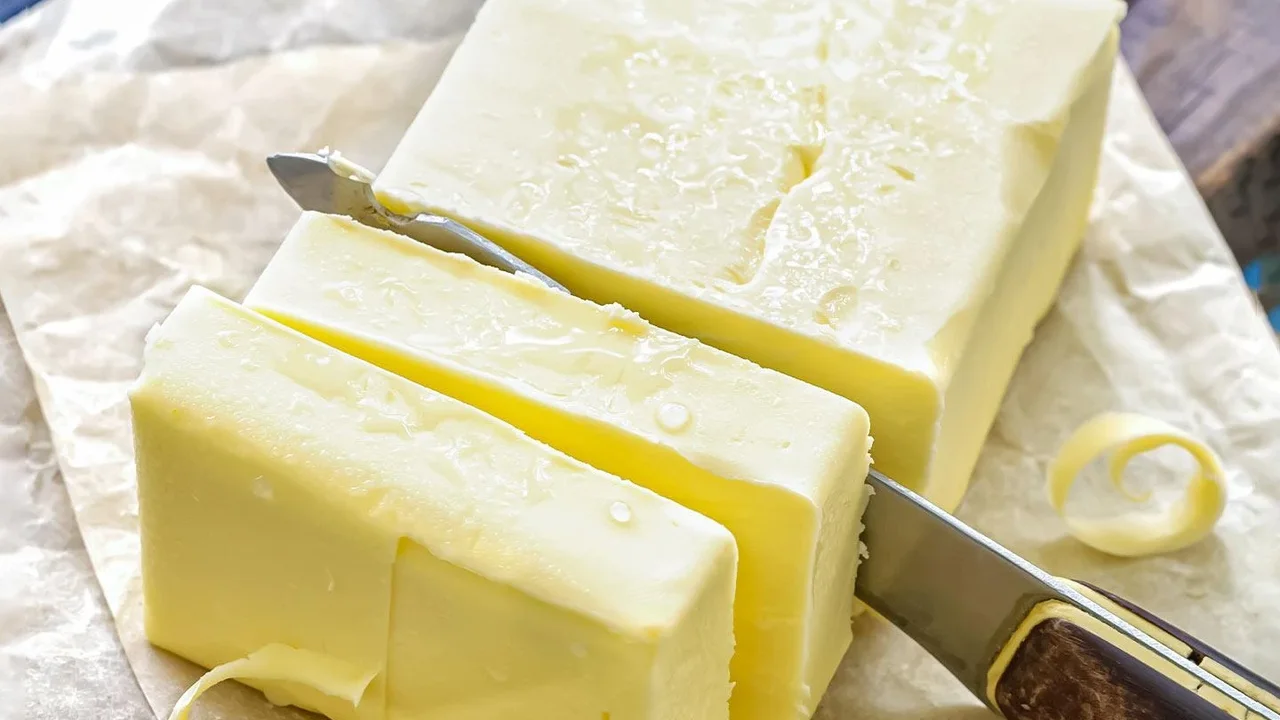
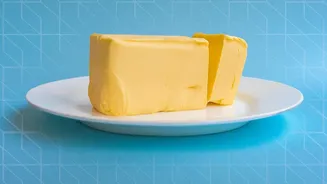
While both are dairy products, homemade white butter and commercial yellow butter are worlds apart. The most obvious difference is that safed makkhan is unsalted, giving it a milder, purer dairy flavour that complements rather than overpowers food. Commercial yellow butter often contains added salt, which acts as a preservative and alters its taste profile. Furthermore, homemade white butter is unprocessed and free from the preservatives, artificial colours, and trans fats sometimes found in its commercial counterpart. The texture is also distinct; white butter is softer and creamier, melting instantly on warm foods to create a luscious mouthfeel. This purity is why many consider it a more natural and wholesome choice for daily consumption.
The Simple Joy of Making Your Own
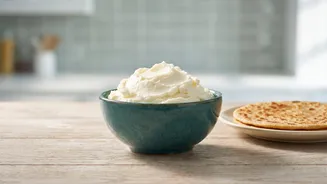
Making white butter at home is a surprisingly simple and rewarding process, connecting you directly to your food. The traditional method involves collecting the thick layer of cream (malai) from the top of boiled and cooled full-fat milk over several days, storing it in the freezer. Once you've gathered enough, the cream is brought to room temperature, often with a little yogurt added to culture it overnight. The next step is churning. While a traditional 'madhani' is one way, a modern stand mixer, food processor, or hand blender works just as well. As you whip the cream, it will progress through stages: first thickening, then forming stiff peaks, and finally, separating into solid butterfat and liquid buttermilk. Adding a splash of cold water helps this separation. The solid butter is then gathered, rinsed under cold water to wash away residual buttermilk, and gently squeezed to remove excess liquid before being stored.
A Dollop of Deliciousness: How to Use It
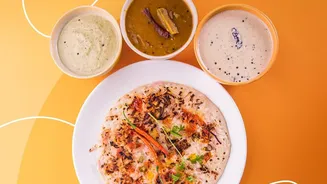
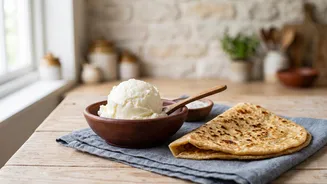
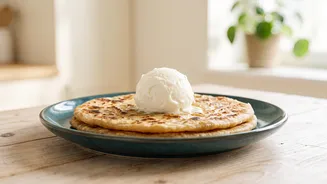
The uses for white butter in Indian cuisine are both classic and versatile. Its most iconic pairing is with hot, flaky parathas—especially stuffed versions like aloo, gobi, or paneer paratha—where it melts into a glorious pool of flavour. It is the crowning touch on 'makki di roti' served with 'sarson ka saag', a winter specialty in Punjab. A spoonful can be stirred into hot dals like dal makhani for richness, or swirled over pav bhaji. Beyond these classics, it can be spread on toast, mixed into steamed rice, or even blended into chutneys for a creamy texture. The leftover buttermilk is a nutritious and refreshing drink in itself, ensuring nothing goes to waste.
A Wholesome Tradition
Beyond its incredible taste, white butter is valued for its nutritional profile. Because it is unprocessed, it retains fat-soluble vitamins like A, D, and E. It contains healthy fats and milk proteins, and its lack of added sodium makes it a better choice for those monitoring their salt intake. Some nutrition experts note that the process of churning cultured cream may also create beneficial fatty acids. While all fats should be consumed in moderation, opting for homemade butter allows you to enjoy a pure, additive-free product. It represents a return to whole foods and an appreciation for ingredients in their most natural state, offering a taste of nostalgia and nourishment in every spoonful.