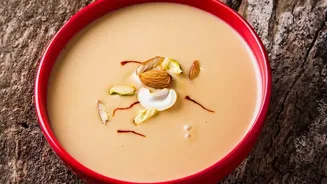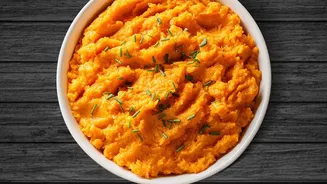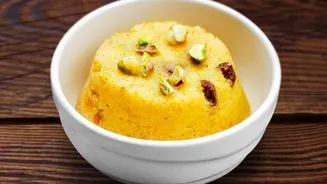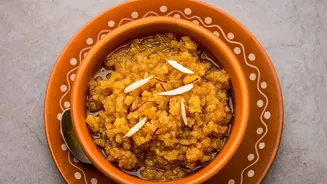


The Soul of a Simple Sweet
Aloo Halwa, or potato halwa, is a beloved dessert across North India, especially popular during fasting periods like Navratri or for festive occasions. Made from a surprisingly simple list of ingredients—potatoes, sugar, ghee, and flavourings like cardamom
and nuts—its magic comes from the transformation of the humble potato into a rich, decadent sweet. While many vegetable-based halwas exist, the use of potato is unique because of its high starch content. When prepared correctly, it yields a glossy, dense, and incredibly smooth pudding that is both filling and satisfying. The goal is a halwa that holds its shape yet is tender enough to dissolve on the tongue.
The Common Pitfall: Boiled and Pasty
Most standard recipes for Aloo Halwa begin with boiled and mashed potatoes. While this seems logical, it’s often the source of a disappointing texture. Boiling introduces water into the potato's starch cells. When these water-logged potatoes are mashed and then cooked with sugar, the starches can easily break down into a gluey, sticky, or overly pasty consistency. Getting a lump-free, smooth mash from boiled potatoes is also a challenge. Even if you achieve a smooth mash, the excess moisture means you spend more time cooking the halwa down to the right consistency, risking a less refined final product.
The Ghee-Roasting Difference
This is where the technique of roasting the mashed or grated potato in ghee comes in. This step, which involves sautéing the potato in a generous amount of ghee for 10-15 minutes, is transformational. The ghee, a form of clarified butter with a high smoke point, serves multiple purposes. First, it coats the potato starches, preventing them from becoming gummy when sugar and any liquid are introduced later. Second, the slow roasting process cooks off any raw potato flavour, replacing it with a nutty, complex taste that is the hallmark of a great halwa. As you cook, the potato first absorbs the ghee, then, as it cooks down and the sugar is added, it begins to release the ghee, resulting in a glossy sheen and a rich texture that doesn't stick to the pan.
Mastering the Roasting Technique
To achieve the perfect foundation for your halwa, start with well-boiled potatoes that you peel and then grate rather than mash. Grating ensures a uniform texture without lumps. Heat a heavy-bottomed pan and add a generous amount of desi ghee. Once the ghee is hot, add the grated potato. Keep the flame on low to medium and stir continuously. Be patient; this is the most important step. You will need to roast the potatoes for at least 10-15 minutes. You'll notice the colour slowly deepening to a light golden brown and a beautiful aroma filling your kitchen. The mixture will stop sticking and come together, which is your cue that the potato is perfectly roasted and ready for the next stage.
Building on a Perfect Base
Once your potatoes are beautifully roasted, the rest of the process is straightforward. When you add sugar, the mixture will liquefy slightly before thickening again. Continue to cook until the halwa pulls away from the sides of the pan. This is the point where you can add flavourings like cardamom powder, saffron-infused milk, and a variety of nuts like almonds and cashews. Because you took the time to build a perfect base with the ghee-roasted potato, these final additions will shine. The final product will be a halwa that is not just sweet, but deeply flavourful, with a rich, soft, and utterly irresistible texture.