

1. Mount Etna, Italy: The Highly Monitored Giant
Looming over Sicily, Mount Etna is one of the world's most active volcanoes and a major tourist hub. Visitors can take a cable car, ride in 4x4 vehicles, and hike on its otherworldly slopes. The secret to its success as a destination lies in round-the-clock
surveillance. Italy's National Institute of Geophysics and Volcanology (INGV) uses a dense network of sensors to track seismic activity, ground deformation, and gas emissions. When the volcano shows signs of increased activity, authorities restrict access to higher elevations well in advance, ensuring visitor safety. This system allows tourism to flourish, making Etna a prime example of how proactive monitoring enables safe access to a powerful natural wonder.
2. Mount Fuji, Japan: Planning for a Giant's Slumber
Japan's iconic Mount Fuji is an active volcano that hasn't erupted since 1707, but experts agree it will erupt again. It attracts hundreds of thousands of climbers every summer. Here, hazard management focuses on preparation for a future event. The government has a detailed, multi-level evacuation plan for the 750,000 residents in the potential impact zone. For tourists, the plan includes clear triggers for closing the mountain. As soon as the alert level is raised to 3, authorities will urge climbers and tourists to descend before access is fully restricted. This strategy balances the peak's immense cultural and tourist value with the sober reality of its volcanic potential, prioritising early warnings for the masses on its slopes.
3. Kīlauea, Hawaii, USA: Living with Lava
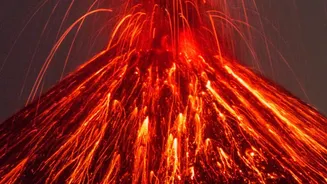
Located in Hawaiʻi Volcanoes National Park, Kīlauea is famous for its accessible lava flows and dramatic eruptions. Management here is dynamic, adapting in real-time to the volcano's behaviour. The National Park Service works closely with USGS scientists, who monitor the volcano constantly. When eruptive activity changes, the park acts immediately, closing off trails, roads, and viewing areas to protect visitors from hazards like toxic volcanic gases (vog) or new lava flows. Designated overlooks are established in safe locations to allow for spectacular, yet secure, viewing experiences. This approach allows the public to witness creation in real-time while respecting the volcano's power.
4. Mount Rainier, Washington, USA: The Lahar Threat
The danger from Mount Rainier, a giant overlooking Seattle's suburbs, isn't just lava, but lahars—fast-moving volcanic mudflows that behave like flowing concrete. Though it hasn't erupted in over a century, the risk of a lahar generated by a landslide or eruption is significant. Tourism involves hiking and climbing on its beautiful, glaciated slopes. The hazard management system focuses on downstream communities and visitors. A network of sirens is installed throughout the river valleys. These sirens are tested monthly and, in a real event, would sound a continuous wail to warn people to evacuate to high ground immediately. This system is designed to provide precious minutes of warning, which can be the difference between life and death.
5. Mount Bromo, Indonesia: Adjusting to Activity
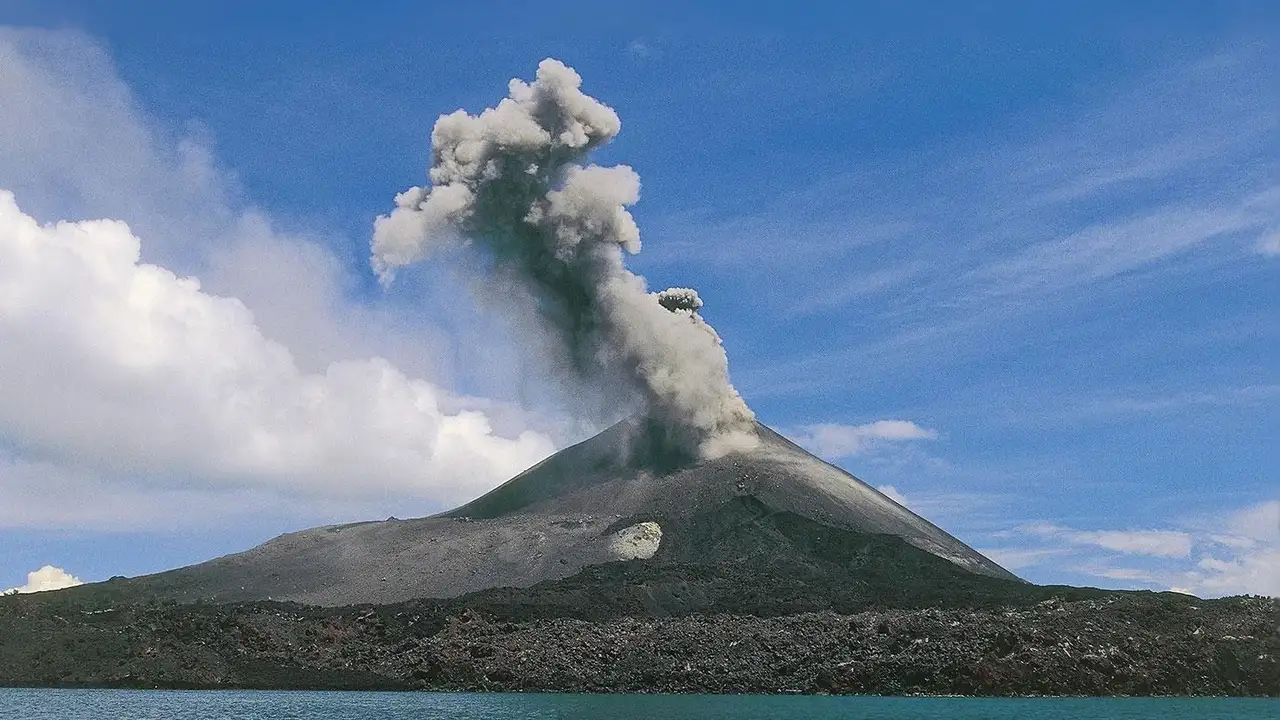
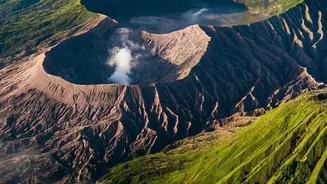
Part of the Bromo Tengger Semeru National Park, Mount Bromo is a popular tourist destination known for its stunning sunrises over a “Sea of Sand.” The volcano is consistently active, and management involves a flexible exclusion zone. Based on the volcano's alert level, authorities will declare a radius around the crater off-limits to tourists, which can range from one to several kilometers. This ensures that while the volcano is puffing away, visitors can still enjoy the wider caldera landscape from a safe distance. The system's responsiveness was highlighted in early August 2026, when the entire park was temporarily closed to tourists not due to eruption, but because of wildfires, demonstrating that safety is the top priority.
6. Popocatépetl, Mexico: When the Risk is Too High
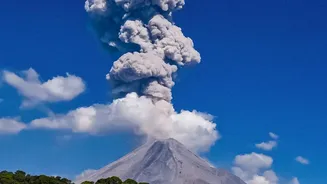
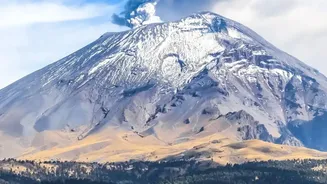
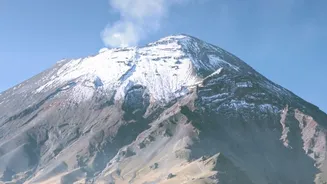
Nicknamed 'El Popo', this volcano near Mexico City serves as a powerful counterpoint. It is simply too dangerous for tourism. Since reawakening in 1994, Popocatépetl has been in a state of near-constant activity, with frequent explosions, ash plumes, and dome growth. As a result, authorities have established a permanent 12-kilometer exclusion zone around the crater, and climbing has been strictly forbidden. Management here means prohibition. While hiking is popular on the neighbouring, dormant Iztaccíhuatl volcano which offers spectacular views of El Popo, direct access is impossible. It's a crucial reminder that sometimes, the safest way to manage a volcano is from a very, very long distance.