


The Eruption That Grounded the World
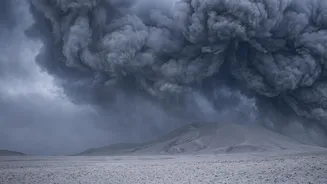
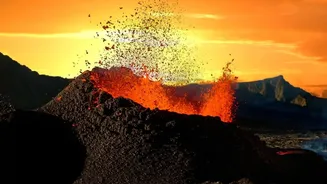
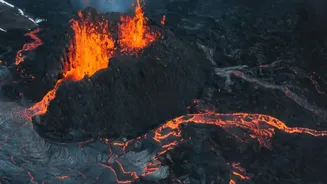
For many, the first inkling that a volcano could directly impact their modern life came in April 2010. When Iceland's Eyjafjallajökull volcano erupted, it wasn't the lava that caused a global crisis, but the ash. Propelled high into the atmosphere and carried
by the jet stream, a vast cloud of microscopic glass and rock particles drifted over Europe. The response was unprecedented: the largest air-traffic shutdown since World War II. Over 100,000 flights were cancelled, stranding millions of passengers and costing the airline industry an estimated $1.7 billion. The tiny, abrasive ash particles posed a severe threat, capable of sandblasting cockpit windows and, more dangerously, melting inside jet engines and causing them to fail. The crisis exposed a major vulnerability in global aviation. In its wake, a revolution in volcanic hazard management occurred. Aviation authorities and scientists collaborated to create new systems for detecting, tracking, and forecasting ash concentration, moving from a simple “avoid all ash” policy to a more nuanced, concentration-based approach. This event directly spurred the development and implementation of the advanced satellite and modelling technologies that now protect global air travel every day.
Pinatubo's Unplanned Climate Experiment
In 1991, Mount Pinatubo in the Philippines produced the second-largest eruption of the 20th century. Beyond the immediate devastation, it launched nearly 20 million tons of sulfur dioxide into the stratosphere. This gas formed a haze of sulfate aerosol particles that circled the globe in weeks, reflecting sunlight back into space. The result was a massive, unplanned scientific experiment. For the next two years, average global temperatures dropped by about 0.5°C (1°F), temporarily masking the effects of greenhouse gas warming. For climate scientists, this was a golden opportunity. The event provided real-world data to test and refine their climate models, confirming the powerful cooling effect of stratospheric aerosols. This understanding gained from Pinatubo has become a cornerstone of 21st-century climate science, providing a vital benchmark for predicting future climate changes and even informing controversial proposals on geoengineering as a potential response to global warming.
The Ghost of 1815 and Its Cultural Echoes
The largest eruption in recorded history was Mount Tambora in Indonesia in 1815. Its impact was so immense it created a global climate anomaly. The year 1816 became known as the “Year Without a Summer,” with snow falling in June in New England and widespread crop failures and famine across the Northern Hemisphere. While this event predates our century, its echoes shaped the world we inherited. The resulting famines triggered waves of migration and economic depression. The atmospheric dust also created spectacular, vividly coloured sunsets, which were famously captured in the paintings of artist J.M.W. Turner. That same gloomy, cold summer, a group of English writers holidaying in Switzerland, including Mary Shelley, were trapped indoors by the incessant rain. To pass the time, they told ghost stories, leading to the creation of Shelley's masterpiece, "Frankenstein." The study of Tambora’s cataclysmic impact on weather laid the foundational principles for our modern understanding of how volcanoes can drastically alter the global climate system.
A Planet on Alert
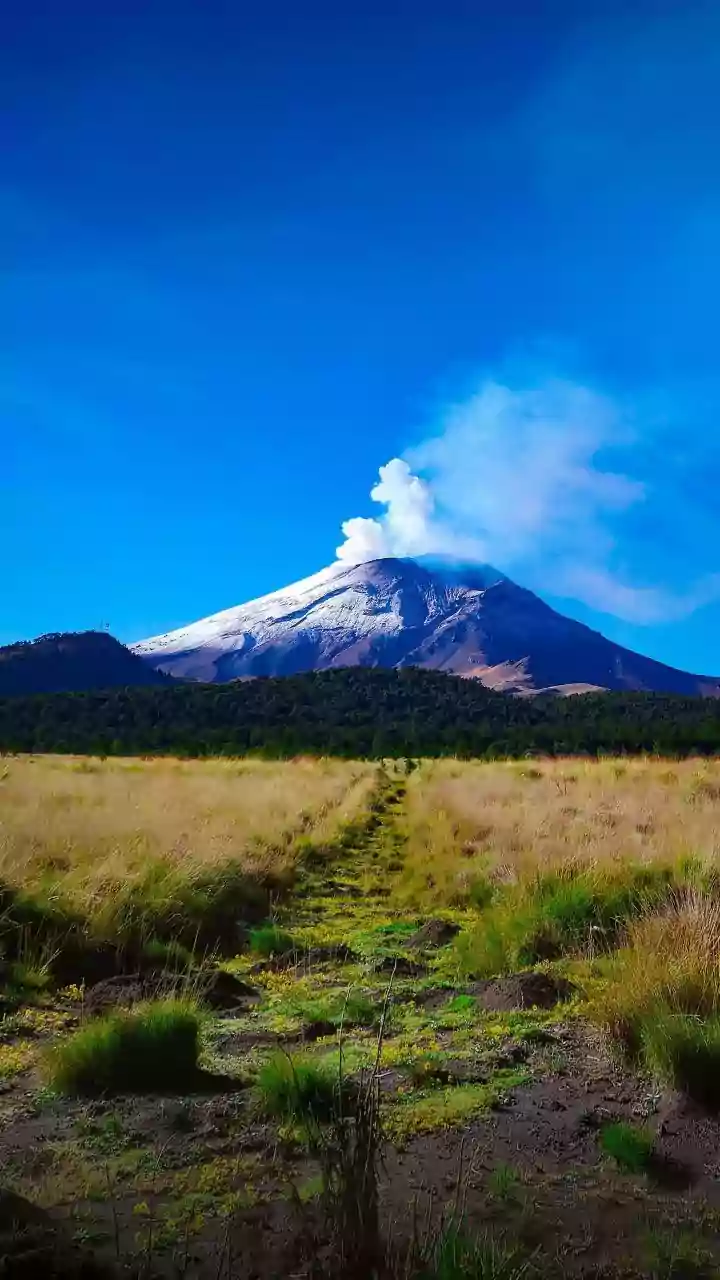
The lessons learned from these powerful eruptions have fundamentally reshaped our approach to geological hazards. Today, a global network of monitoring systems works around the clock to prevent a repeat of past catastrophes. Nine Volcanic Ash Advisory Centers (VAACs) are positioned around the world, tasked with using satellite data and dispersion models to issue warnings to the aviation industry. Scientists use an array of tools, from ground-based sensors and GPS to satellite instruments that can detect sulfur dioxide plumes and even volcanic lightning, to provide early warnings of explosive eruptions. This 21st-century shield of technology and international cooperation is a direct legacy of the chaos caused by eruptions like Eyjafjallajökull and the grim data provided by Pinatubo and Tambora. It’s a constant, quiet effort to manage the immense power of our planet and protect our interconnected, modern world from its most dramatic forces.