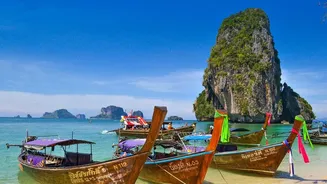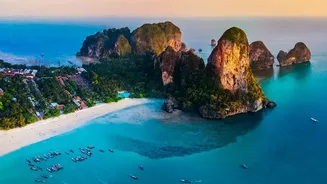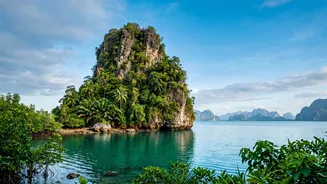



Thailand's allure is undeniable, a tapestry of golden temples, vibrant street food, and breathtaking beaches. But its immense popularity has a downside, with some iconic spots now straining under the weight of mass tourism.
Phuket’s Crowded Coasts
Phuket, Thailand's largest island,
has long been a magnet for tourists, but its popularity has come at a cost. Areas like Patong Beach are legendary for their nightlife and shopping but are also prime examples of overdevelopment. The sheer volume of visitors—a 2023 study noted a staggering ratio of 118 tourists for every local resident—has led to significant environmental strain, traffic congestion, and a loss of local authenticity. The rapid, and sometimes weakly regulated, growth of hotels and resorts has transformed once-quiet coastlines into bustling commercial hubs, pushing local communities and their traditional way of life further from the shore. While Phuket's economic success from tourism is clear, the environmental and social impacts are a growing concern. For a different pace, consider exploring the island's northern areas like Mai Khao Beach, known for its quieter stretches and sea turtle conservation efforts, or delve into the history and architecture of Old Phuket Town.
The Case of Maya Bay
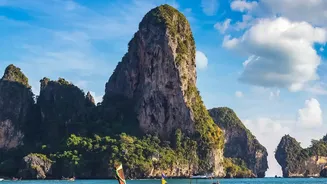
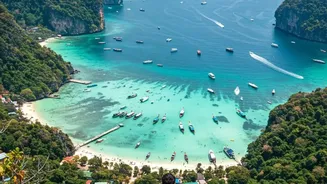
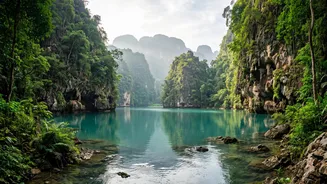
Made famous by the 2000 film 'The Beach', Maya Bay on Phi Phi Leh became a symbol of paradise lost to over-tourism. By 2018, the daily influx of up to 5,000 visitors and 200 boats had decimated over 80% of its coral reefs. In a drastic but necessary move, Thai authorities closed the bay entirely for over three years to allow the fragile ecosystem to heal. The bay reopened in 2022 under strict new rules designed for sustainable tourism. Visitor numbers are now capped, with only 375 people allowed at a time for one-hour slots, and advance booking is required. Crucially, boats are no longer allowed to enter the bay itself; instead, they dock at a pier behind the beach, and visitors access the sand via a walkway. Swimming in the bay is strictly prohibited to protect the recovering coral and the blacktip reef sharks that have since returned. While you can no longer swim in its turquoise waters, visiting Maya Bay today offers a powerful lesson in environmental recovery and responsible management.
Pattaya’s Complex Reputation
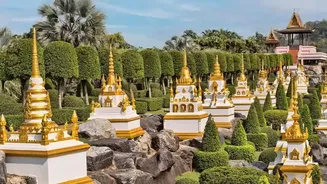
Pattaya, another Thai destination ranking high on global lists for tourist density, has a long and complex history with mass tourism. Its reputation is heavily tied to its sprawling nightlife and entertainment districts, which, while a significant economic driver, have also contributed to a perception that overshadows its other attractions. The city's rapid development has led to challenges similar to those in Phuket, including pressure on infrastructure and a focus on commercial ventures that can feel disconnected from authentic Thai culture. However, efforts are underway to diversify its appeal. Beyond the city's bustling core, areas like Jomtien Beach offer a more relaxed family-friendly atmosphere. For those seeking culture and nature, the Sanctuary of Truth is a stunning all-wood temple showcasing intricate carvings, while the Nong Nooch Tropical Botanical Garden provides a vast, beautifully landscaped escape.
Rethinking the Floating Markets
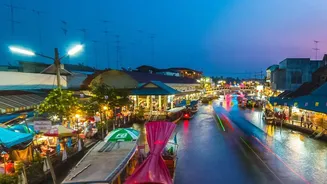
The image of vendors selling fruit from long-tail boats is an iconic part of the Thai travel fantasy, with Damnoen Saduak being the most famous floating market. However, many visitors find it has become more of a tourist re_enactment than an authentic local experience, often crowded and with inflated prices. It's a prime spot for photos but may not reflect the daily life it once did. For a more genuine feel, consider alternatives. Amphawa Floating Market, popular with Thais, comes alive in the afternoons and evenings and is known for its canal_side seafood grills and firefly_watching boat trips. Even closer to Bangkok, markets like Khlong Lat Mayom and Taling Chan offer a more local, food_centric experience where residents go to eat and shop on weekends, providing a less crowded and more authentic glimpse into Thai canal culture.