

The Unsung Hero of a Legendary Breakfast
Imagine a perfect weekend morning. For many across India, particularly in Gujarat, this picture involves crisp, salty fafda and sweet, syrupy jalebi. This beloved combination is a delightful study in contrasts. But there is a third, often overlooked,
component that truly makes the meal sing: the raw papaya sambharo. This crunchy, warm salad isn't just a side dish; it's the element that cuts through the richness, cleanses the palate, and adds a vibrant, fresh dimension that elevates the entire experience from merely good to truly unforgettable. Without it, the combination would feel incomplete, missing the zesty counterpoint that makes every bite a perfect harmony of sweet, salty, and spicy.
What is Sambharo?
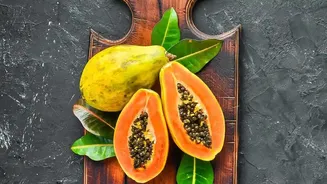
Sambharo is a traditional Gujarati preparation that can be described as a quick, warm stir-fried salad. The name refers to a method of cooking where vegetables are tossed in hot oil with spices for a very short time. The goal is not to cook the vegetables until they are soft, but to heat them through while preserving their natural crunch. While sambharo can be made with various vegetables like cabbage or carrots, the one most famously paired with fafda is made from firm, unripe green papaya. The raw papaya is typically peeled, deseeded, and grated into thick strands, ready to be transformed.
The Art of the Quick Toss
The magic of sambharo lies in its swift preparation. It begins with heating oil in a pan and tempering it with mustard seeds, which are allowed to splutter. To this, ingredients like asafoetida (hing), slit green chillies, and sometimes curry leaves are added for a burst of flavour and aroma. The grated raw papaya is then tossed into this fragrant oil. A pinch of turmeric powder gives it its characteristic yellow hue, while salt and a little sugar balance the flavours. The key is to stir-fry the papaya on a medium to high heat for just a few minutes. The papaya should become slightly translucent but remain decidedly crunchy and al dente. Overcooking is the enemy of good sambharo, as it would turn the crisp shreds into a soft, mushy pile.
A Symphony of Flavour and Texture
So, how exactly does this simple dish provide that "extra freshness"? It's a multi-sensory experience. The primary contribution is texture. The crunch of the lightly cooked papaya provides a fantastic contrast to the deep-fried crispiness of the fafda and the soft chewiness of the jalebi. Then comes the flavour. The raw papaya itself has a neutral taste, allowing it to be a perfect canvas for the spices. The heat from the green chillies, the pungency of the mustard seeds, and a final squeeze of lime juice for tang create a spicy and sour profile that cuts right through the oiliness of the fafda and the intense sweetness of the jalebi. It is this interplay of textures and the balancing act of flavours—salty, sweet, spicy, and tangy—that makes the combination so addictive and complete.
Beyond the Classic Pairing
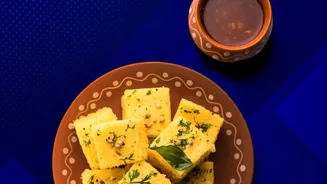
While raw papaya sambharo is famous as a companion to fafda and gathiya, its versatility extends far beyond the breakfast plate. This delightful warm salad is a wonderful accompaniment to many other Gujarati snacks, such as khaman, dhokla, and thepla. Its refreshing crunch and zesty flavour profile can brighten up a simple meal of dal and rice, or even be enjoyed on its own as a light and healthy salad. Variations are also popular, with shredded cabbage, carrots, or even bell peppers being used to create different versions of sambharo, each offering its own unique texture and taste. The fundamental principle remains the same: a quick stir-fry that celebrates the vegetable's natural crispness.