




A Village That Is a Destination Itself
Before you even lace up your hiking boots, Lahij demands exploration. This ancient settlement, with a history stretching back 2,000 years, is a living museum. Its narrow, cobblestone streets, paved with white river stones from the Girdimanchay River,
wind between historic stone houses. Lahij is a designated historical and architectural reserve, a status that has preserved its authentic layout and charm. The village is most famous for its copper craftsmanship, a tradition so vital it's inscribed on UNESCO's list of Intangible Cultural Heritage. Visitors can wander into workshops to watch artisans transform metal into intricate works of art, a practice passed down through generations in this community of ethnic Tats.
The Gateway to the Greater Caucasus
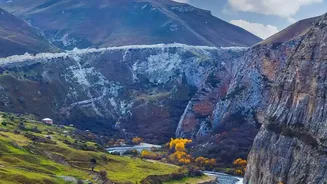
Lahij’s true power for trekkers is its location. Situated around 1,500 metres above sea level, it serves as an ideal base camp, offering a variety of scenic hiking routes directly from the village. The dramatic mountain road leading to Lahij, which carves through the spectacular Girdimanchay Canyon, is itself an introduction to the wild beauty of the region. This landscape of steep cliffs and lush valleys, once a natural fortress protecting the village, is now a playground for nature lovers. From here, the vast expanse of the Shahdag National Park and the towering peaks of the Greater Caucasus are within easy reach.
Trails for Every Type of Trekker
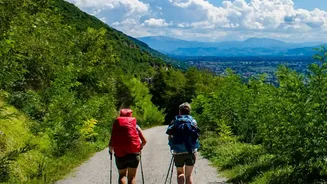
Whether you seek a gentle walk or a challenging multi-day trek, Lahij delivers. A number of trails begin in or near the village, catering to various fitness levels. For a moderate day hike, you can explore the hills surrounding the village for panoramic views. More adventurous hikers can tackle routes to nearby villages like Muju or Zarnava. The Muju-to-Lahij trail, for instance, is a demanding 10km hike that ascends to 2,000 metres, rewarding trekkers with breathtaking vistas of snow-capped peaks. Other routes involve crossing the Girdimanchay River via a suspension bridge to explore traditional settlements like Mushkamir, offering an immersive experience of the region's rugged terrain and local life.
Planning Your Mountain Adventure
The best time for hiking in the mountains around Lahij is from late spring to early autumn. The months of May through September offer the most favourable conditions, with snow having melted from higher trails and the weather generally clear and pleasant. Spring, particularly April and May, brings blooming landscapes, while September and October offer crisp air and beautiful autumn colours. For any hike, it's essential to wear sturdy, broken-in footwear and pack layers, as mountain weather can change quickly. Always carry sufficient water, food, and sun protection. While some shorter local trails are easy to navigate, hiring a local guide is recommended for more remote or unmarked routes.