







The Challenge of Volatile Prices
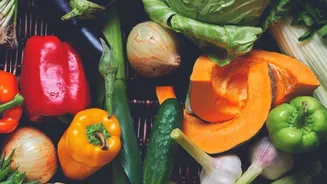
From tomatoes and onions to leafy greens, vegetable prices in India are notoriously volatile, often influenced by seasonality, monsoon patterns, and supply chain disruptions. These fluctuations present a significant challenge for restaurants operating
on thin profit margins, which often range from just 3-10%. When the price of a key ingredient doubles overnight, restaurants face a difficult choice: absorb the cost and hurt profitability, raise menu prices and risk alienating customers, or compromise on quality. Some eateries have resorted to reducing the quantity of vegetables in dishes or removing items from the menu altogether.
Embracing True Menu Flexibility
A flexible menu is more than just a handwritten ‘special of the day’. It's a strategic approach to menu design that prioritises adaptability. Instead of building a rigid menu around specific vegetables, you design dishes around broader categories. For example, rather than listing a specific "Palak Paneer," a restaurant might offer a "Seasonal Saag Paneer." This small change empowers the kitchen to use spinach when it's well-priced and abundant, and switch to mustard greens (sarson) or other local greens when they are in season and more economical. This strategy can be applied across appetisers, main courses, and even beverages, ensuring the menu remains fresh and cost-effective.
The Power of Seasonal Sourcing
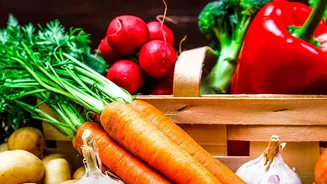
A flexible menu goes hand-in-hand with seasonal sourcing. Ingredients that are in season are not only fresher and more flavourful but also significantly cheaper and more readily available. Building a menu around the seasons can reduce ingredient costs by 15-30%. This requires building strong relationships with local suppliers and vendors. Regular communication can provide valuable insights into what's currently abundant, what's coming into season, and what offers the best value. This allows chefs to plan menus proactively, taking advantage of market bests rather than being victims of price spikes.
Designing an Adaptable Menu
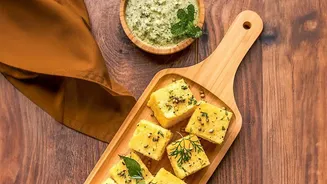
Menu engineering is key to implementing a flexible system. One effective technique is to create a core menu of popular, stable-cost items that customers love, supplemented by a rotating selection of seasonal dishes. These limited-time offers (LTOs) create a sense of novelty and urgency, encouraging repeat visits. For example, a restaurant could feature a 'Monsoon Pakora Platter' or a 'Winter Vegetable Korma' that changes based on the best produce available. Drinks are also easy to adapt, with seasonal fruit juices, coolers, or mocktails providing high-margin opportunities that require minimal kitchen changes.
Training for a Dynamic Kitchen
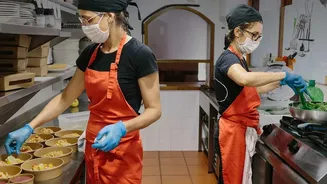
A flexible menu requires a skilled and adaptable team. Kitchen staff must be creative and comfortable with improvisation, able to craft delicious meals with the ingredients that are best on a particular day. Standardised recipes need to be developed for consistency, but with built-in flexibility. Equally important is training the front-of-house staff. Servers must be knowledgeable about the daily or weekly changes, able to confidently explain the dishes, and articulate the benefits of seasonal eating to customers. When staff can say, “Today, the chef has sourced some wonderful fresh corn from a local farm for the tikki,” it turns a cost-saving measure into a story of quality.
Turning Cost Control into Customer Value
Ultimately, a flexible menu can be a powerful marketing tool. Instead of being a limitation, it communicates a commitment to freshness, quality, and seasonality—values that resonate with modern diners. It positions the restaurant as a place that offers a dynamic and interesting dining experience. Over time, regulars come to anticipate the menu changes, building a sense of excitement. By framing the flexible approach as a dedication to providing the best of the season, restaurants can build a stronger brand identity, reduce food waste, and protect their bottom line from the unpredictable nature of vegetable prices.