







The Art of Tea and Dessert
Tea pairing is all about matching intensity and complementing flavours. The robust, malty notes of a strong black tea like Assam or English Breakfast can stand up to the richest chocolate desserts. The tannins in the tea cut through the sweetness and fat
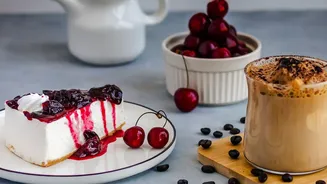
of a dense chocolate cake or brownie, cleansing the palate and making each bite feel fresh. For lighter, fruit-based desserts like a lemon tart or berry crumble, a delicate green tea is an excellent choice. Its grassy, vegetal notes won't overpower the fruit, creating a refreshing and balanced combination. If you're enjoying something creamy like a cheesecake or panna cotta, consider an herbal tea like chamomile or peppermint. Chamomile enhances vanilla notes, while the coolness of mint provides a perfect contrast to chocolate.
Elevating Sweets with Coffee
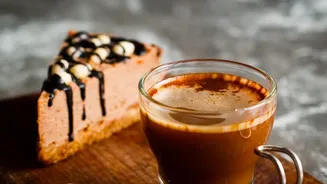
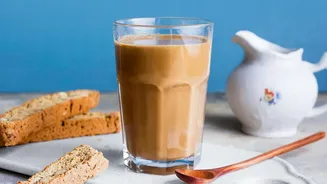
Like tea, coffee pairing follows a simple rule: match the intensity of the coffee to the dessert. A bold, dark roast with smoky, earthy notes is a classic partner for equally intense desserts. Think of a shot of espresso alongside a flourless chocolate cake or tiramisu; the coffee's bitterness balances the dessert's deep sweetness. Medium roasts are versatile and pair well with a wider range of treats, including nut-based pastries, spice cakes, and lighter chocolate desserts. For desserts that are fruity and light, such as a lemon bar or a fruit tart, a light-roast coffee is ideal. These coffees often have higher acidity and bright, citrusy, or floral notes that complement the fruit flavours rather than overwhelming them. The key is to decide whether you want to complement similar flavours (a coffee with chocolate notes paired with a brownie) or create a contrast (a bright, acidic coffee to cut through a creamy cheesecake).
The Surprising Sophistication of Water
It may sound surprising, but water can be a crucial element in a thoughtful dessert pairing. The goal is to cleanse the palate, allowing you to fully appreciate the flavours of the dessert. There are two main approaches. First, using still water with a neutral mineral content can act as a blank canvas, resetting your taste buds before you dive into a particularly delicate or complex sweet. This is especially effective for desserts where you want the primary flavours to shine without any interference. The second approach involves sparkling water. The carbonation and bubbles are excellent at cutting through richness and sweetness. A sip of sparkling water after a bite of creamy cheesecake or a rich, buttery pastry can refresh your palate, preventing the dessert from feeling too heavy. Some even suggest that lightly flavoured waters, like mint or rosemary-infused water, can add another subtle layer of complexity to pairings with chocolate or herbal desserts.