




A New 'Probe' Class of Mission
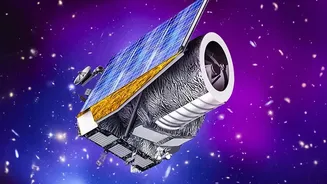
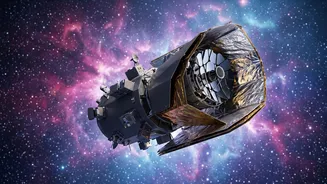
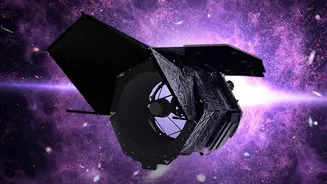
NASA has officially given the green light to the PRobe far-Infrared Mission for Astrophysics, or PRIMA. This isn't just another telescope; it represents the inaugural mission in a brand-new category called Probe Explorers. This initiative was born from
recommendations made in the 2020 Decadal Survey, which identified a strategic gap in NASA's portfolio. For years, the agency has operated small, agile Explorer missions and colossal, decade-spanning flagship observatories like the James Webb Space Telescope (JWST). The Probe class is designed to fit right in the middle. It aims to provide a cadence of powerful, medium-cost missions that can address high-priority science without the budget-altering scale of a flagship project. By establishing this new tier, NASA can pursue ambitious science more frequently and with greater financial predictability.
What Will PRIMA Actually Do?
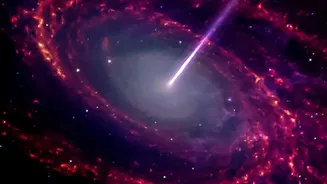
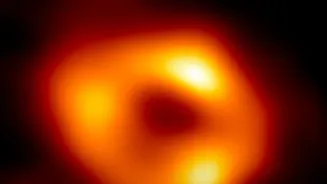
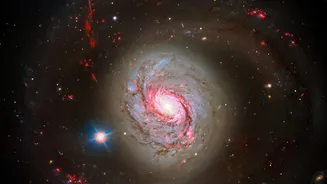
PRIMA is engineered to see the universe in a light that is invisible to the human eye and even to many other telescopes: the far-infrared spectrum. By studying these wavelengths, which can pierce through cosmic dust clouds, PRIMA will tackle fundamental questions about our universe's history. Its primary science goals include investigating how galaxies and their central supermassive black holes grow and evolve, tracing the origins of planets and their atmospheres, and understanding how dust and heavy elements—the building blocks of planets and people—have accumulated over cosmic time. Nicky Fox, an associate administrator at NASA, called the mission "humanity's next window into the deep universe," noting it will help us understand everything from the formation of stars to how water may have arrived on Earth.
Filling a Critical Observational Gap
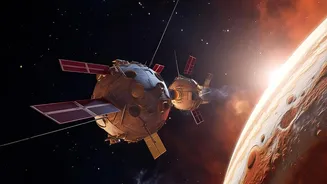
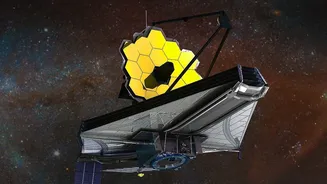
While telescopes like the Hubble and JWST have revolutionized astronomy, they have their specialities. PRIMA is designed to complement them by bridging the observational gap between the near- and mid-infrared light seen by JWST and the radio waves observed by ground-based arrays like ALMA. Many crucial cosmic processes, like the formation of water in the disks where planets are born, emit signals primarily in the far-infrared. This means there are key scientific questions that JWST simply can't answer. PRIMA will be equipped with a 5.9-foot (1.8-meter) mirror and highly sensitive detectors, cooled to just a few degrees above absolute zero to suppress the telescope's own heat, allowing it to detect faint signals from the distant universe. This makes it vastly more sensitive than previous far-infrared missions like Spitzer and Herschel.
The Billion-Dollar Question
A key part of the PRIMA story is its budget. The project's cost is capped at $1.2 billion, a figure that intentionally places it in the new mid-tier Probe category. This amount does not include the cost of the launch vehicle or certain other non-project expenses. For comparison, the James Webb Space Telescope cost roughly $10 billion to build and launch. This cost cap is not just a constraint; it's a core tenet of the Probe program's strategy. It forces mission designers to focus on specific, high-priority objectives and encourages the development of efficient, innovative technologies. This approach aims to deliver groundbreaking science without the immense budgetary and schedule pressures associated with flagship missions, allowing for a more sustainable and regular cadence of major scientific investigations.
The Road to a 2033 Launch
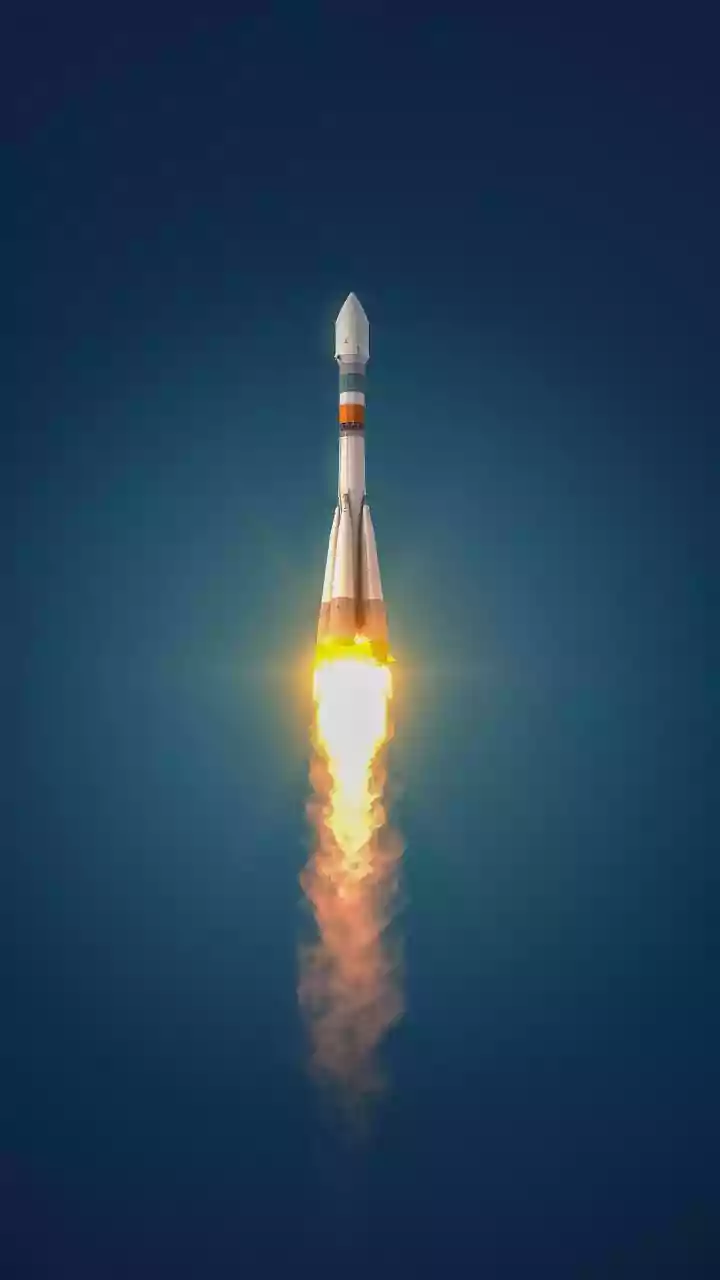
With its selection, PRIMA now moves into what NASA calls "Phase B," a stage focused on refining the preliminary design and maturing the necessary technology. The mission will be managed by NASA's Jet Propulsion Laboratory (JPL) and involves collaboration with several other NASA centers and international partners, including the space agencies of Canada, France, Germany, Japan, South Korea, and the United Kingdom. After this development phase, the mission will undergo a confirmation review to assess its technical progress, schedule, and cost performance before full implementation begins. If all goes according to plan, PRIMA is scheduled to launch no earlier than 2033 for a five-year mission to survey the cool cosmos.