

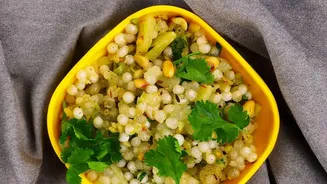
Beyond a Convalescent's Meal
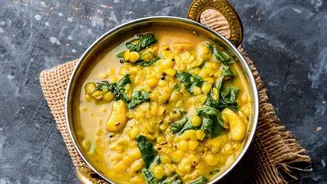
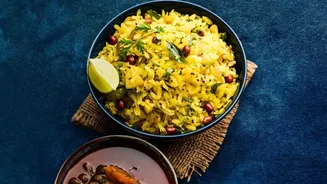
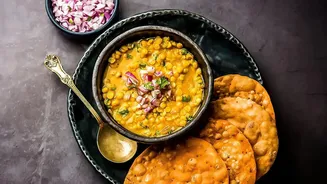
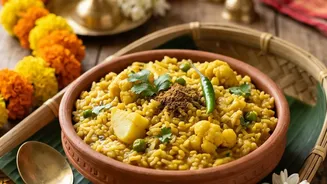
Khichdi's reputation as 'sick person food' is well-earned for its easy digestibility, but this perception overshadows its potential. At its core, the combination of rice and lentils creates a complete protein, providing all nine essential amino acids.
This nutritional powerhouse is not just for recovery; it's a foundation for a robust, satisfying meal any day of the week. By rethinking the core components—the dal, the vegetables, and especially the final tempering of spices known as the tadka—you can transform this simple porridge into a gourmet experience that is both healthy and deeply flavourful.
The Quick, Creamy Power of Red Lentils
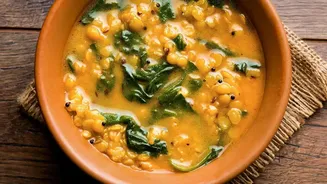
While moong dal is traditional, substituting it with red lentils (masoor dal) is a game-changer. Red lentils cook much faster, often in just 15-20 minutes, and don't require pre-soaking. They break down beautifully, lending the khichdi an exceptionally creamy and smooth texture without any extra effort. Nutritionally, red lentils are a superb source of plant-based protein, dietary fibre, iron, and potassium. Their high fibre content aids digestion and promotes a feeling of fullness, while their low glycemic index helps in managing blood sugar levels, making the dish even more wholesome.
Incorporating a Medley of Vegetables
Adding vegetables turns khichdi from a simple grain and legume dish into a complete one-pot meal. The key is knowing which vegetables to use and when to add them. Hardy vegetables like carrots, potatoes, cauliflower, and green beans can be added along with the rice and lentils to soften completely. For a bit more texture, you can lightly sauté them in ghee or oil before adding the grains. Delicate vegetables like spinach, peas, and chopped tomatoes should be stirred in during the last few minutes of cooking to retain their freshness and bite. This not only boosts the meal's vitamin and mineral content but also adds layers of colour, texture, and flavour.
The Art of the Tadka: Regional Flavour Bombs
The tadka, or tempering, is where the magic truly happens. It is the final, defining layer of flavour that elevates the entire dish. This technique involves frying whole or ground spices in hot ghee or oil to unlock their aromatic essential oils. Different regions in India have their own signature tadkas. For a North Indian touch, a simple sizzle of cumin seeds (jeera), asafoetida (hing), and perhaps some chopped ginger and dried red chilli in ghee is classic. Travel east, and you'll find the Bengali 'panch phoron'—a five-spice blend of cumin, fennel, nigella, mustard, and fenugreek seeds—fried in mustard oil for a pungent kick. In the South, a tadka of mustard seeds, curry leaves, dried red chillies, and a pinch of asafoetida provides a completely different but equally delicious flavour profile. Experimenting with these regional temperings is the easiest way to travel across India from your own kitchen.
Putting It All Together
The process is straightforward. Start by washing your rice and red lentils. In a pressure cooker or heavy-bottomed pot, you can either cook the grains and lentils with turmeric and salt first, or begin by sautéing some onions, ginger, and garlic before adding the grains and water. Add your chosen hard vegetables at this stage. While the khichdi simmers and reaches a soft, porridge-like consistency, prepare your tadka in a separate small pan. Heat ghee or oil, add your chosen whole spices, and let them crackle and become aromatic. Once the khichdi is cooked, pour the sizzling tadka over it and stir to combine. This final step infuses the entire dish with a burst of flavour and a rich aroma that makes all the difference.