





The Myth: Nature's Botox and Instant Glow
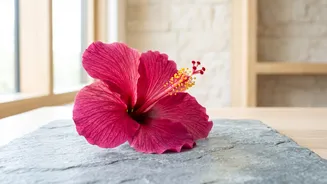
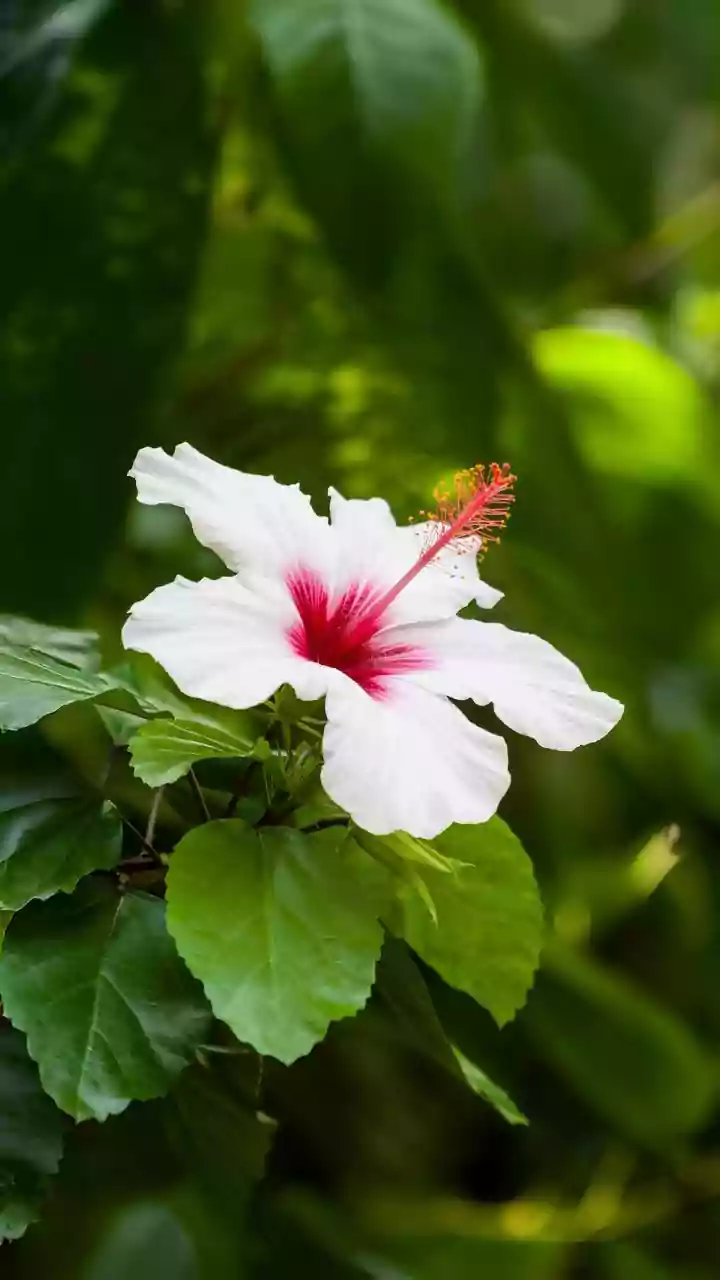
Scroll through social media or browse beauty aisles, and you'll likely encounter glowing praise for African Hibiscus, often referring to the Hibiscus sabdariffa species. Marketing materials frequently label it the "Botox plant," promising to firm skin,
smooth wrinkles, and deliver an instant, youthful radiance. The claims suggest a powerful, almost medicinal effect, positioning this single botanical as a cure-all for signs of aging. This narrative is compelling because it blends the appeal of natural ingredients with the promise of fast, dramatic results typically associated with clinical procedures. Consumers are led to believe that a serum or cream containing this extract can rival injectables, offering a needle-free path to flawless skin.
The Reality: A Lack of 'Miracle' Evidence
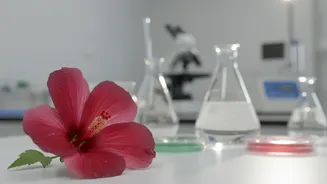
When it comes to skincare, the gold standard for evidence is the large-scale, double-blind, placebo-controlled clinical trial on a finished product. For the most dramatic claims made about topical African Hibiscus—like an instant lifting effect comparable to Botulinum toxin—this level of evidence is largely missing. While some studies on ingested hibiscus supplements have shown benefits for skin hydration and elasticity, these results cannot be directly applied to topical creams. The "Botox plant" nickname is particularly misleading. Botulinum toxin works by temporarily paralyzing muscles to smooth wrinkles. No plant extract applied to the skin's surface can replicate this function. The reality is that the most sensational claims are not supported by robust, independent scientific trials, making it crucial to look past the hype.
Underlying Mechanism 1: Potent Antioxidant Protection
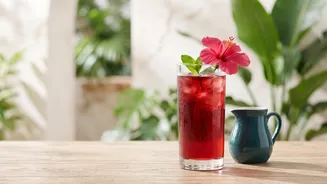
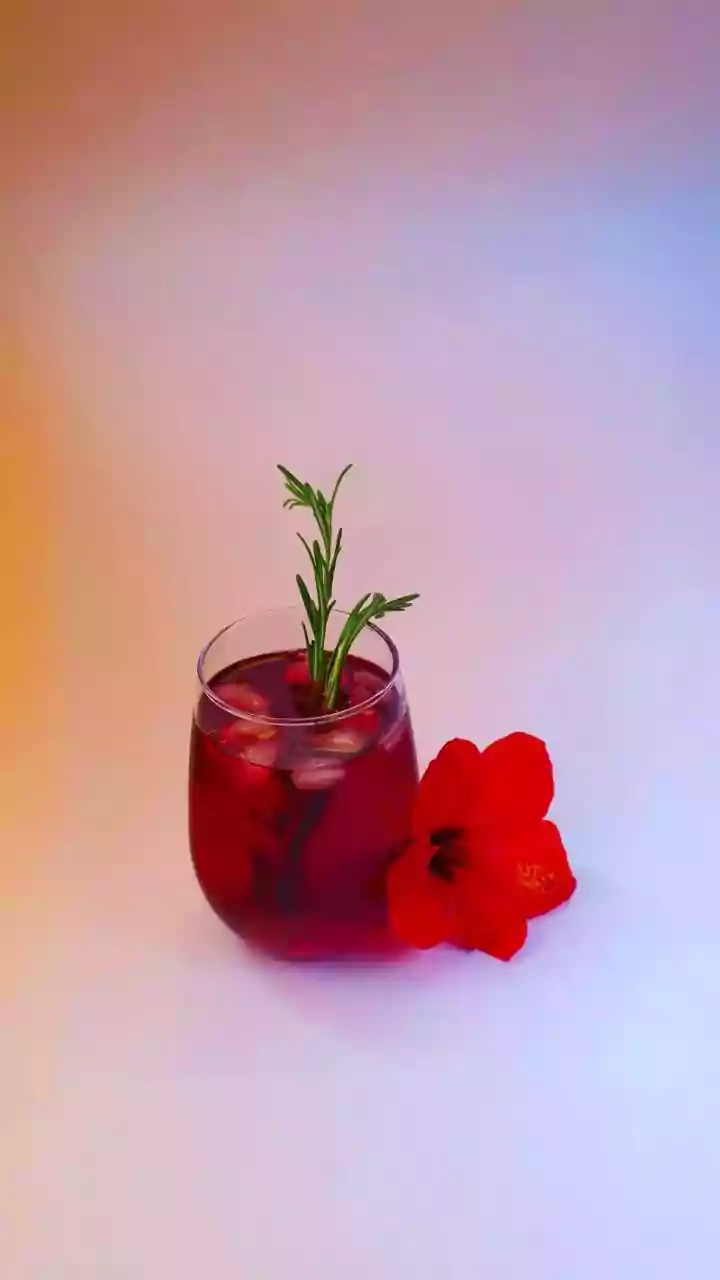
So, what does African Hibiscus actually do? Its primary, and most scientifically supported, benefit comes from its powerful antioxidant properties. Hibiscus flowers are rich in compounds called anthocyanins, the pigments that give them their deep red color. These anthocyanins are potent antioxidants that help neutralize free radicals—unstable molecules generated by UV radiation and pollution that damage skin cells and accelerate aging. Think of antioxidants as bodyguards for your skin, protecting it from daily environmental stressors. By mitigating this damage, hibiscus extract can help slow down the development of fine lines and maintain a healthier complexion over time. It's a protective, long-term benefit, not an overnight fix.
Underlying Mechanism 2: Gentle Exfoliation
Another key mechanism is gentle exfoliation. Hibiscus naturally contains organic acids like citric and malic acid. These are types of Alpha-Hydroxy Acids (AHAs), the same family of ingredients found in many popular chemical exfoliants. However, the concentration in a whole plant extract is much lower and gentler than in a dedicated AHA serum. These mild acids help to dissolve the bonds holding dead skin cells to the surface, promoting cell turnover. This process can lead to a brighter, more even-toned complexion and smoother skin texture over time. It can also help diminish the appearance of dark spots and hyperpigmentation. It's a subtle renewing effect, not a harsh peel.
Underlying Mechanism 3: Elastin Preservation
The "Botox plant" claim likely originates from in-vitro (test tube) studies showing that hibiscus extract can inhibit the activity of an enzyme called elastase. Elastase is responsible for breaking down elastin, one of the key proteins that keeps our skin firm and bouncy. By slowing down this enzyme, hibiscus extract may help preserve the skin's existing elastin, supporting long-term firmness and elasticity. This is a significant finding, but it's important to understand the context. Inhibiting an enzyme in a lab setting does not equate to freezing facial muscles. Rather, it points to a preventative anti-aging strategy that helps maintain the skin's structural integrity over the long haul.