








The Monsoon Mood and a Craving for Comfort
There's a distinct mood that settles in with the monsoon rains. The cooler air, the rhythmic sound of rainfall, and the desire to stay indoors create a cozy atmosphere. This environment also changes our cravings. On cool, damp evenings, our bodies often
seek warmth and comfort, not from just a blanket, but from our food. This is why the thought of a hot, steaming bowl of soup or a plate of freshly cooked khichdi is so appealing. Psychologically, these foods are often tied to nostalgia and feelings of safety and well-being. However, the high humidity can also slow down our digestion, making it important to choose foods that are both comforting and easy on the system. The last thing anyone wants on a rainy evening is to feel sluggish or unwell after a heavy, oily meal. The challenge, then, is to satisfy these cravings in a way that is both simple and healthful.
The Power of a Simple Plan
This is where meal planning, or more specifically, creating a small, rotating menu of core meals, becomes a game-changer. The idea isn't to create a rigid, complex schedule, but to reduce what's known as 'decision fatigue'. By having a handful of go-to dinner options, you eliminate the daily stress of figuring out what to cook. This simple strategy saves time, reduces last-minute trips to the store in the rain, and helps you make healthier choices. When you have a plan, you're less likely to resort to ordering takeout, which can be heavy and expensive. Instead, you have the ingredients on hand for a nourishing, home-cooked meal that perfectly suits the monsoon mood. This small amount of forethought frees up mental energy, allowing you to relax and actually enjoy the evening.
Building Your Core Monsoon Menu
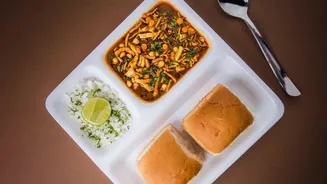
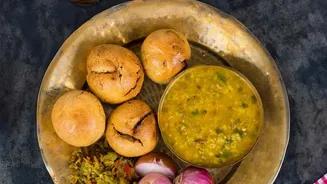
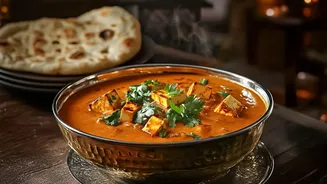
A good monsoon menu revolves around meals that are warm, freshly prepared, and easily digestible. According to both modern dietetics and Ayurvedic wisdom, this is the best approach during the rainy season to boost immunity and support gut health. Your core menu should include a mix of one-pot dishes, simple-to-assemble meals, and perhaps a healthier take on a classic fried snack. A great place to start is with three to five core recipes you can rotate. Think about meals like Masala Khichdi, a quintessential comfort food that is light on the stomach yet deeply satisfying. Another excellent option is a hearty lentil soup or dal, served with rice or roti. You could also include a simple vegetable pulao or a paneer bhurji served with pav. For those evenings when you crave a snack, having the ingredients for baked pakoras or a corn chaat means you can indulge without the extra oil.
Smart Prep for Even Simpler Evenings
Meal planning doesn't have to mean spending your entire Sunday in the kitchen. For monsoon evenings, the focus is on small, strategic prep that makes weeknight cooking faster. One of the most effective tips is to prepare a base of chopped onions, ginger, and garlic. Storing this mix in the fridge means you can start cooking almost immediately. You can also pre-soak legumes like moong dal or chickpeas. Washing and chopping hard vegetables like carrots and gourds ahead of time is another time-saver. Health experts advise being extra cautious with produce during the monsoon, so always wash vegetables thoroughly. Having these components ready transforms cooking from a chore into a quick, assembly-line process. Instead of spending an hour on dinner, you can have a warm, delicious meal on the table in under 30 minutes.