
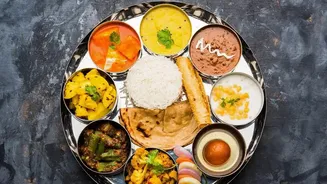
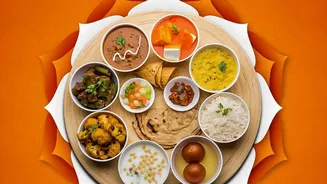

A Foundation of Gujarati Simplicity
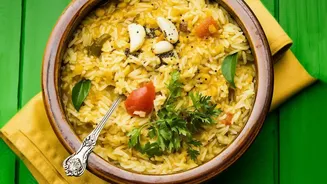
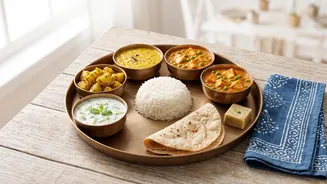
At the core of the Prime Minister's diet are the humble, comforting flavours of his home state, Gujarat. He is known to be fond of dishes that are easy to digest and light, reflecting a Sattvic food philosophy. The most frequently mentioned dish is Khichdi,
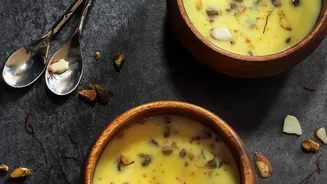
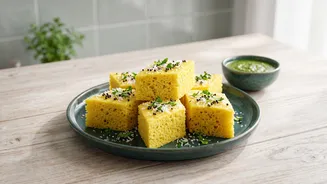
a simple preparation of rice and lentils that is a staple across India but holds a special place in Gujarati households. Often described as one of his favourite meals, it represents a return to basics—a nutritious, no-fuss dish that is both grounding and wholesome. Other Gujarati favourites like the steamed savoury cake Dhokla and the sweet yogurt-based dessert Shrikhand are also reportedly part of his preferences. These choices showcase a deep connection to his regional roots, bringing the simple, vegetarian cuisine of Gujarat into the national spotlight.
Championing India’s Ancient Superfoods
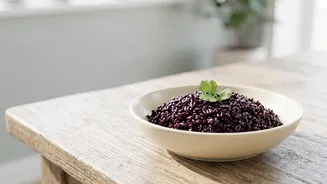
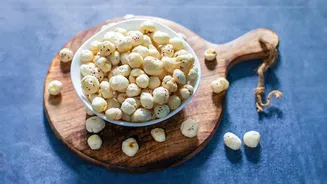
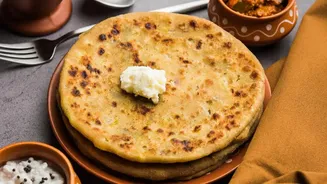
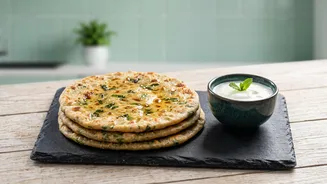
Beyond his home state, PM Modi's food choices often highlight a broader mission to revive and promote indigenous Indian grains and produce. He is a vocal advocate for millets, the nutrient-dense grains that have been part of Indian diets for centuries. By incorporating them into his own meals, he champions them as a sustainable and healthy alternative to more processed grains. Similarly, his fondness for Moringa (drumstick) Parathas has brought widespread attention to the benefits of the 'miracle tree', which is packed with vitamins and antioxidants. Another ingredient he has personally endorsed is Makhana, or fox nuts, a low-calorie, high-protein snack from the wetlands of Bihar. He reportedly mentioned eating it on most days, elevating a regional product to the status of a national superfood.
A Plate That Embraces a Diverse India
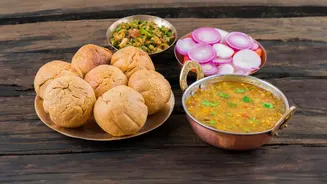
While his staple foods are rooted in Gujarat, the Prime Minister has often been seen embracing the culinary specialities of other regions, turning his plate into a symbol of national unity. During a visit to a craft fair in Delhi, he famously stopped to enjoy Litti Chokha, a hearty delicacy from Bihar, sharing his experience on social media and bringing the dish to mainstream attention. In Bengal, he has been known to enjoy Jhalmuri, a popular puffed rice snack. These public displays of culinary exploration are more than just photo opportunities; they are a powerful form of cultural outreach. By savouring regional delicacies, he sends a message of appreciation and connection to different parts of the country, acknowledging that India's identity is woven from its diverse local cultures.
Food as a Form of Soft Diplomacy
The Prime Minister's interest in regional food extends to his role on the world stage, where he has used India's agricultural diversity as a tool of soft diplomacy. When hosting foreign dignitaries or travelling abroad, the menus often feature Indian superfoods and regional specialities. Furthermore, he has reportedly gifted GI-tagged agricultural products to world leaders, such as Kesar mangoes from Gujarat and pineapples from Meghalaya. This act of gifting showcases the unique bounty of different Indian states, promoting them on a global platform. By doing so, 'Vocal for Local' becomes more than a slogan; it becomes a tangible experience, shared through the universal language of food. The message is clear: India's strength lies in its diverse, high-quality local produce.