

The End of the ‘Or’ Holiday
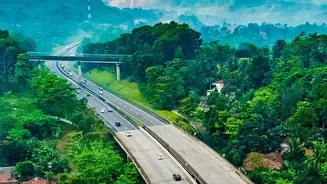
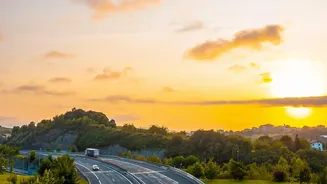
A quiet revolution is reshaping how Indians explore their own country. The choice is no longer between 'this' or 'that' destination, but rather 'this' and 'that'. The driver of this change is a massive upgrade in national infrastructure. World-class expressways
and a growing network of semi-high-speed trains are shrinking distances, turning what were once multi-day slogs into comfortable day trips. This connectivity boom is unlocking the potential for multi-destination holidays, allowing travellers to seamlessly combine diverse experiences—from heritage sites to wildlife sanctuaries and bustling cities—into a single, cohesive itinerary. The age of the multi-stop road trip and the rail-linked circuit is truly here.
Road Tripping Redefined: The Expressway Effect
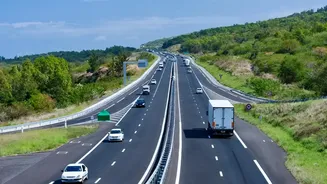
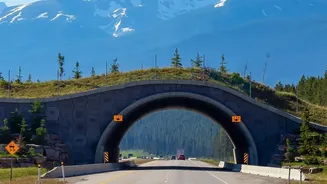
India's new expressways are more than just stretches of tarmac; they are tourism corridors. Take the Delhi-Mumbai Expressway. This artery doesn't just connect two metros in a fraction of the previous time; it weaves together a tapestry of destinations. A traveller can now start in Delhi, explore the heritage forts of Jaipur, detour for a safari in Ranthambore or Sariska, and then drive towards the vibrant culture of Ahmedabad, all within one holiday. Similarly, the Samruddhi Mahamarg in Maharashtra creates a pilgrimage and heritage circuit linking Shirdi, Nashik, and the awe-inspiring Ajanta and Ellora caves. The Bundelkhand Expressway has done the same for Central India, bringing Khajuraho, Orchha, and Chitrakoot into an easily navigable loop. These roads offer not just speed, but also enhanced safety and amenities, making long-distance driving a pleasure rather than a challenge.
Riding the Rails to New Adventures
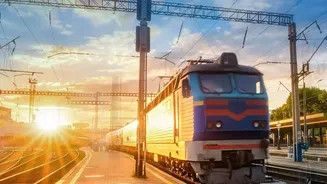
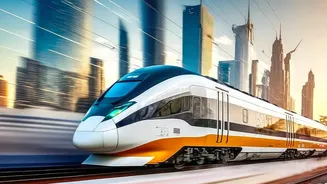
It’s not just roads that are transforming travel. The Vande Bharat Express network has become a game-changer for domestic tourism, particularly for weekend trips and linking major hubs. By August 2026, the network had expanded to 82 routes, significantly cutting travel times. The Delhi-Katra route, for instance, has revolutionised pilgrimage travel to Vaishno Devi. The Delhi-Ajmer service offers easy access to the Dargah Sharif and nearby Pushkar. For culture enthusiasts, routes now directly connect travellers to UNESCO World Heritage Sites. The Banaras-Khajuraho train links two iconic destinations, while the services to Agra, Mysuru, and Shirdi make visiting cultural landmarks faster and more comfortable than ever. These air-conditioned, high-comfort trains are encouraging travellers to leave the car behind and enjoy a relaxed journey, arriving fresh and ready to explore.
How to Plan Your Multi-Stop Itinerary
Inspired to plan your own multi-destination trip? The new logic is simple: follow the new infrastructure. Start by looking at a map of the latest expressways and Vande Bharat routes. You will see new clusters of destinations emerge. For example, the Delhi-Amritsar-Katra Expressway opens up a journey through Haryana's history, Punjab's spiritual centres, and Jammu's scenic beauty. The Vande Bharat to Dehradun makes it easy to combine a city break with a quick trip to Mussoorie or Rishikesh. Use online mapping tools to check driving times along new expressways and consult the latest railway timetables. Instead of planning a trip to a single place, think about planning a trip along a corridor. This new approach allows for more spontaneity and a richer, more varied travel experience.