




Choosing a mattress often comes down to one key feeling: do you prefer the responsive 'bounce' of a spring bed or the contouring 'hug' of foam? This single difference in feel can significantly impact your sleep quality and overall comfort.
The Science of Bounce: Coils vs Contours
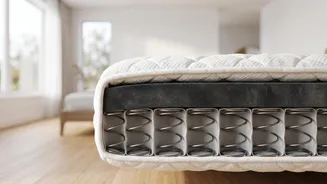
The defining
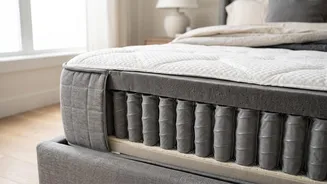
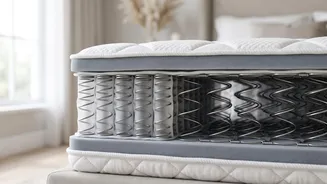
characteristic of a traditional innerspring mattress is its core of steel coils. These springs compress when you lie down and immediately push back, creating a responsive, buoyant surface. This is what we perceive as 'bounce'. It makes the mattress feel lively and easy to move on. In contrast, foam mattresses, particularly those with memory foam, are designed for the opposite effect. Their job is to absorb energy and conform to your body's shape, which provides excellent pressure relief by distributing your weight evenly. This slow, adaptive response means foam has very little bounce, creating a feeling of being cradled or 'hugged' by the mattress.
The Case for a Bouncier Bed
A mattress with more bounce, like an innerspring, offers several distinct advantages. The responsive surface makes changing positions throughout the night feel effortless, which is a major plus for combination sleepers who shift from their back to their side or stomach. Getting in and out of bed is also easier, as the springs provide an assistive push. Another significant benefit of the coil structure is airflow. The open space between the springs allows air to circulate freely, which helps dissipate body heat and can lead to a cooler night's sleep. This makes innerspring models a popular choice for people who tend to sleep hot.
The Comfort of a Quieter Coccoon
While spring mattresses excel in responsiveness, foam mattresses win on two other important fronts: pressure relief and motion isolation. For side sleepers, the way memory foam contours to the shoulders and hips can significantly reduce pressure on those major joints. This body-hugging quality can lead to a feeling of deep, cushioned support. Furthermore, foam is exceptional at absorbing movement. If you share a bed with a partner who tosses and turns, a foam mattress will transfer very little of that motion, allowing for a more undisturbed sleep. Because they have no moving parts, foam beds are also completely silent.
Who Prefers Which Feel?
Ultimately, the choice is highly personal. You might prefer a spring mattress if you want a more traditional feel where you sleep 'on' the bed rather than 'in' it. They are often favoured by stomach and back sleepers who need firmer support to keep their spine aligned. The bounce is also often cited as being better for intimate activities. On the other hand, you might prefer a foam mattress if you are a side sleeper or suffer from joint pain and need targeted pressure relief. Couples often gravitate toward foam for its superior motion isolation. Heavier individuals might find the push-back support of coils more durable, while lighter individuals may get better contouring from foam.
The Best of Both Worlds: Hybrid Mattresses
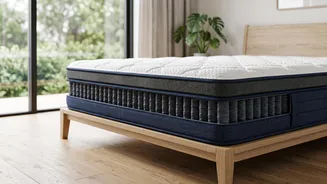
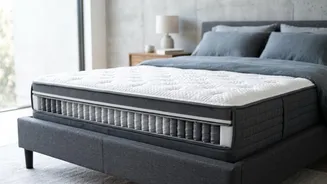
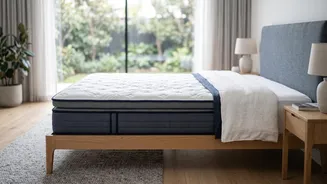
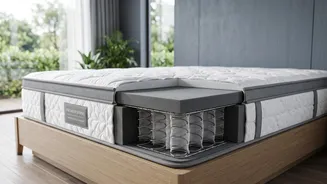
For shoppers who find themselves torn between the two, the mattress industry has created a popular solution: the hybrid. A hybrid mattress combines a support core of coils—often individually wrapped pocketed coils for better motion isolation—with significant top layers of foam or latex. This design aims to deliver the benefits of both types: the bounce, support, and airflow from the springs, plus the pressure relief and contouring comfort from the foam. Hybrids provide a balanced feel that appeals to a wide range of sleepers, offering cushioning without the 'stuck' feeling some dislike in all-foam beds.