



The Big Three: More Than Just a Base
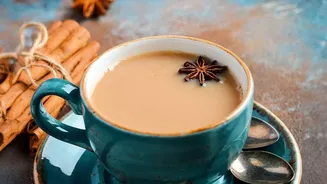
Before we dive into regional specialties, it's worth knowing the titans of Indian tea production. Assam, from the country's northeast, provides the bold, malty, and robust black tea that forms the base for many masala chais. It's strong, full-bodied,
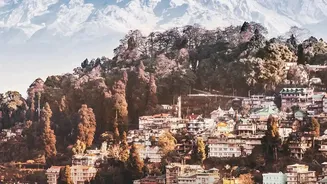
and stands up well to milk and sugar. Then there's Darjeeling, the 'Champagne of teas', grown in the Himalayan foothills of West Bengal. It is much lighter, with a delicate, floral, and sometimes fruity or musky flavour ('muscatel') that is best enjoyed without milk. The third major player is Nilgiri tea, from the Blue Mountains of South India. This brew is intensely aromatic, bright, and smooth, with subtle citrus or floral notes, making it wonderfully refreshing and a popular choice for iced tea.
Kashmiri Noon Chai: The Savoury Pink Tea
Travel to the Kashmir Valley, and you'll find a tea that defies all expectations. Noon Chai, also known as Sheer Chai or Gulabi Chai, is a beautiful, creamy pink beverage with a savoury taste. Made from special green tea leaves (often gunpowder tea), milk, a pinch of baking soda, and salt, it’s a hallmark of Kashmiri hospitality. The unique pink colour comes from a chemical reaction between the chlorophyll in the tea leaves and the baking soda, which is intensified by a process of aeration. Traditionally prepared in a samovar, this comforting, salty brew is often garnished with crushed almonds and pistachios and served with local breads.
Sulaimani Chai: The Golden Brew of Malabar
Head south to the Malabar Coast, particularly in Kerala, and you'll discover Sulaimani Chai. This is a light, golden-hued black tea brewed without a drop of milk. Its origins trace back to Arab traders and a beverage called 'ghava'. Over time, it evolved on Indian shores into a refreshing and digestive drink. Sulaimani is typically infused with spices like cardamom, cloves, and cinnamon, and finished with a squeeze of fresh lemon juice, which gives it a signature sweet and sour taste. It's often enjoyed after a heavy meal, as the combination of spices and lemon is believed to aid digestion.
Gur Gur Chai: The Energising Butter Tea of Ladakh
In the high-altitude, cold deserts of Ladakh, tea serves a more functional, energy-giving purpose. Enter Gur Gur Chai, or Tibetan Butter Tea, a staple in Himalayan regions. This unique concoction is made by boiling tea leaves for an extended period, then churning the brew with salt and, traditionally, yak butter. The result is a thick, warming, and highly caloric beverage that helps locals combat the harsh, cold weather. The butter also helps prevent chapped lips in the dry mountain air. For those accustomed to sweet, milky tea, this savoury, buttery brew is a truly adventurous taste of the mountains.
Beyond the Brews: Regional Variations Abound
This journey only scratches the surface. India is home to countless other tea traditions. From the 'Cutting Chai' of Mumbai, a small but strong shot of sweet masala tea, to the fragrant Kashmiri Kahwa, a green tea infused with saffron, cinnamon, and cardamom, the variations are endless. The Kangra region in Himachal Pradesh produces delicate green and black teas, while places like Sikkim and Tripura have their own burgeoning tea cultures. Each cup tells a story of local ingredients, climate, and cultural history, proving that the world of Indian tea is far more diverse and exciting than many of us imagine.