




Our Skies Are Getting Crowded
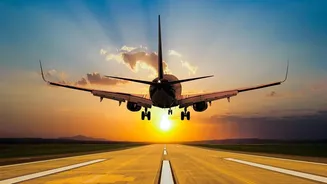
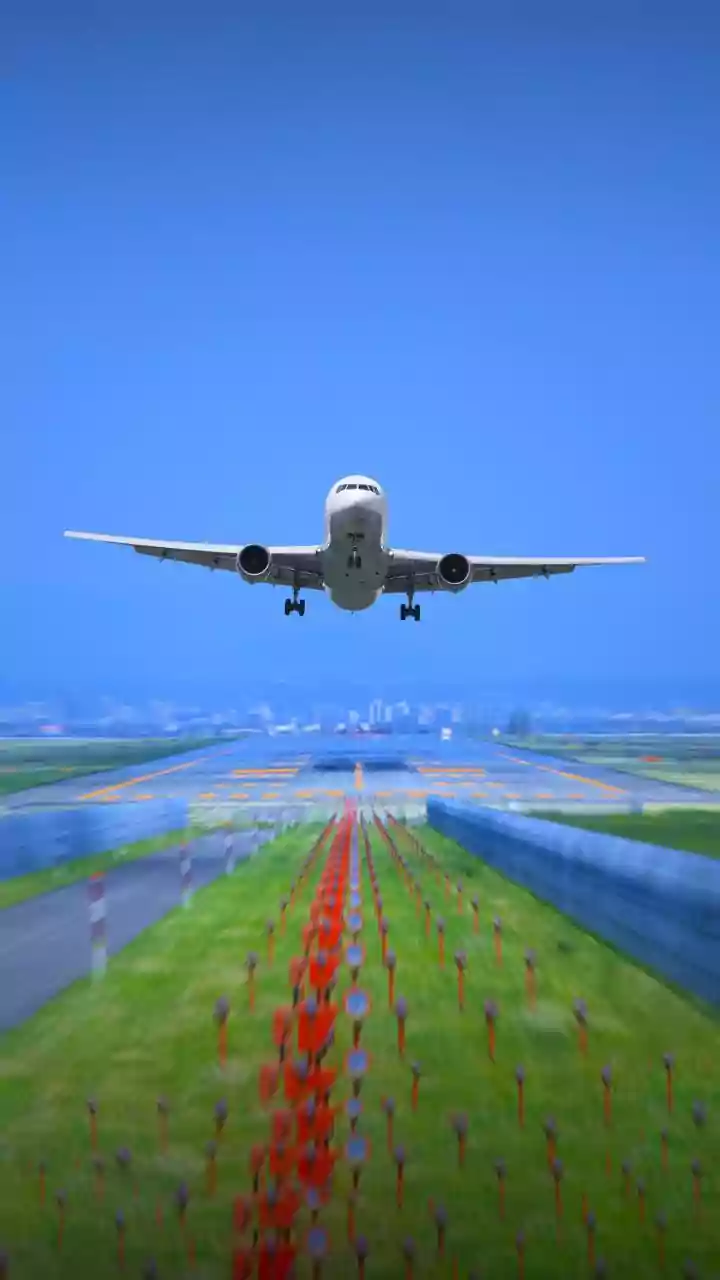
India's domestic aviation market is on a remarkable growth trajectory. In the first half of 2026 alone, Indian airlines carried over 86 million passengers, a noticeable increase from the previous year. Data from the fiscal year ending in March 2026 showed
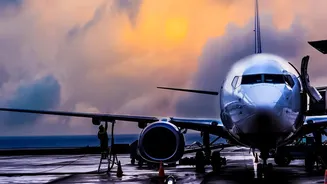
that total domestic passenger traffic reached nearly 168 million, confirming a steady, albeit modest, year-on-year growth. This boom is a clear indicator of a recovering and expanding economy, with more Indians opting for the speed and convenience of air travel. Major carriers are operating at high passenger load factors, often exceeding 85%, which signifies that planes are flying fuller than ever. This surge, fueled by competitive fares and expanding networks under schemes like UDAN, is turning India into one of the world's most dynamic aviation markets. However, this success in the skies is putting immense pressure on the infrastructure on the ground.
The Journey After the Journey
The 'last mile' refers to the final leg of a passenger's journey: the trip from the airport terminal to their home, hotel, or office. While a flight from Delhi to Mumbai might take two hours, the journey from Mumbai's airport to a destination in South Mumbai can easily take just as long, if not longer, especially during peak traffic. This last-mile gap is a growing point of friction for travelers. The problem isn't just about time; it's a complex mix of traffic congestion, inadequate public transport options, and often, high costs for available services. As airports handle more passengers, the demand for taxis, ride-hailing services, and public transit skyrockets, creating bottlenecks that extend for kilometers beyond the airport premises.
The Real Cost of Landing
The cost of the last mile is becoming a significant, and often frustrating, part of the overall travel budget. While airfares have become more competitive, the price of getting out of the airport can be startlingly high. A taxi or ride-hailing service from the airport to a city center in major metros like Delhi, Mumbai, or Bengaluru can range anywhere from ₹500 to ₹1500 or more, depending on distance, time of day, and demand-driven surge pricing. This financial cost is compounded by the 'time cost'—the lost productivity and personal time spent stuck in traffic. For business travelers, this delay can mean missed meetings and lost opportunities. For leisure travelers, it marks a stressful start or end to a trip. The sensory overload of navigating confusing prepaid taxi systems or finding designated app-based pickup zones, which are often located far from the arrivals hall, further adds to the challenge.
Why the Last Mile is the Hardest
Several factors contribute to India's worsening last-mile problem. Many of the country's newer airports were built on the outskirts of cities to accommodate large land requirements. While this was practical for aviation, it created a disconnect from existing urban transport grids. Urban sprawl has meant that cities have grown around these airports, but road infrastructure has often failed to keep pace with the exponential rise in both air and regular city traffic. While some cities have introduced metro connectivity to airports, the integration is not always seamless, and coverage may not extend to all parts of the city, forcing travelers to make multiple changes. This infrastructure lag means that the systems designed to get people to and from airports are struggling to cope with the sheer volume of passengers that domestic aviation growth has unleashed.
Paving a Path Forward
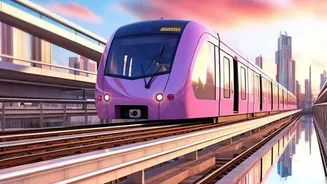
Addressing the last-mile challenge requires a multi-pronged approach. Experts and government bodies are actively exploring solutions. Expanding metro and rail networks to create seamless airport connections is a top priority, as is improving feeder services like buses from train stations to airport terminals. In February 2026, the Airports Authority of India (AAI) signed a pact with a cooperative taxi service to provide regulated, surge-free cab options at several regional airports, signaling a move towards more passenger-friendly transport. Furthermore, technology and innovative mobility solutions are being considered, from better-integrated ride-hailing services to long-term visions of Urban Air Mobility (UAM) using electric vertical take-off and landing (eVTOL) aircraft to bypass ground congestion entirely. These initiatives show a growing recognition that a flight is only truly over when the passenger reaches their final destination, safely and efficiently.