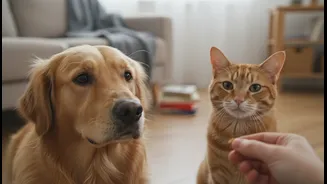






Beyond the Obvious Signs
When we think of a pet in pain, we often picture a dog yelping or limping. While these are clear indicators, most signs of discomfort are far more subtle. Because animals have a natural instinct to hide vulnerability, they often mask their pain, a behaviour
that can make it difficult for even the most attentive owner to notice when something is amiss. Recognizing pain is less about looking for a single dramatic sign and more about noticing changes from your pet's normal baseline. A shift in their usual behaviour, energy, or routine is often the first clue that they aren't feeling their best. Paying close attention to these small deviations is one of the most important things you can do for their health and well-being.
Changes in Posture and Movement
How a pet carries itself can speak volumes. An arched or hunched-down back, a tucked tail, or a general stiffness can indicate pain. You might notice your dog is reluctant to climb stairs or your cat no longer jumps onto its favourite perch. These hesitations are often attempts to avoid pain from conditions like arthritis or an injury. Other postural clues include repeatedly shifting weight, sitting with a leg cocked out to the side, or struggling to get up from a lying-down position. Even subtle changes in facial expressions, like squinting, flattened ears, or a tense jaw, can signal discomfort.
Shifts in Daily Routines
A change in your pet's established habits is a significant red flag. A decreased appetite or thirst is a common sign that something is wrong. Discomfort while eating could point to dental issues, while a general loss of appetite can signal many underlying problems. Grooming habits are another key indicator. A pet in pain may stop grooming, leading to an unkempt or matted coat. Conversely, some animals may excessively lick or chew one specific area in an attempt to soothe localized pain. Changes in sleep can also be telling; a pet that is suddenly sleeping much more, or seems restless and unable to get comfortable, could be in distress.
Vocal and Behavioural Changes
While some pets become more vocal when in pain—with increased whining, whimpering, or meowing—others become unusually quiet. A cat's purr isn't always a sign of happiness; they sometimes purr as a way to self-soothe when they are hurt or stressed. Behavioural shifts are just as critical. A normally social and friendly pet might become withdrawn, irritable, or even aggressive. They may start hiding or avoid being touched. A lack of interest in toys, walks, or other activities they usually enjoy is a common sign of discomfort. These changes aren't your pet developing a bad attitude; they are often a cry for help.