



The Great Awakening: A Matter of Survival
The sudden appearance of these creatures is not a coincidence but a coordinated survival strategy triggered by the monsoon. For much of the hot, dry season, many animals enter a state of dormancy to escape the harsh conditions. This summer sleep, known
as aestivation, is similar to hibernation but occurs in response to heat and drought rather than cold. During aestivation, animals like frogs and snails find cool, moist places to hide, significantly slowing their metabolism to conserve water and energy. The arrival of the monsoon, with its life-giving water and high humidity, is the alarm clock that wakes them. It signals that conditions are once again ideal for them to be active, find food, and, most importantly, reproduce.
Amphibian Celebrations: The Return of the Frogs
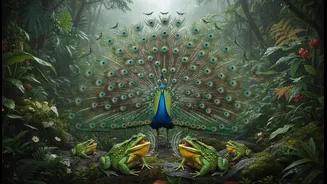
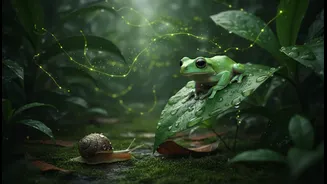
Frogs have a deep connection to water. As amphibians, they have permeable skin that must remain moist to help them breathe. The dry season is a dangerous time for them, as they can easily dehydrate. To survive, many species burrow deep underground, coating themselves in a protective layer of mucus to retain moisture and entering a state of torpor. When the rains finally arrive, it's a race against time. The downpour soaks the ground, waking them from their slumber. The primary reason for their frantic emergence is breeding. Most frog species lay their eggs in water, and their tadpoles are entirely aquatic. The monsoon creates temporary pools and fills ponds, providing the perfect nurseries for the next generation. The loud choruses of croaking you hear on rainy nights are male frogs singing to attract mates, eager to take advantage of the wet conditions.
Nature's Lanterns: The Firefly Mating Dance
The pre-monsoon and early monsoon period is famous for the enchanting light shows put on by fireflies. These nocturnal beetles use a chemical reaction called bioluminescence to produce their signature glow. The primary purpose of this flashing is communication, especially for mating. Male fireflies create specific flash patterns to attract females, who respond with their own signals. The high humidity of the monsoon season is crucial for fireflies. It keeps their soft bodies from drying out and creates the ideal conditions for their reproductive cycle. The abundance of moisture also means more snails and slugs for their larvae to feed on. The magical synchronised flashing seen in forests, especially in places like the Western Ghats, is a mass mating ritual that happens during this specific seasonal window.
The Slow March: Snails on the Move
Like frogs, snails are highly dependent on moisture. Their soft bodies can lose water rapidly, and they need a damp environment to move around. The mucus or "slime" they produce reduces friction and allows them to glide, but it works best on wet surfaces. During dry spells, snails retreat into their shells and seal the opening with a layer of dried mucus called an epiphragm, effectively entering aestivation. Some can remain in this dormant state for months. When the monsoon begins, the rain dissolves this seal and moistens the ground, making it safe to venture out. This is the perfect time for them to search for food, like decaying plant matter, and to find a mate. The softened soil also makes it easier for them to lay their eggs. So, when you see dozens of snails crawling across paths after a downpour, they are simply making the most of the ideal wet conditions.