


A Discovery Millions of Years in the Making
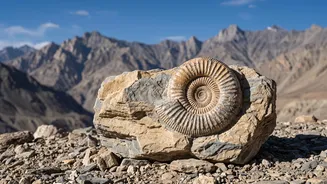
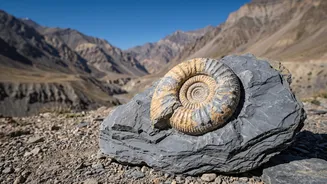
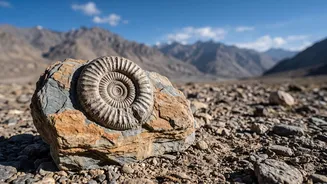
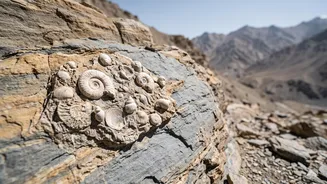
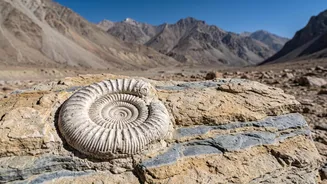
In the remote, windswept Changthang region of eastern Ladakh, geologist Dr. Ritesh Arya has uncovered a treasure trove of marine fossils. The find, located near Nyoma, consists of a rich collection of well-preserved sea life dating back an estimated 34
to 38 million years to the Eocene epoch. Dr. Arya, the founder of the Tethys Fossil Museum, made the breakthrough during a recent geological expedition, yielding what could be a pivotal clue in the story of the Himalayas' formation. While he had found initial traces in the area in 2018, this new collection is far more extensive, providing a clearer window into a world that existed long before the mountains reached for the sky.
An Ancient Seabed Revealed
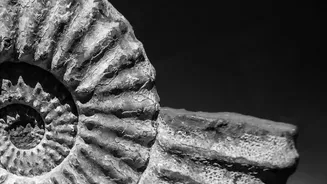
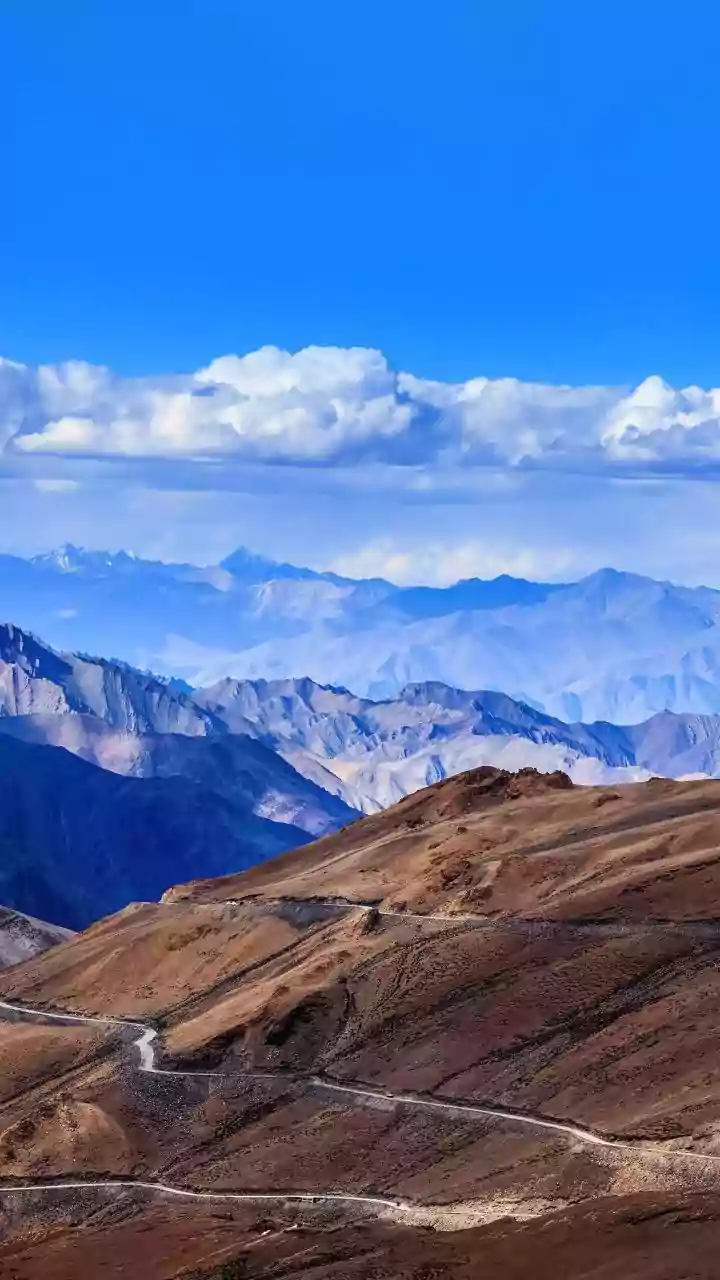
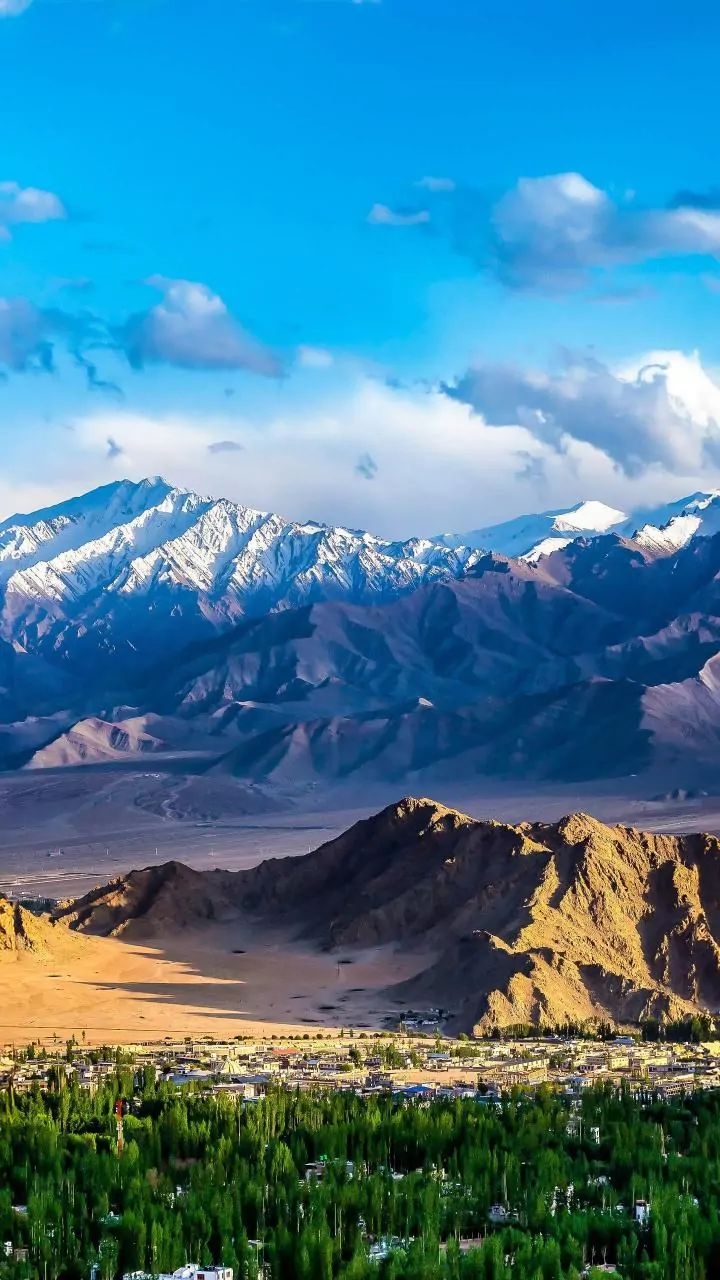
The fossils unearthed are not of massive sea monsters, but of smaller, yet equally significant, creatures. The collection is dominated by spiral-shaped gastropods (similar to modern snails), bivalves, and oyster-like specimens. According to Dr. Arya, these fossils bear a striking resemblance to those typically found in the Subathu Formation of the outer Himalayas, but finding them so deep within Ladakh was a genuine surprise. Their presence strongly suggests that nearly 40 million years ago, this now arid, high-altitude desert was a warm, shallow sea, fringed by a subtropical coastline. The fossils tell a story of a vibrant coastal environment that bears no resemblance to the cold, dry landscape of Nyoma today.
The Ghost of the Tethys Ocean
So, how did an ocean get trapped in the Himalayas? The answer lies in the monumental story of plate tectonics. For millions of years, an ancient body of water known as the Tethys Sea separated the Indian subcontinent from the larger Eurasian landmass. As the Indian plate drifted relentlessly northward, this ocean began to shrink. Around 50 million years ago, the two landmasses collided in a slow-motion crash of unimaginable force. This collision buckled and folded the earth's crust, thrusting the seabed of the Tethys skyward. The rocks that once formed the ocean floor were lifted thousands of metres, eventually becoming the peaks of the Himalayas, the world’s youngest and tallest mountain range. The fossils found in Nyoma are physical echoes of this long-vanished sea.
Why Nyoma Is a Geological Hotspot
The Nyoma region has long been a point of interest for paleontologists. Previous research in the area, including studies by the eminent paleontologist Professor Ashok Sahni, had uncovered fossils of freshwater fish, plants, and other vertebrates. Those findings painted a picture of ancient lakes and rivers. This new discovery of marine fossils adds a crucial and complex layer to that history. It suggests that the marine environment of the Tethys Sea, specifically a part known as the Subathu Sea, extended much farther east into Ladakh than previously thought. It marks Nyoma as a critical transition zone, a place where scientists can study the shift from a marine environment to the freshwater systems that followed as the sea retreated and the mountains rose.
Rewriting Our Understanding of the Himalayas
This discovery does more than just add a new pin to the paleontological map. It could reshape our understanding of Himalayan geography during the Eocene period. By confirming a marine presence deep in Ladakh, scientists can better chart the final moments of the Tethys Ocean before the continental collision sealed its fate. These fossils provide tangible proof that beneath the frozen peaks and barren plains of Ladakh lie the silent shorelines of an ancient sea. While further analysis is needed to confirm the exact age and species, the find has been praised by experts like Prof. Sahni as a landmark discovery. It underscores just how dynamic our planet is, and how even the most imposing landscapes hold secrets of a vastly different past.