




From Folklore to Fascination
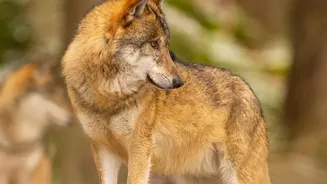
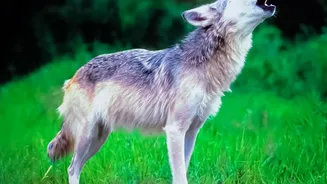
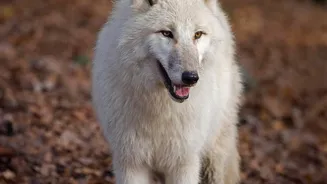
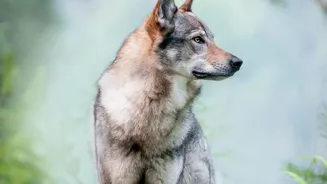
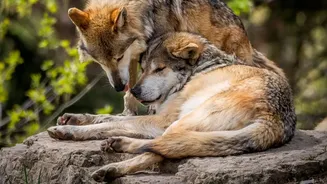
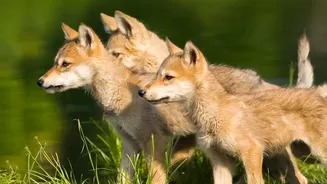
For generations, the wolf was a figure of fear, pushed to the most remote corners of the continent. Today, that story is changing. With an estimated 23,000 wolves now roaming across 34 countries, the perception is shifting from menace to marvel. This
resurgence has sparked a new kind of travel, where tourists armed with binoculars and patience venture into the wilderness, not to hunt, but to catch a glimpse of this elusive animal. Regions like Spain's Sierra de la Culebra, Italy's Abruzzo National Park, and parts of Poland and Romania are becoming hotspots. These are often rural areas facing depopulation and economic decline, where the howl of a wolf now signals a potential economic lifeline.
Counting the Economic Paw Prints
The economic argument for wolf tourism is compelling: a wolf seen by hundreds of tourists over its lifetime can generate far more revenue than a wolf that is culled. The financial benefits ripple through local economies. Visitors pay for specialist guides, book stays in family-run guesthouses, eat at local restaurants, and buy regional products. In Spain's Sierra de la Culebra, one of the most established wolf-watching destinations, a 2012 study estimated that wolf-related tourism brought in around €450,000 annually for hotels and restaurants alone. In some cases, up to 80% of hotel visitors cited wolves as the primary reason for their visit. This influx of cash supports jobs and helps sustain communities where traditional industries like agriculture may be struggling.
The Challenge of Measurement
Despite these clear benefits, putting a precise figure on the total economic value of wolf tourism is notoriously difficult, and the headline's claim that it is 'still being measured' holds true. The core problem is attribution. How much of a tourist's spending is directly because of wolves? A visitor might be in a national park for hiking, birdwatching, and general nature appreciation, with wolf tracking being just one component of their trip. Separating the 'wolf premium' from general nature tourism spending requires detailed surveys and complex economic models, which are often lacking. Furthermore, wolves themselves are elusive. Sightings are not guaranteed, making it a challenging product to market compared to more predictable wildlife encounters. As a result, many assessments remain localized, and a comprehensive, continent-wide valuation is yet to be done.
Tourism as a Conservation Tool
Beyond the direct cash flow, wolf tourism plays a crucial role in conservation. By creating a tangible economic value for a living wolf, it provides a powerful incentive for local communities to support conservation efforts. This is particularly important in areas with human-wildlife conflict, where wolves may prey on livestock. When locals benefit from tourism, the wolf can be seen less as a liability and more as a shared resource, fostering a culture of coexistence. Tour operators often contribute directly to conservation projects, and guided excursions educate visitors about wolf behaviour and the importance of habitat preservation, turning tourists into advocates. This creates a virtuous cycle where tourism funds conservation, and successful conservation enhances the tourism product.