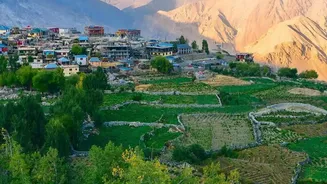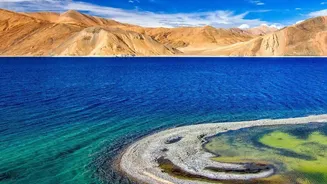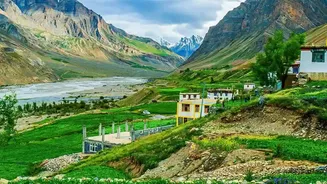

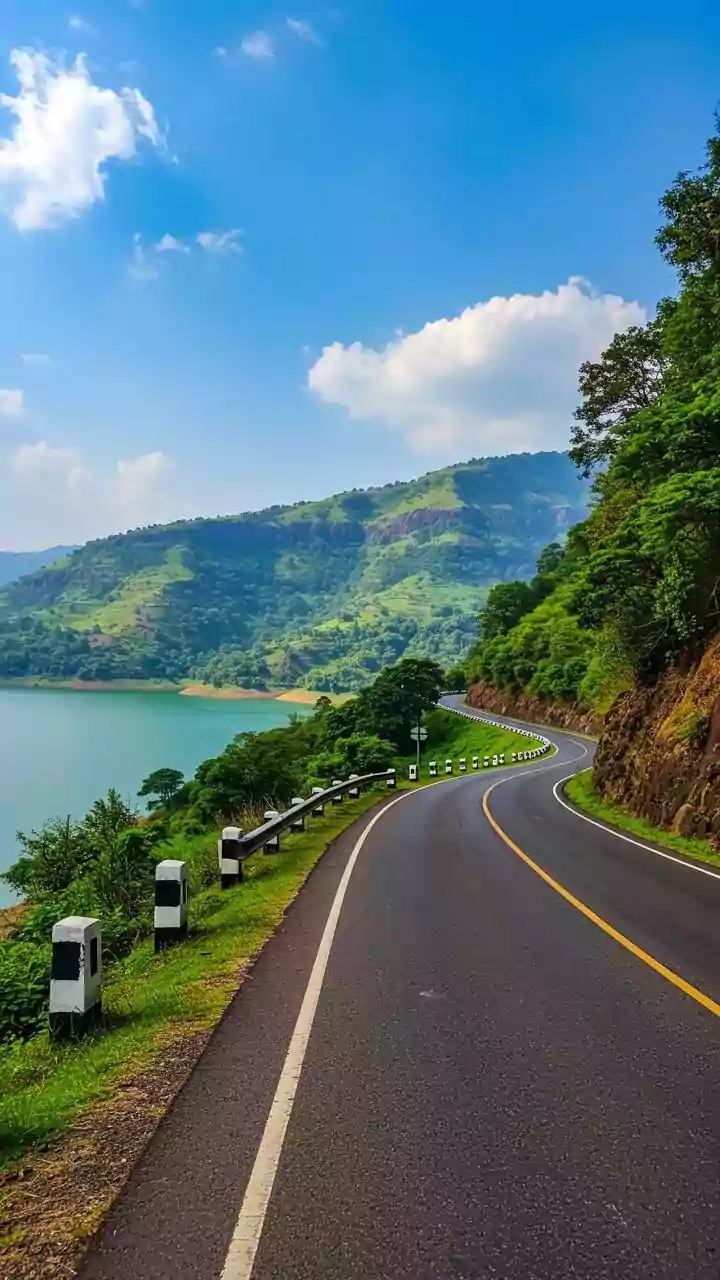

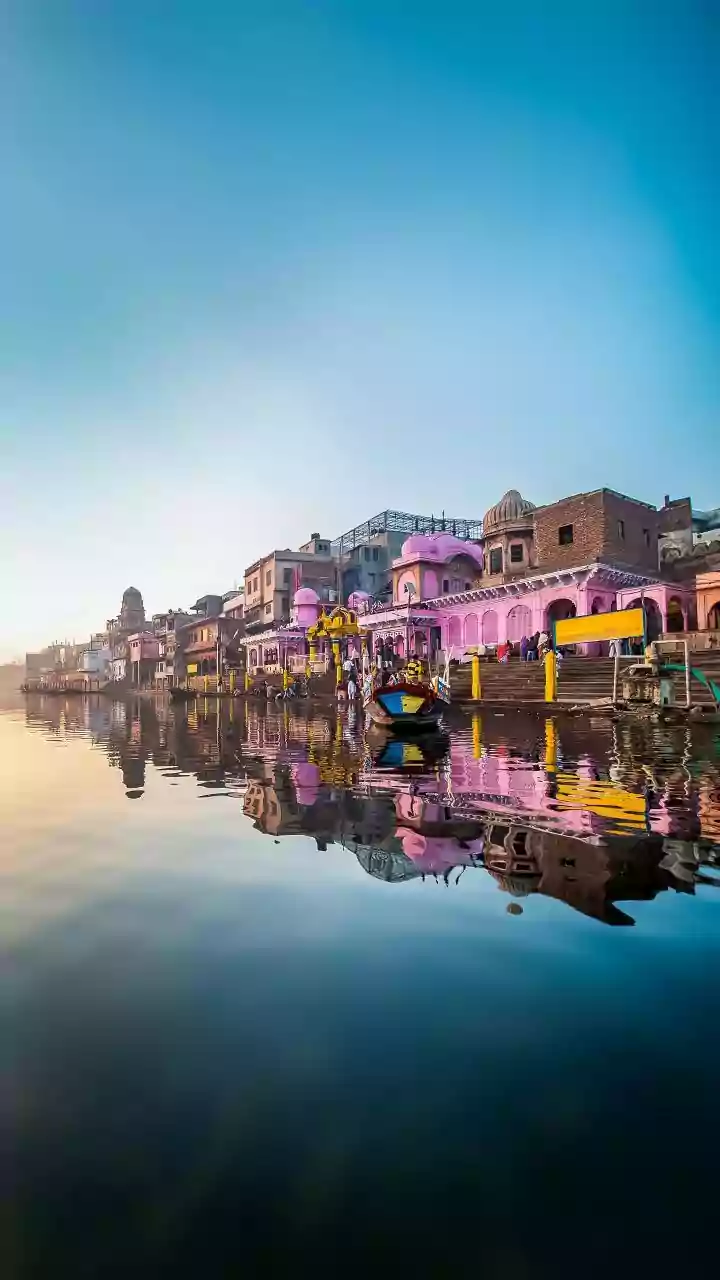

Beyond Ladakh's famed magnetic hills and vast blue lakes lies a quieter charm. In places like Choglamsar and Stakna, visitors can discover pockets of vibrant culture, surprising greenery, and profound spiritual heritage just a short drive from Leh.
Choglamsar: A Hub of Culture and Colour
Located
just eight kilometres southeast of Leh, Choglamsar is a bustling town that serves as a vital cultural and commercial hub. It is widely known for housing a large Tibetan refugee community, and this influence permeates every aspect of life here. A visit to Choglamsar offers a deep dive into Tibetan traditions that have been carefully preserved for decades. The local markets are a treasure trove for visitors, brimming with handcrafted goods. You can find everything from intricate Tibetan carpets and hand-painted wooden tables, known as 'chog-tse', to warm woollen shawls and unique souvenirs. These workshops and stores are not just retail spaces; they are living galleries where artisans, many of whom have honed their skills over generations, can be seen at work. The town is also a spiritual centre, home to educational institutions like the Central Institute of Buddhist Studies, dedicated to preserving Buddhist philosophy and art.
The New Floral Paradise of Choglamsar
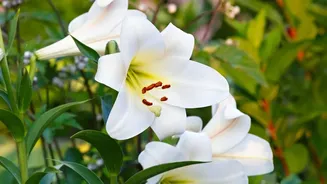
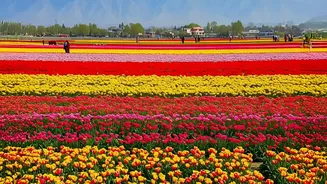
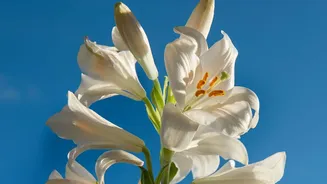
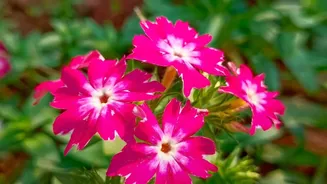
In a landmark development for the high-altitude desert, Choglamsar is now home to one of the world's highest flower fields. Inaugurated in September 2026, this ambitious floriculture project has transformed a vast expanse into a breathtaking sea of colour. Spread over nearly 23 acres, the park cultivates millions of high-value flowers, primarily Lilium and Gladiolus, creating a stunning visual contrast against the barren mountains. The initiative aims to provide new livelihood opportunities for local farmers and add a new dimension to Ladakh's tourism landscape. For visitors, the fields offer a unique and serene recreational space. A nominal entry fee allows access to this vibrant park, which also serves as a model centre for demonstrating high-altitude cultivation techniques. It's a testament to innovation in the region and an unmissable sight for any nature lover.
Stakna: The Tiger's Nose Monastery
About 25 kilometres from Leh, perched dramatically on a hill that resembles a tiger’s nose, is the Stakna Monastery. This 16th-century gompa offers a more tranquil and intimate experience compared to some of Ladakh's larger, more frequented monasteries. To reach it, visitors cross a narrow suspension bridge over the majestic Indus River, a small adventure in itself. Stakna is affiliated with the Drukpa lineage and holds a unique Bhutanese heritage, making it distinct among Ladakhi monasteries. Inside, the main assembly hall is decorated with stunning murals and thangkas (scroll paintings). The monastery houses about 30 resident monks and its most prized artefact is a sacred statue of Arya Avalokitesvara. The true highlight, however, is the panoramic view from the rooftop, which offers a sweeping vista of the Indus Valley's green fields and the surrounding snow-capped peaks.
Stakna's Emerging Green Landscape
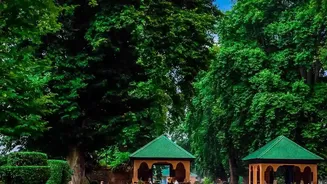
While the monastery is the historical heart of Stakna, the area is also part of the region's burgeoning floriculture story. A sister project to the Choglamsar fields is located at the University of Ladakh's campus in Stakna, establishing a second major site for flower cultivation. This initiative focuses on producing premium cut flowers for national markets, aiming to diversify the local economy. Though conceived as a commercial and scientific hub, the project contributes to the overall greening of the landscape. While the term 'Stakna Gardens' in the past may have referred to the lush greenery and farming plots along the Indus River visible from the monastery, it has now taken on a new, more formal meaning with the establishment of these extensive flower fields, transforming the area into another must-see destination for its sheer floral beauty.