






The All-Important Role of Texture
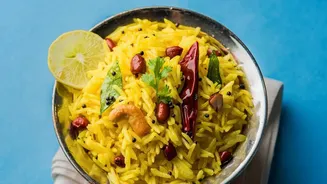
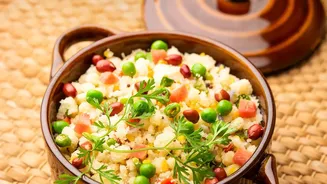
The primary reason for adding nuts to uppittu, also widely known as upma, is the delightful textural contrast. Semolina, when cooked correctly, yields a soft, fluffy, and almost melt-in-your-mouth consistency. While comforting, a single texture can become
monotonous. The introduction of roasted peanuts or cashews provides a firm, crunchy counterpoint that makes each bite more interesting. This isn't just a matter of opinion; it's rooted in sensory science. The human brain is wired to enjoy variety in food, and the combination of soft and crunchy is a classic pairing that signals freshness and enhances satisfaction. The sound and feel of the crunch engage multiple senses, making the eating experience more dynamic and enjoyable.
A Boost of Flavour and Aroma
Beyond the bite, peanuts and cashews are crucial flavour agents. When fried in ghee or oil during the tempering process (tadka), they don't just become crunchy; they release their rich, nutty aromas and flavours into the entire dish. Cashews offer a buttery, subtly sweet richness that lends an indulgent feel to the uppittu. Peanuts, on the other hand, provide a more robust, earthy flavour. This infusion of nutty goodness complements the savoury notes from the onions, ginger, and curry leaves, creating a more complex and well-rounded taste profile. The nuts absorb the flavours of the spices, and in turn, their toasty character permeates the semolina, ensuring the dish is anything but bland.
A Nod to Tradition and Region
The use of peanuts and cashews in uppittu is also steeped in regional culinary traditions across India. In states like Karnataka, where the dish is often called Khara Bath, peanuts are a very common and integral addition. In Maharashtrian-style poha and upma, peanuts are also frequently used to add crunch. Cashews, often being a more expensive nut, are traditionally seen as making the dish richer and are sometimes reserved for special occasions or featured in restaurant-style preparations to signify a more premium version. The choice between the two can be a matter of household preference, regional availability, or simply the desire for a more everyday meal versus a more festive one. Both, however, are considered essential elements in many authentic recipes.
The Wholesome Nutritional Punch
While taste and texture are paramount, the addition of nuts also significantly boosts the nutritional value of the breakfast. Semolina is primarily a source of carbohydrates. By adding a handful of peanuts or cashews, you are incorporating healthy fats, plant-based protein, and dietary fibre. This makes the meal more balanced and satiating, helping to keep you feeling full and energised for longer. Nuts like almonds and cashews are packed with minerals and vitamins. This simple addition transforms a simple carb-based breakfast into a more well-rounded and nutritious start to the day, supporting stable blood sugar levels and preventing mid-morning hunger pangs.