
Beyond the Beaten Path
Nestled in the Pir Panjal range, the Deo Tibba Base Camp trek is one of the most picturesque journeys in the Manali region. Unlike its famous neighbour, the Hampta Pass, Deo Tibba offers a different kind of reward. Instead of a high-altitude crossover,
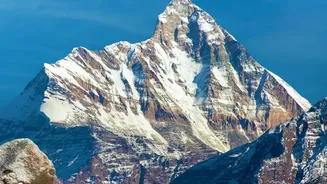
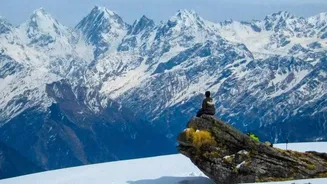
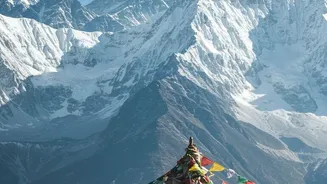
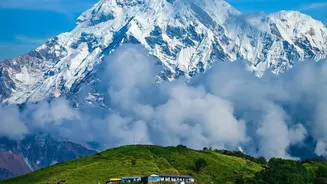
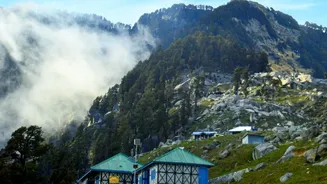
this trek is an immersive journey into a pristine valley, culminating at the foot of the magnificent 6,001-metre Deo Tibba peak, whose name translates to "Hill of the Gods." The trail begins near Jagatsukh village and winds through a classic Himalayan landscape of dense forests, gradually ascending towards a world of alpine grandeur. It’s an ideal choice for experienced trekkers looking to graduate from shorter routes to a more demanding, expedition-style adventure.
The Journey Through Meadows and Moraine
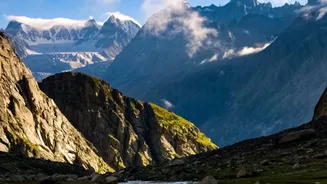
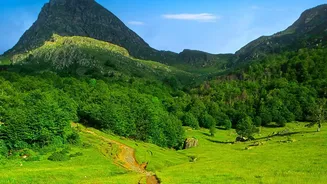
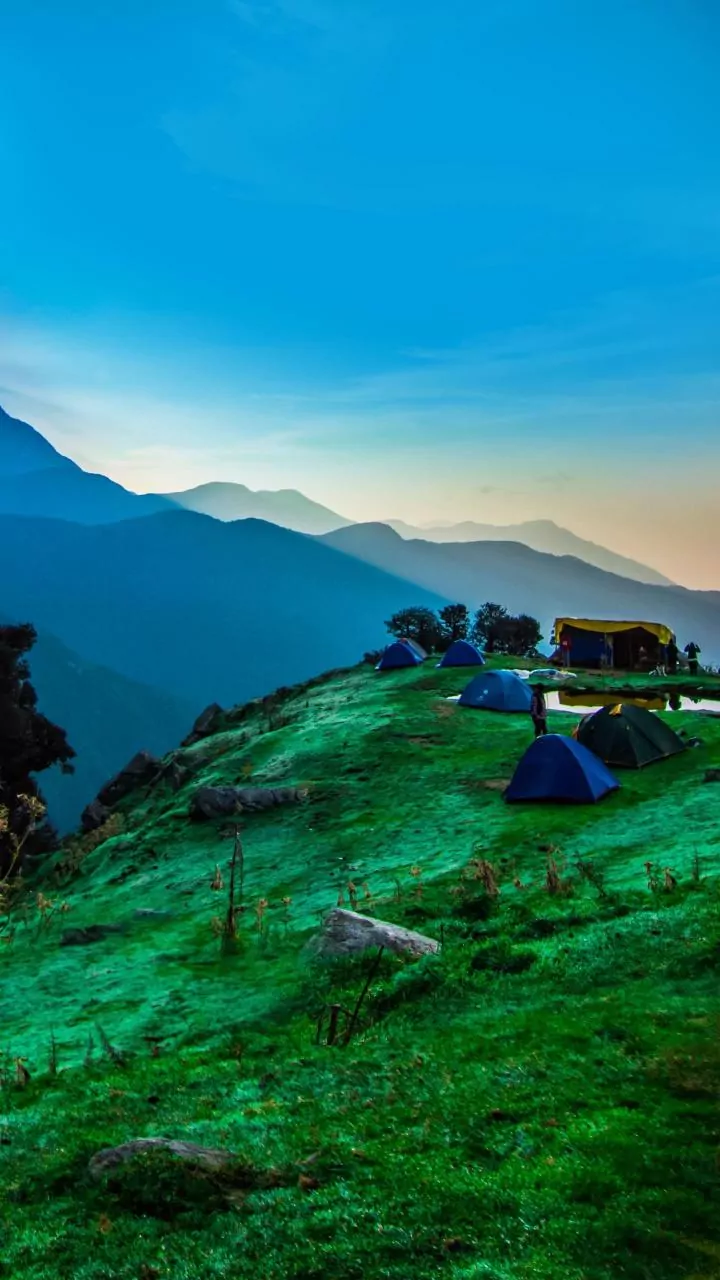
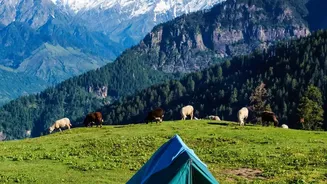
The trek's character truly reveals itself as you leave the tree line behind. The trail opens into Seri, a vast and stunningly beautiful meadow that was once a glacial lake. This expansive pasture, carpeted with wildflowers and crisscrossed by streams against the backdrop of waterfalls, is a defining feature of the journey. From Seri, the path continues its ascent, taking you from lush greenery to the rugged, rock-strewn terrain of a glacial moraine. This varied trail keeps the experience engaging, with each day offering a dramatic shift in scenery as you climb higher towards the base camp. The campsites, like Chikka and Seri, are scenic wonders in their own right, set amidst nature and offering peaceful nights in the mountains.
The Magic of Alpine Camps
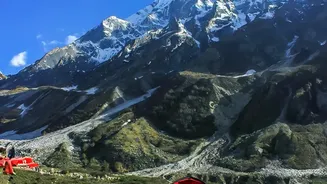
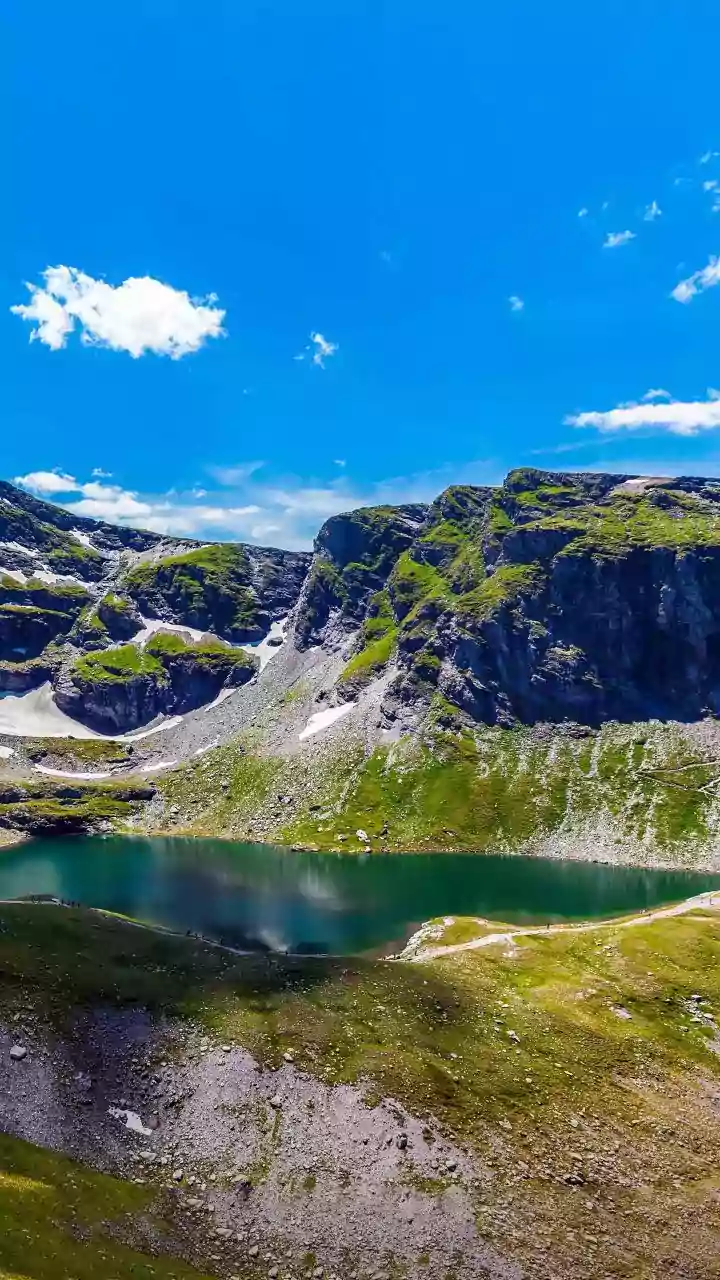
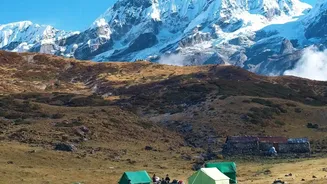
The high-altitude camps are where the Deo Tibba trek truly shines. The camp at Tainta, situated on the moraine, serves as the primary base for exploring the upper reaches of the valley. This campsite is located in a closed valley, offering a profound sense of solitude and a chance to acclimatize before the final push. From here, the ultimate scenic prize is the excursion to Mini Chandratal (or Chota Chandratal) at an altitude of around 4,480 metres. This emerald-blue high-altitude lake sits at the foot of Deo Tibba, offering breathtaking, crystal-clear reflections of the peak and its massive hanging glaciers. Spending time here, surrounded by the silent giants of the Himalayas, is the trek's crowning moment.
Deo Tibba vs. The Popular Treks
Many trekkers are familiar with the Hampta Pass trek, known for its dramatic crossover from the green Kullu valley to the arid landscapes of Lahaul. While Hampta Pass offers a fantastic journey of contrasts, the Deo Tibba trek provides a more focused and immersive high-altitude experience. The key difference lies in the objective: Hampta is about crossing over, while Deo Tibba is about going deep into a single, spectacular valley system. Trekkers who choose Deo Tibba are rewarded with fewer crowds, a greater sense of wilderness, and the unique beauty of Seri meadow and the pristine Chota Chandratal. It’s a route that feels less like a thoroughfare and more like a destination in itself.
Is This Trek Right for You?
The Deo Tibba Base Camp trek is rated as moderate to difficult. It doesn't require technical mountaineering skills, but it is a significant step up from beginner hikes. The journey typically takes about six days, involves sustained high-altitude walking, and requires a good level of physical fitness and endurance. Trekkers should be prepared for steep sections, rocky moraine fields, and the challenges of acclimatization. The best times to undertake this trek are during the summer months of May and June or post-monsoon in September and October, when the weather is generally favorable and the views are clear.