






A Pre-Dawn Spectacle
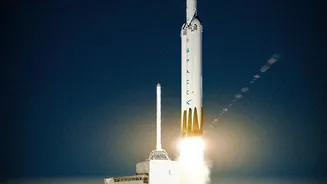
In the early hours of September 4, the Satish Dhawan Space Centre in Sriharikota lit up the night sky. At 2:55 AM, the 51.7-metre-tall GSLV-F17 rocket majestically lifted off from the second launch pad, embarking on its 19th mission. The three-stage rocket performed
flawlessly, and approximately 18 minutes after liftoff, it successfully injected the EOS-05 satellite into a sub-geosynchronous transfer orbit. The success was a moment of redemption and pride, especially following the loss of a similar mission, EOS-03, in 2021 due to a failure in the cryogenic upper stage. This launch not only worked but exceeded expectations, placing the satellite into a slightly higher orbit than planned, a positive outcome that saves the satellite's own fuel for its journey to its final destination.
The Workhorse: Understanding the GSLV
The Geosynchronous Satellite Launch Vehicle (GSLV) is one of ISRO’s most important rockets, designed specifically to place heavy satellites into high-altitude orbits. For years, the GSLV was nicknamed the "Naughty Boy" due to early developmental setbacks. However, recent successive successful flights have transformed it into a reliable workhorse. The GSLV-F17 mission carried the heaviest payload ever for a GSLV, the 2,367 kg EOS-05 satellite. Its success demonstrates the increasing capability and reliability of India's indigenous cryogenic upper stage, a complex technology that only a handful of nations have mastered. This powerful third stage is crucial for delivering payloads to the demanding geosynchronous orbits, which are about 36,000 km above the Earth.
The Eye in the Sky: What EOS-05 Will Do
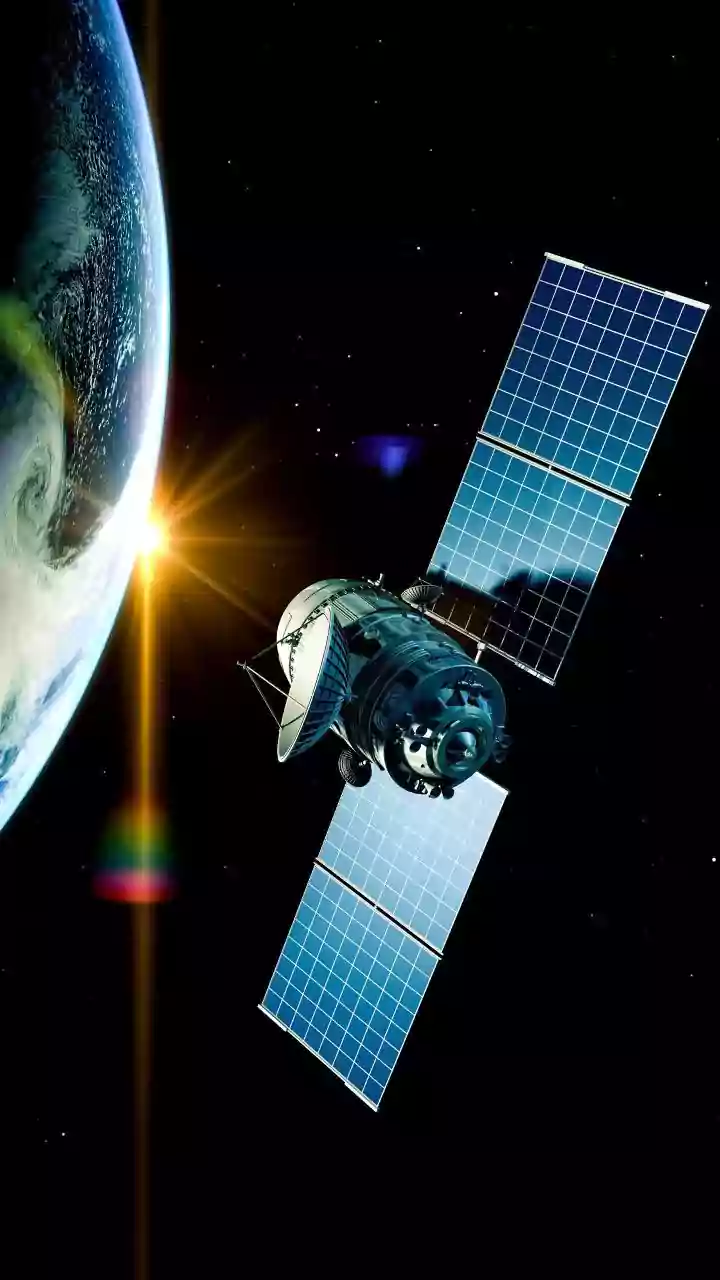
EOS-05 is a state-of-the-art Earth observation satellite, and it's India’s first imaging satellite designed to operate from a geosynchronous orbit. Unlike most earth observation satellites that orbit closer to Earth and pass over a location only periodically, EOS-05 will stay in sync with the Earth's rotation. This allows it to monitor the same large area continuously. From its vantage point, EOS-05 can image the entire Indian landmass roughly every 30 minutes, and focus on specific areas of interest for imaging every five minutes. Its applications are vast, ranging from near-real-time monitoring of natural disasters like floods and cyclones to providing crucial data for agriculture, forestry, and water resource management. It will also significantly enhance the country's strategic and border surveillance capabilities.
A Strategic Leap for India
The successful launch of EOS-05 is a major strategic victory for India. It places the nation in a select group of countries with the capability for continuous geostationary observation. This self-reliance in a critical space technology reduces dependence on foreign satellites for crucial data. The mission's success is a testament to the resilience and expertise of ISRO's scientists and engineers. More than just a technological achievement, EOS-05 is a national asset. The high-resolution, high-frequency data it provides will be invaluable for governance, economic planning, and national security. The precision of the GSLV-F17 launch also reinforces ISRO's credibility in the global commercial launch market, opening up new opportunities for partnerships and revenue.
What Comes Next for ISRO?
This successful launch marks a strong start for ISRO in the latter half of 2026, ending a seven-month gap between launches. According to ISRO Chairman V. Narayanan, the agency is gearing up for a packed schedule, with several more launches planned before the end of the year. Most anticipated among these is the first uncrewed test flight for the Gaganyaan mission, India's ambitious human spaceflight program. The confidence gained from the flawless performance of the GSLV-F17 provides a significant boost to these future missions, as ISRO continues to push the boundaries of space exploration and its applications for national development.