




Another Year, Another Worrying Low
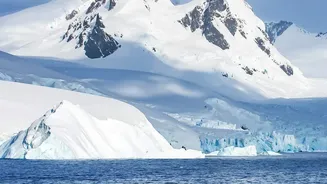
Every year, the sea ice surrounding Antarctica grows through the winter, reaching its maximum extent around late September before melting back during the summer. For 2026, scientists at the U.S. National Snow and Ice Data Center (NSIDC) confirmed the peak
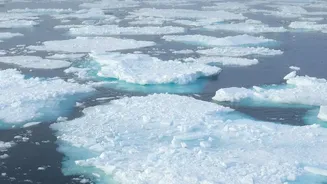
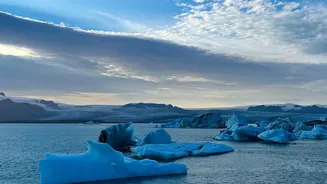
was reached on September 14. The ice covered 17.59 million square kilometres, about one million square kilometres less than the long-term average. To put that in perspective, the missing ice covers an area roughly twice the size of Spain. This marks the third-lowest winter maximum since satellite records began. More alarmingly, the four lowest winter peaks have all occurred in the last four years, a pattern that suggests a significant shift is underway.
Earth's Fading Sunscreen
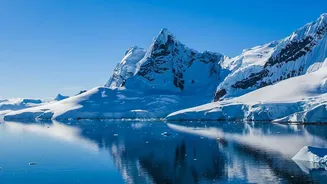
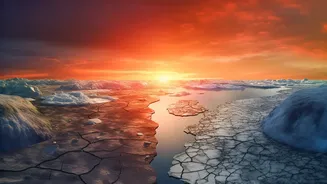
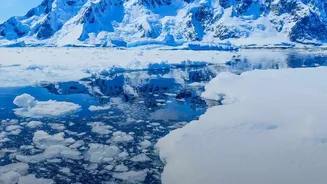
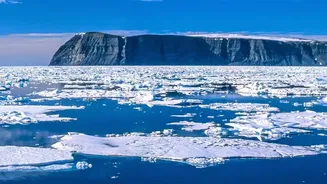
Antarctic sea ice acts as a giant, reflective shield for the planet. Its bright white surface reflects the sun's energy back into space, a phenomenon known as the albedo effect. This helps keep the Southern Ocean—and by extension, the world—cool. When there is less sea ice, the darker ocean water below is exposed. Instead of reflecting sunlight, this dark water absorbs it, heating the ocean. This creates a dangerous feedback loop: warmer oceans make it harder for ice to form, which leads to even more exposed ocean and more warming. This loss of reflectivity means the planet’s air conditioning system is becoming less effective.
Disrupting the Global Ocean Engine
The formation of sea ice is a critical driver of the world's ocean circulation system, often called the 'global conveyor belt'. When seawater freezes, it pushes salt out, making the water below it colder and denser. This dense, salty water sinks and flows away from the poles, driving a massive current that transports heat around the globe and regulates weather patterns. A disruption in this process can have far-reaching consequences, potentially altering storm tracks and even influencing climate systems as distant as the Indian monsoon.
A Warning for Our Coastlines
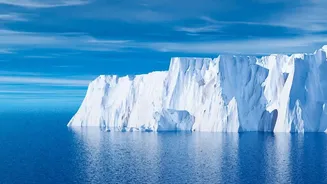
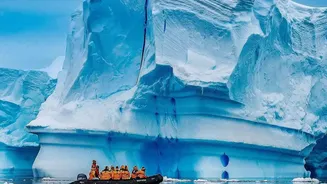
It's important to understand the difference between sea ice and ice sheets. Sea ice is frozen ocean water that is already floating. Its melting does not directly contribute to sea-level rise, just as a melting ice cube doesn't overflow a glass of water. However, the loss of sea ice is a grave warning for the continent's massive land-based ice sheets. The sea ice acts as a protective buffer, shielding the floating ice shelves that hold back Antarctica's enormous glaciers. Without that buffer, warmer ocean water and waves can batter these ice shelves, weakening them and accelerating the flow of land ice into the ocean. It is this melting land ice that causes global sea levels to rise, threatening coastal communities everywhere.
What This Means for India
While Antarctica may seem remote, its health is directly linked to India's future. The long-term melting of its land ice poses a significant threat of sea-level rise to India's densely populated coastline and major cities like Mumbai, Chennai, and Kolkata. Furthermore, disruptions to global ocean and atmospheric circulation can impact the stability and intensity of the monsoon, the lifeblood of India's agriculture and economy. Changes in the polar regions are not isolated events; they are part of a connected global system. The recurring low sea ice maximums are a clear signal that this system is under immense stress, with consequences that will be felt worldwide.