




The Rise of a Botanical Star
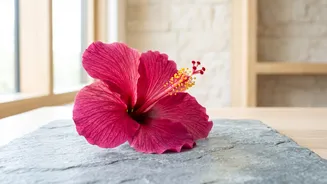
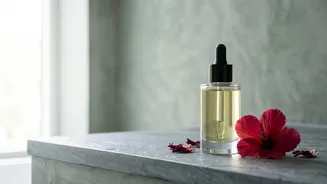
Walk down any skincare aisle, and you will see a growing trend: botanical ingredients are everywhere. The latest to capture the industry’s imagination is African Hibiscus, specifically from the Hibiscus sabdariffa plant, also known as Roselle. Native
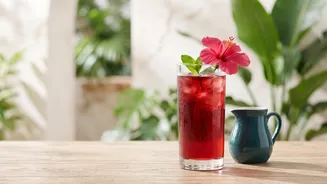
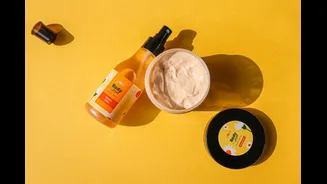
to Africa but now grown in tropical regions worldwide, including India, this plant has a long history in traditional foods and beverages. Its vibrant red flowers are not just beautiful; they are packed with compounds that have drawn the attention of cosmetic scientists. Brands are infusing it into serums, creams, and masks, marketing it as a potent, natural solution for a variety of skin concerns. The appeal is obvious, tapping into a consumer desire for plant-based solutions that feel both gentle and effective.
The Alluring 'Miracle' Promises
The marketing around African Hibiscus is nothing short of dazzling. It is frequently nicknamed the 'Botox plant', a powerful moniker that suggests a dramatic, needle-free alternative for smoothing wrinkles. The claims are extensive: marketers say it can firm and lift the skin, significantly reduce fine lines, even out skin tone, and provide intense hydration. The secret, they suggest, lies in its ability to inhibit the activity of elastase, an enzyme that breaks down our skin's natural elastin and leads to sagging. With promises of promoting cell turnover and fighting signs of ageing, hibiscus is positioned as a must-have for anyone seeking a youthful, radiant complexion. These claims paint a picture of a revolutionary ingredient that can transform skin health.
What the Science Actually Says
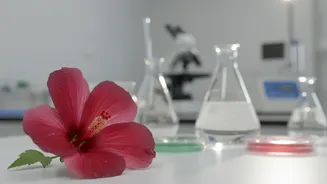
When we move from marketing to science, the picture becomes more nuanced. Hibiscus is genuinely rich in beneficial compounds. The deep red colour comes from anthocyanins, which are powerful antioxidants. Antioxidants help protect the skin from damage caused by environmental stressors like UV radiation and pollution, which are known contributors to premature ageing. Some lab studies show that hibiscus extract can help reduce inflammation and may inhibit enzymes that degrade collagen and elastin. The plant also contains natural organic acids, like citric and malic acid, which can offer mild exfoliation, helping to brighten the skin. However, most of these findings come from in-vitro (lab-based) studies. While promising, this is not the same as large-scale, double-blind clinical trials on human skin, which are the gold standard for proving efficacy. The evidence supports its role as a good antioxidant and mild exfoliant, but not as a miracle wrinkle eraser.
Hype vs. Reality: A Balanced View
So, is African Hibiscus a skincare game-changer or just another overhyped ingredient? The reality lies somewhere in the middle. It is certainly not a useless addition to a formula. Its antioxidant properties are valuable for skin defense, similar to other well-known botanicals like green tea or grapeseed extract. The mild exfoliating acids can contribute to a brighter complexion over time. The problem arises when these moderate benefits are exaggerated into 'Botox-like' results. No topical ingredient can replicate the muscle-freezing effect of a cosmetic injectable. While hibiscus can support skin health, it is unlikely to cause a dramatic reduction in deep-set wrinkles on its own. It's a supportive player, not the solo star it is often made out to be. Think of it as a helpful vitamin for your skin, not a magic potion.
So, Should You Invest in Hibiscus Skincare?
The final decision rests with what you're looking for. If you are searching for a product with good antioxidant protection and gentle brightening effects, a well-formulated serum or moisturiser containing hibiscus extract could be a lovely addition to your routine. It is generally considered safe for most skin types, though those with very sensitive skin or allergies to the mallow plant family should do a patch test first. However, if you are buying a product solely for its hibiscus content, hoping it will erase years of skin ageing, you will likely be disappointed. Instead of focusing on one trendy ingredient, it is wiser to look at the entire product formulation. A product with hibiscus, combined with other proven ingredients like Vitamin C, niacinamide, or retinoids, is likely to deliver far more noticeable and reliable results.