



The Silent Threat in Your Kitchen
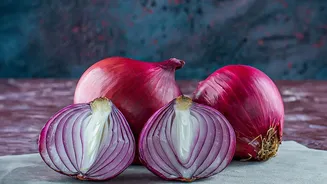
It’s a fact many pet owners don't realize: onions, and their relatives like garlic, leeks, chives, and shallots, are toxic to dogs and cats. This isn't just about a whole raw onion; all forms are dangerous, including cooked, dried, and powdered versions
often found in sauces, soups, and even some baby foods. The toxicity doesn't disappear with cooking. In fact, concentrated forms like onion powder are even more potent. The toxic compound is a substance called N-propyl disulfide, which poses a significant threat to your pet’s red blood cells. While all dogs and cats are susceptible, some Japanese breeds like Akitas and Shiba Inus are known to be particularly sensitive.
Why the Dangerous Delay?
The most unsettling aspect of onion toxicity is that the most severe symptoms don't show up right away. A pet might seem perfectly fine for a day or two after ingestion, lulling owners into a false sense of security. This is because the damage happens on a microscopic level over time. The toxic compounds in onions cause oxidative damage to red blood cells, the crucial carriers of oxygen in the blood. This damage leads to the formation of clumps called Heinz bodies, which makes the red blood cells fragile and marks them for destruction. The body begins to clear out these damaged cells, but it takes several days for the total number of healthy red blood cells to drop to a critically low level, a condition known as hemolytic anaemia. This gradual destruction is why the most alarming signs of anaemia, such as weakness and collapse, may not appear for two to five days after the onion was eaten.
Symptoms to Watch For
Because of the delay, it's vital to know both the early and late-stage symptoms. Initial signs, which can appear within a few hours, might be dismissed as a simple upset stomach and include vomiting, diarrhea, or a loss of appetite. However, the more serious signs of developing anaemia will follow days later. These are signs that the body is being starved of oxygen. Keep a close eye out for lethargy or unusual weakness; your pet may seem tired and unwilling to play. One of the most telling signs is pale gums, which may look pale pink or even white instead of their normal healthy pink. You might also notice a rapid heart rate or panting as their body struggles to compensate for the lack of oxygen. In severe cases, you may see dark, reddish-brown urine, which is a sign that red blood cells are being destroyed within the body.
How Much Is Too Much?
There is no truly safe amount of onion for a pet. Toxicity can occur after a single large ingestion or through repeated exposure to smaller amounts over time, such as from consistently feeding table scraps seasoned with onion powder. As a general guideline, toxic effects are consistently seen when a dog ingests more than 0.5% of its body weight in onions at once. For a 10-pound (approx. 4.5 kg) dog, that could be as little as one ounce of onion. Cats are even more sensitive to the effects. Given the risk and the fact that powdered and dried forms are highly concentrated, the safest policy is to prevent your pets from consuming any amount of onion or related plants.
What to Do If You Suspect Ingestion
If you know or even suspect your pet has eaten onion, it's crucial to act immediately, even if they seem fine. Do not wait for symptoms to appear. Contact your veterinarian, an emergency vet clinic, or a pet poison helpline right away for guidance. Be prepared to tell them your pet’s weight, the type of onion product they ate, and an estimate of how much they consumed. Do not try to induce vomiting unless specifically instructed to do so by a veterinary professional. Depending on the situation, a vet might induce vomiting, administer activated charcoal to absorb toxins, and provide supportive care like IV fluids. In severe cases of anaemia, oxygen therapy or even a blood transfusion may be necessary to save your pet's life.