



Leafy Green Vegetables
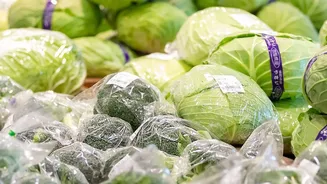
Spinach, coriander, fenugreek (methi), and lettuce are particularly vulnerable during the monsoon. Their delicate leaves can trap excess moisture, mud, and microbes, making them difficult to clean thoroughly and quick to rot. The high humidity prevents
them from drying properly, accelerating decay. To combat this, buy greens in smaller quantities more frequently. Before storing, inspect for and remove any wilted or slimy leaves. Avoid washing them until just before use. When you do store them, wrap the unwashed greens in a paper towel to absorb excess moisture and place them in a breathable bag or container in the refrigerator. This simple step helps maintain their crispness and prevents premature sliminess.
Tomatoes
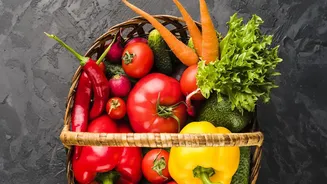
Tomatoes, with their thin skin and high moisture content, are prone to developing soft spots and mould in humid weather. The area around the stem is especially susceptible to rot. It is best to buy firm tomatoes and store them at room temperature, away from direct sunlight. Contrary to popular belief, refrigerating whole tomatoes can degrade their texture and flavour. Only place them in the fridge if they are fully ripe and you need to extend their life by a day or two. Also, keep tomatoes separate from ethylene-sensitive produce like cucumbers and leafy greens, as the gas they release can speed up spoilage in other vegetables.
Onions and Garlic
While considered hardy, the onion and garlic bulbs you rely on for flavour can turn against you during the monsoon. High humidity encourages them to absorb moisture from the air, which leads to sprouting, softening, and the growth of black mould. The key to their preservation is good air circulation. Store them in a cool, dark, and well-ventilated place, such as a mesh bag or a basket. Never store them in plastic bags, which trap moisture. It is also a common mistake to store onions and potatoes together; the gases they release cause each other to spoil faster. Keep them in separate, airy containers to ensure they remain firm and fresh.
Mushrooms
Mushrooms are fungi, and they thrive in damp conditions; however, when it comes to storage, excess moisture is their worst enemy. They act like sponges, absorbing water from the humid air, which causes them to become slimy and develop dark spots rapidly. The original plastic-wrapped punnet from the store is not ideal for long-term storage as it traps condensation. The best way to store mushrooms is to place them in a porous paper bag in the main compartment of your fridge. This allows them to breathe and lets excess moisture escape, keeping them firm and fresh for several days longer than they would last in plastic.
Berries and Grapes
Soft, thin-skinned fruits like berries (strawberries, blueberries) and grapes are highly susceptible to mould in the humid monsoon air. A single mouldy berry can quickly contaminate an entire container. Before purchasing, carefully inspect the package for any signs of mould or mushiness. At home, do not wash them until you are ready to eat them, as leftover moisture will accelerate spoilage. For best results, store them in a container lined with a paper towel, which helps absorb extra moisture. Arrange them in a single layer if possible to allow for air circulation and place the container in the refrigerator. Proper storage can make the difference between enjoying your fruit and discovering a fuzzy mess.