





A Story Told in Numbers
The growth story of Phu Quoc is backed by staggering statistics. In the first half of 2026, the island welcomed over 5.7 million visitors, a jump of more than 30% from the previous year. Even more telling is the influx of international tourists, which
surged by over 50% to exceed 1.3 million arrivals in the same period. This isn't just about footfall; it's about value. Tourism revenue for the first six months of 2026 reached nearly 1.2 billion USD, a 46% increase. This data follows a blockbuster 2025, where total tourism revenue soared past annual targets by more than 65%, demonstrating a clear trend of not just attracting more visitors, but also encouraging them to spend more.
Strategic Policy and Unprecedented Investment
A cornerstone of Phu Quoc's strategy is its unique visa-exemption policy. It is the only destination in Vietnam offering a 30-day visa-free stay to tourists of all nationalities, provided they enter and exit directly from the island. This policy significantly lowers the barrier to entry, making spontaneous trips easier and more attractive. This open-door approach is complemented by what one international business magazine called an "unprecedented" wave of investment in tourism infrastructure, with development happening at a pace rarely seen elsewhere. As the designated host for the 2027 APEC Economic Leaders' Week, Phu Quoc is fast-tracking dozens of key infrastructure projects, from expanding its international airport to building world-class convention centres and transport links.
Beyond Beaches: Diversifying the Experience
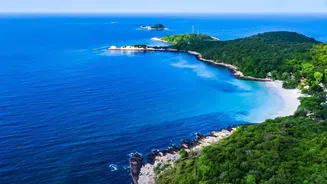
While pristine beaches remain a key draw, Phu Quoc is consciously moving beyond the 'sand and sea' model to capture a wider audience and increase on-island spending. The island now boasts a diverse ecosystem of attractions developed by major investors like Sun Group and Vingroup. These include VinWonders, Vietnam's largest theme park; Vinpearl Safari, a massive wildlife conservation park; and the Sun World Hon Thom mega-complex, accessible via the world's longest sea-crossing cable car system. Add to this the Italian-inspired Grand World Phu Quoc, the photogenic Kiss Bridge, and spectacular nightly multimedia shows, and the island transforms into a multifaceted entertainment hub designed to keep visitors engaged—and spending—for longer.
Targeting High-Value Global Travellers
The strategy is clearly focused on attracting a higher-spending international clientele. Direct flight routes now connect Phu Quoc with key markets like South Korea, China, India, and Thailand. This enhanced connectivity has paid dividends, with arrivals from markets like China and Russia showing triple-digit growth in the first half of 2025. The development of ultra-luxury resorts, including Vietnam's first overwater villas, is another clear signal of this upmarket pivot. By curating a portfolio of high-end accommodation and experiences, Phu Quoc is positioning itself not as a budget alternative, but as a direct competitor to established luxury destinations like Phuket and Bali.
Challenges of Rapid Growth
This rapid transformation is not without its challenges. Experts caution that the island must balance its explosive development with sustainability to avoid the pitfalls of over-tourism that have affected other regional hotspots. Managing the environmental impact of construction, controlling inflation, and ensuring that development benefits the local community are critical hurdles. To address this, local authorities are promoting a shift toward sustainable tourism, restoring historical sites, and launching initiatives like the "Every Phu Quoc resident is a tourism ambassador" campaign to ensure service quality keeps pace with infrastructure growth. This focus on sustainable and high-quality experiences will be crucial in maintaining the island's long-term appeal.