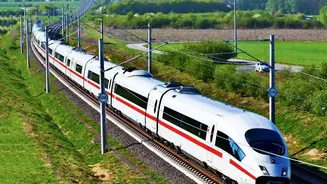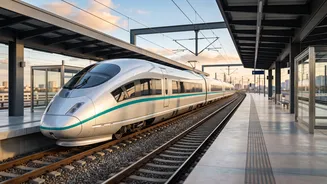




A Landmark Trial in Gujarat
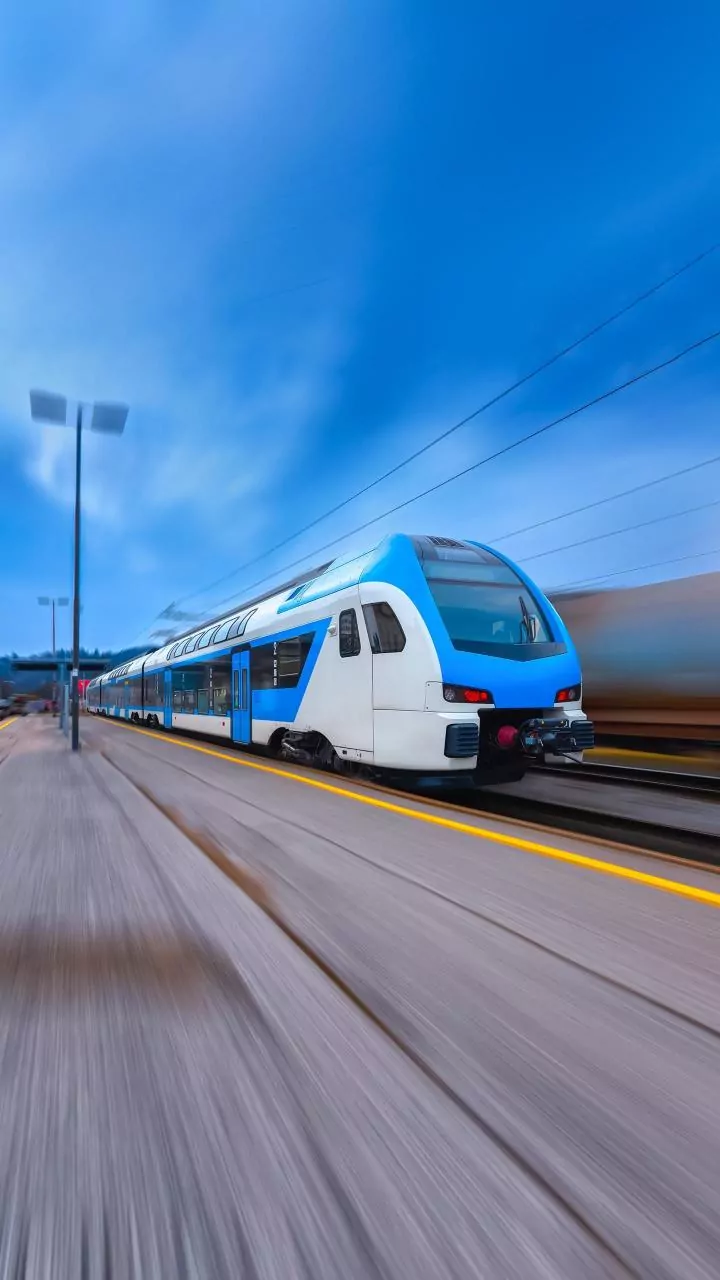
On September 27, 2026, the nation's first LNG-powered train began its inaugural journey from Sabarmati in Gujarat. This is not just any train; it's a Diesel Electric Multiple Unit (DEMU) train, specifically designed for short and medium-distance routes
on non-electrified tracks. Unlike conventional trains pulled by a separate locomotive, DEMUs have their power source integrated into one of the coaches, known as a Driving Power Car (DPC). For this trial, Indian Railways retrofitted two 1,400-horsepower DPCs to run on a dual-fuel system, blending LNG with diesel. The project has already undergone over 2,000 kilometres of rigorous field tests to ensure its reliability and performance before being put into service.
How Does a Dual-Fuel Train Work?
Think of this new system as a hybrid. The train’s engine is a modified internal-combustion engine that can run on both LNG and diesel. LNG, which is natural gas cooled to a liquid state at minus 162°C, is stored in a special 2,200-litre cryogenic tank fitted to the DPC. The technology allows the engine to substitute up to 40% of its diesel consumption with this cleaner-burning natural gas. This dual-fuel capability is crucial because it provides flexibility; the train can run on diesel alone if LNG isn't available, ensuring services are not disrupted. The primary goal is not to eliminate diesel entirely in this model but to significantly reduce its use without compromising the engine's power or performance.
The Push for a Greener Railway
The main driver behind this LNG trial is Indian Railways' ambitious goal to become a 'net zero' carbon emitter by 2030 and to phase out diesel consumption. Burning LNG is significantly cleaner than burning diesel. Official estimates from the trial suggest this technology will lead to a notable reduction in harmful emissions, including carbon dioxide (CO2), nitrogen oxides (NOx), and particulate matter. Beyond the environmental benefits, there is a strong economic case. By substituting a portion of expensive, often imported, diesel with LNG, Indian Railways anticipates significant cost savings. Early estimates suggest savings of around ₹23.9 lakh per year for an eight-coach train.
Why This is a Trial, Not a Revolution
If LNG is cleaner and cheaper, why not switch the entire network over? The reality is that scaling this technology presents immense challenges. The primary mission of Indian Railways remains the full electrification of its broad-gauge network, a goal that is already nearing completion. This LNG trial is specifically targeted at routes where electrification is not yet complete or may not be economically viable, such as low-traffic branch lines where DEMUs often operate. Furthermore, creating a nationwide infrastructure for LNG—including production, transportation, and cryogenic refuelling stations at depots across the country—would require a massive investment and logistical overhaul. Safety protocols for handling cryogenic fuel would also need to be standardized and implemented network-wide.
The Future Is a Mix of Technologies
The LNG train should be seen as one part of a broader, multi-pronged strategy to green the railways. It complements other major initiatives, including the massive push for electrification and the recent introduction of India's first hydrogen-powered train in July 2026. While the hydrogen train represents a more radical, zero-emission technology based on fuel cells, the LNG train is an adaptive, transitional solution that works with existing engine architecture. Each technology has its place. Electrification is for high-density corridors, while hydrogen and LNG are promising alternatives for specific, hard-to-electrify sections of the vast network. This trial provides Indian Railways with valuable data and operational experience as it charts a practical course toward a sustainable future.