




Bhoger Khichuri
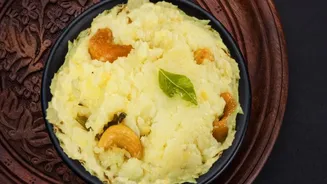
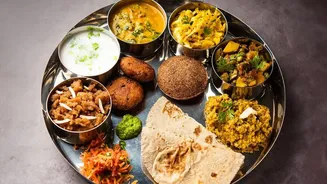
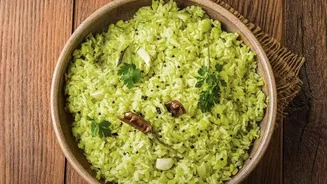
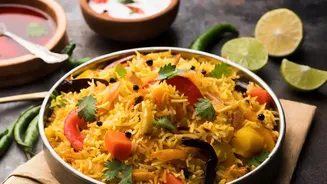
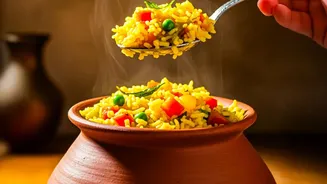
For many, the quintessential taste of Durga Puja is Bhoger Khichuri. This isn't just any rice and lentil dish; it's a sacred offering, or 'bhog', served to the goddess before being distributed to devotees. Made with roasted moong dal, gobindobhog rice,
and a medley of vegetables like cauliflower and peas, this dish is cooked without onion or garlic. Its comforting, aromatic flavour comes from ginger, ghee, and a blend of gentle spices. Often served in community lunches at pandals, this one-pot meal is typically accompanied by a mixed vegetable dish called 'labra' and fried items like 'beguni' (brinjal fritters). Enjoying a plate of khichuri, often while sitting with hundreds of fellow revellers, is a core community experience of the festival.
Luchi and Aloor Dom
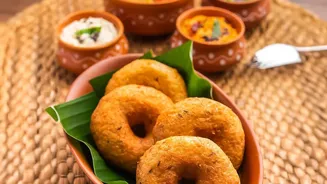
A festive Bengali meal is often incomplete without Luchi. These soft, fluffy, deep-fried breads are made from refined flour (maida) and puff up into golden-white orbs. While they pair beautifully with many dishes, the classic combination during Durga Puja is with Aloor Dom, a slow-cooked potato curry. The potatoes are simmered in a rich, spiced gravy, which can range from mildly tangy to fiery hot depending on the recipe. Another popular partner for luchi is Cholar Dal, a slightly sweet lentil curry made with Bengal gram, often studded with coconut pieces and raisins. This combination is a breakfast staple during the festive days but is equally popular as a satisfying snack while pandal-hopping late into the night.
Kosha Mangsho
While vegetarian bhog is central to the daytime rituals, evenings are often a carnivore's delight. Kosha Mangsho, a slow-cooked spicy mutton curry, is a celebrated non-vegetarian delicacy. The 'kosha' technique involves sautéing the mutton with spices over a low flame for a long time until the oil separates, resulting in a dark, rich, and intensely flavourful gravy that clings to the tender meat. Its robust flavours, derived from a blend of aromatic spices, onions, garlic, and sometimes yogurt, make it a dish reserved for special occasions. During Puja, it is most famously paired with freshly made luchi or basanti pulao (a sweet, fragrant yellow rice). Finding a restaurant serving a legendary Kosha Mangsho is a common mission for many during the festive nights.
Kolkata Kathi Roll
No Durga Puja experience, especially in Kolkata, is complete without indulging in street food, and the undisputed king is the Kathi Roll. Perfect for eating on the go between pandal visits, these rolls are a cornerstone of the city's culinary identity. A flaky paratha is wrapped around a delicious filling, which can be anything from spiced chicken or mutton chunks to paneer or a simple fried egg. The roll is then garnished with sliced onions, tangy sauces, and a squeeze of lime. What started as a simple skewer-roasted kebab in a wrap has evolved into a full-fledged meal that fuels the city's festive energy, with stalls open late into the night to cater to hungry pandal-hoppers.
Mishti Doi and Sandesh
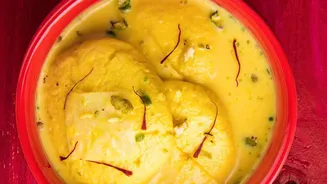
A Bengali celebration must end on a sweet note, and during Durga Puja, the options are endless. Two icons stand out: Mishti Doi and Sandesh. Mishti Doi, or sweet yogurt, is a traditional dessert made by sweetening and thickening milk before allowing it to ferment. It's often caramelised to give it its signature brownish colour and is served chilled in earthen pots, which help absorb excess water, making it thick and creamy. Sandesh, on the other hand, is a more delicate sweet made from fresh cottage cheese (chhena). It comes in countless varieties, from the simple 'makha' sandesh (mashed with sugar) to the complex 'nolen gurer' sandesh made with date palm jaggery. These sweets are not just desserts; they are offerings to the goddess and tokens of celebration shared among family and friends.