







A Formal Pact for Promotion
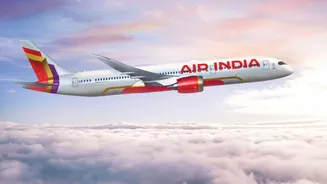
Air India and India's Ministry of Tourism have signed a Memorandum of Understanding (MoU) to formally collaborate on promoting India as a premier global destination. This agreement marks the first time a global airline has partnered directly with the ministry
in such a capacity. The deal establishes a framework for a wide range of coordinated initiatives, from joint marketing campaigns to destination storytelling and enhancing the overall visitor experience. By combining the airline's expanding global network with the government's flagship 'Incredible India' campaign, the partnership aims to significantly boost inbound tourism and elevate India's visibility on the world stage.
Beyond the Billboard: A New Strategy
The core of this new strategy is to move tourism promotion from passive advertising to active, integrated communication. Instead of relying solely on ad campaigns, Air India will now leverage its many passenger touchpoints to showcase the country's attractions. This includes co-branded marketing across digital and social media, inflight branding, and content featured on the in-flight entertainment systems. The 'Incredible India' branding may soon be a familiar sight across many of Air India's services, turning every flight into a potential discovery channel for Indian tourism.
The Flying Ambassador
Under the ownership of the Tata Group, Air India is being repositioned as a proud ambassador for a 'new India.' Nipun Aggarwal, the airline's Chief Commercial Officer, stated that Air India has a unique responsibility to showcase the country to the world. This partnership is a key part of that mission. As the carrier expands its fleet and network across five continents, its aircraft, crew, and digital platforms will serve as powerful channels for sharing the 'Incredible India' story with millions of travellers worldwide. The plan involves close collaboration with State Tourism Boards to highlight diverse destinations across the entire country.
What This Means for Passengers
For passengers, this partnership promises a more immersive and content-rich travel experience. Beyond destination-focused content on their seatback screens, the collaboration aims to develop tangible benefits. One of the most interesting aspects is the plan to promote transit and stopover tourism, a model successfully used by Gulf carriers for years. The airline and ministry will explore developing stopover programs to encourage international passengers connecting through Delhi and Mumbai to spend time exploring India. There are also plans to integrate tourism benefits with the Maharaja Club loyalty program, potentially offering members special access to heritage sites, museums, and other cultural experiences.
A Strategic Pivot for Growth
This collaboration is more than a marketing exercise; it's a strategic alignment of national and corporate goals. For India, which has long aimed to increase its share of global tourism, it provides a powerful, mobile platform to reach international audiences. For Air India, it's a way to differentiate itself from competitors, build a unique brand identity rooted in its national heritage, and strengthen its role as a key aviation hub. By engaging tour operators and travel partners in key markets through roadshows and familiarisation trips, the partnership seeks to build a robust ecosystem for inbound travel. While the success will depend on execution, this joined-up thinking between aviation and tourism represents a significant step forward.