


First, Understand Your Light
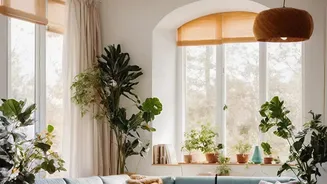
Before choosing a plant, you need to become an expert on the light in your home. The direction your windows face is the single biggest factor in determining what kind of light a plant will receive. You can easily find this by using the compass app on your phone.
A plant's needs are based on its native habitat; some evolved in shady undergrowth, while others grew in open, sunny deserts. Trying to force a sun-loving plant to live in a dark corner is a recipe for failure. North-facing windows offer the gentlest, most consistent indirect light, making them low-light environments. East-facing windows get soft, direct morning sun. South-facing windows provide the most intense, all-day sun, which is perfect for plants that need high light. West-facing windows receive strong, hot afternoon sun that can be harsh for many plants but ideal for others.
Matching Plants to Window Direction
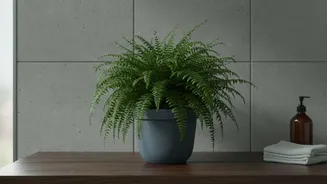
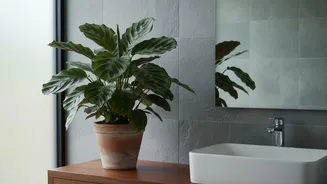
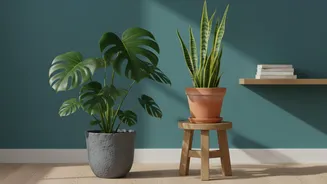
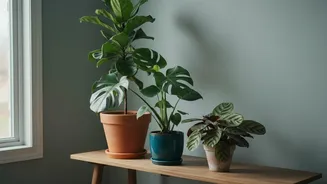
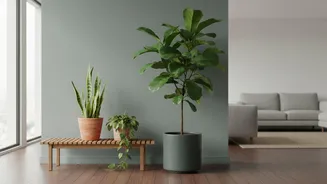
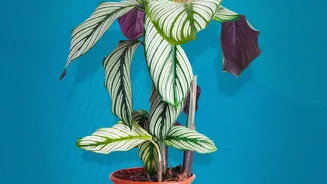
For low-light, north-facing windows, choose plants that can thrive without direct sun. Think ZZ plants, snake plants, pothos, and peace lilies. These are famously resilient and can tolerate lower light levels. For the gentle morning sun of an east-facing window, you have more options. This light is great for many popular houseplants like ferns, calatheas (prayer plants), and Phalaenopsis orchids, which enjoy bright but not scorching light. South-facing windows are reserved for true sun worshippers. Cacti, succulents like aloe vera and echeveria, and ponytail palms will thrive in this bright environment. Just be aware that this intensity means they will also dry out faster. Finally, for the strong afternoon sun of a west-facing window, pick tough, heat-tolerant plants. Crotons, with their colourful leaves, need the strong light to maintain their vibrancy, while jade plants and other succulents also do well here.
Now, Consider Room Humidity
Light is only half the equation. The other crucial element is humidity, which is the amount of water vapour in the air. Many of our favorite houseplants are tropical in origin and are accustomed to very humid environments. Most homes, especially those with central heating or air conditioning, have relatively dry air. An average home might have humidity between 40-60%, which is suitable for many plants, but tropical species often prefer much more. Plants with thin or delicate leaves, or those with large leaf surfaces like Monsteras and many ferns, are often clues that they enjoy higher humidity. On the other hand, succulents and cacti, which store water in their leaves, are adapted to dry conditions and are more susceptible to rot in overly humid environments.
How to Assess and Adjust Humidity
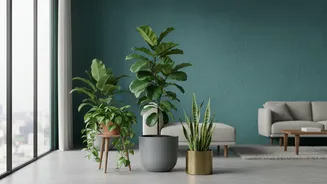
You don't need to be a scientist to figure out your home's humidity. A simple digital tool called a hygrometer can give you an accurate reading. You can place it near where you plan to put your plants to get a sense of the environment. If you have a room that is naturally more humid, like a bathroom or kitchen, that's a perfect spot for humidity-loving plants like ferns, calatheas, and orchids. These plants will thrive with the extra moisture in the air. For drier rooms, you can either choose plants that are tolerant of low humidity, such as snake plants, ZZ plants, and most cacti, or you can take steps to increase it. Grouping plants together creates a small, humid microclimate as they release moisture through transpiration. You can also place plants on pebble trays filled with water or use a room humidifier to boost the moisture in the air.