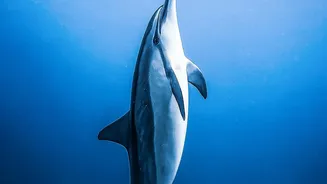








Meet India’s Diverse Dolphins
India is one of the few places in the world blessed with both freshwater and marine dolphins. The most famous is the endangered Ganges River Dolphin, our National Aquatic Animal. Often called 'Susu' for the sound it makes when it breathes, this unique
creature is effectively blind and navigates the murky waters of the Ganga and Brahmaputra river systems using echolocation. Another important freshwater species is the Irrawaddy dolphin, found in the brackish waters of Chilika Lake in Odisha, which holds the largest single population of this species in the world. Along India's extensive coastline, from Goa to the Andaman Islands, one can find several marine species, including the playful Spinner dolphins, Bottlenose dolphins, and the endangered Indian Ocean Humpback dolphin. Each species is a vital part of its ecosystem, acting as an indicator of the health of the water body it inhabits.
The Problem with Overzealous Tourism
The desire to see these magnificent animals has fuelled a booming dolphin-watching industry. However, when unregulated, it poses a significant threat. In popular tourist spots like Goa, studies have shown that the constant buzz of motorboats causes immense stress to dolphins. Operators, sometimes pressured by a 'no dolphin, no pay' policy, may chase the animals, circle them, or cut across their path at high speeds. This disruptive behaviour forces dolphins to spend more energy avoiding boats, leaving them with less time to feed, socialize, care for their young, or rest. The underwater noise from boat engines can also interfere with their sensitive echolocation, which is crucial for navigation and hunting. In the worst cases, this can lead to injuries from propellers and a decline in local populations.
A Guide to Responsible Dolphin Watching
True appreciation for wildlife means ensuring our presence doesn't harm it. As a tourist, your choices have power. The first step is to choose tour operators who are trained in and committed to ethical practices. Organizations like Terra Conscious in Goa are pioneering such trips, working with local fishermen to create sustainable livelihoods. Key guidelines for responsible viewing include maintaining a safe distance—at least 50 to 100 metres—and never chasing or cornering the animals. Boats should approach dolphins from the side, moving parallel to their direction of travel at a slow speed, and should not crowd them; if more than two or three boats are present, it's better to wait. Switching off the engine when near a pod reduces noise and disturbance. These simple acts of respect ensure the dolphins can continue their natural behaviours undisturbed.
Where Your Choice Matters
Several initiatives across the country are promoting a better way to see dolphins. In Odisha, the Chilika Development Authority helps manage boat trips to see the Irrawaddy dolphins near Satapada, balancing tourism with conservation. Along the Ganges, the government has launched 'Dolphin Jalaj Safari' at sites in Uttar Pradesh, Bihar, and West Bengal, involving local communities as 'Ganga Praharis' (Ganga Guardians) to guide tourists. This not only provides a livelihood but also turns local communities into staunch protectors of the dolphins. In Goa, while challenges with unregulated boats remain, conscious operators are demonstrating that ethical tours are not only possible but also more rewarding for both tourists and the local economy. By supporting these ventures, you are casting a vote for a tourism model that respects and preserves India's aquatic treasures.