



An 18-Year Absence
For many, the story begins with a long and frustrating absence. In 1989, the United States banned the import of Indian mangoes. This wasn't a political decision, but a scientific one. The US Department of Agriculture (USDA) was concerned about invasive
pests, particularly fruit flies and weevils, that could potentially hitch a ride on the mangoes and devastate American agricultural crops. For nearly two decades, this ban meant that the coveted Alphonso, Kesar, and other legendary Indian varieties were unavailable to American consumers, save for the memories held by the Indian diaspora. While India is the world's largest producer of mangoes, with over a thousand varieties, it was effectively shut out of the lucrative American market due to these legitimate phytosanitary concerns.
A Presidential Taste Test
The diplomatic logjam began to break in the mid-2000s. The turning point is often traced to a visit by US President George W. Bush to India in March 2006. As the story goes, upon tasting an Alphonso mango, he turned to then-Prime Minister Manmohan Singh and declared it "a hell of a fruit." This presidential seal of approval provided the political momentum needed to resolve the long-standing issue. The incident captured headlines and transformed the mango from a simple agricultural good into a potent symbol of the strengthening India-US relationship. It set the stage for intense negotiations aimed at finally bringing the 'King of Fruits' to America.
The 'Mango-Harley' Deal
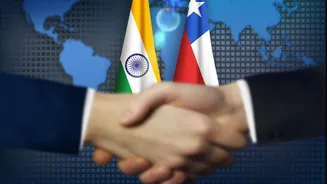
The breakthrough that followed was a classic piece of trade diplomacy. In exchange for the US opening its market to Indian mangoes, India agreed to ease import rules for Harley-Davidson motorcycles. This informal swap, widely dubbed the 'Mango-Harley' deal, became a win-win framework. To address the pest concerns, a scientific solution was agreed upon: all US-bound mangoes would have to undergo irradiation treatment at a certified facility in India under the supervision of a USDA inspector. This process effectively sterilizes any potential pests without harming the fruit. With the technical and political hurdles cleared, the ban was officially lifted.
The King of Fruits Arrives
In April 2007, the first commercial shipment of Indian mangoes in 18 years landed at JFK International Airport in New York. It was a moment of triumph and celebration. News outlets covered the arrival, calling it one of the year's most eagerly anticipated fruit deliveries. For Indian-Americans, it was a taste of home that had been missing for a generation. For Indian exporters, it was the opening of a massive new market. The initial shipments included early-season varieties like Alphonso and Kesar, with others like Dasheri and Langra to follow. The successful initiative demonstrated a new level of trust and cooperation between the two countries.
A Sweet but Sensitive Partnership
The mango trade is not without its sensitivities. The entire operation relies on the physical presence of USDA inspectors in India to oversee the irradiation process. This became a major issue during the COVID-19 pandemic, when travel restrictions halted inspector visits and, consequently, mango exports to the US for two years starting in 2020. Trade resumed in 2022, but the incident served as a reminder of the fragility of global supply chains. Despite this, the demand for Indian mangoes in the US continues to surge, with reports of shipments selling out in hours and new promotional efforts by Indian consulates to introduce more varieties to American consumers. This 'mango diplomacy' continues to be a sweet and enduring symbol of the people-to-people ties between the two nations.